U-Shaped vs Telescopic Paper Straws: Which Fits a Compact Carton?
Choose a U-shaped format when a bent, one-piece straw can fit the available panel and provide the required reach after opening. Choose a telescopic format when a two-section design is needed to obtain longer final reach from a short packed unit. The correct choice depends on carton space, user handling and sample behavior.
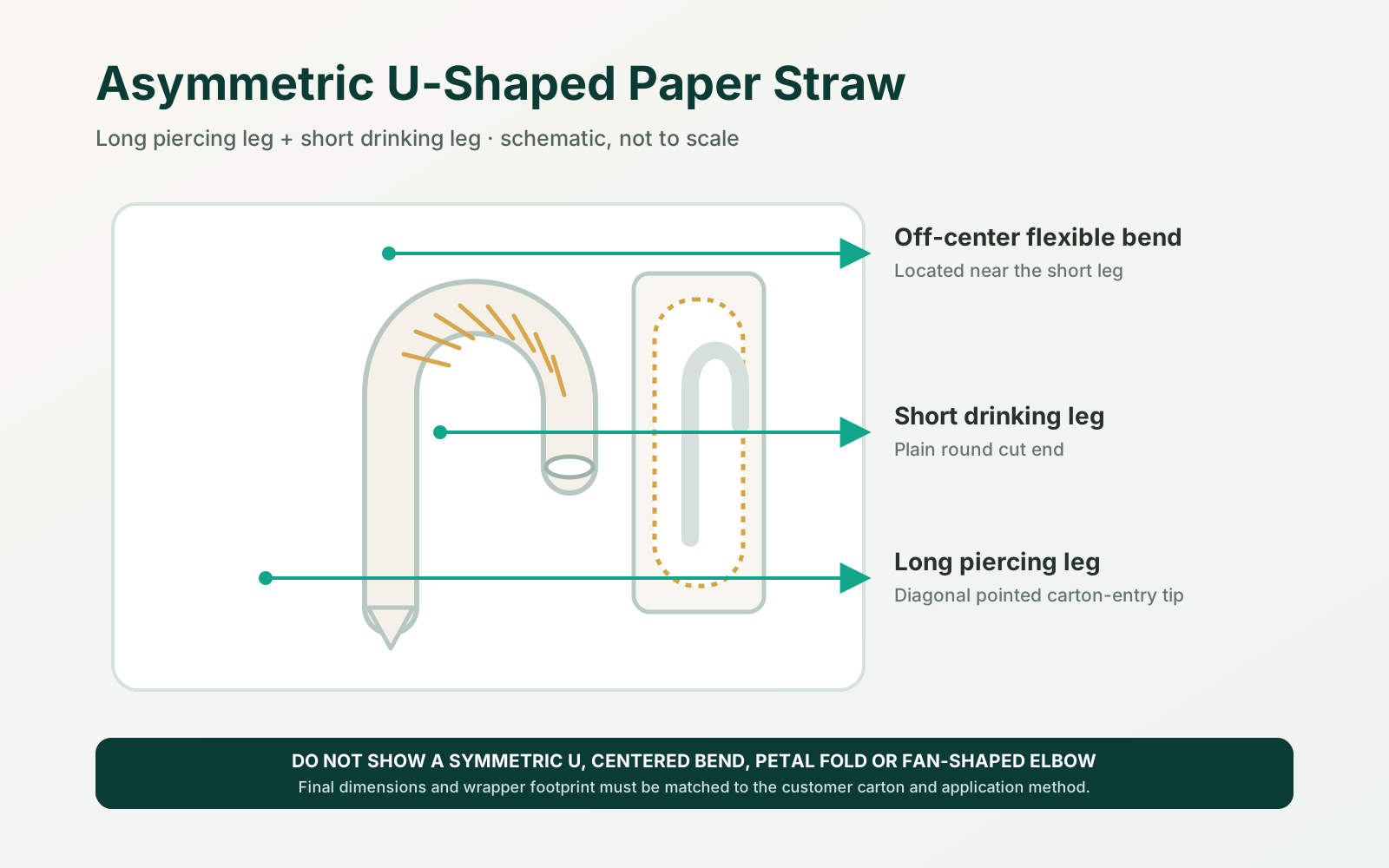
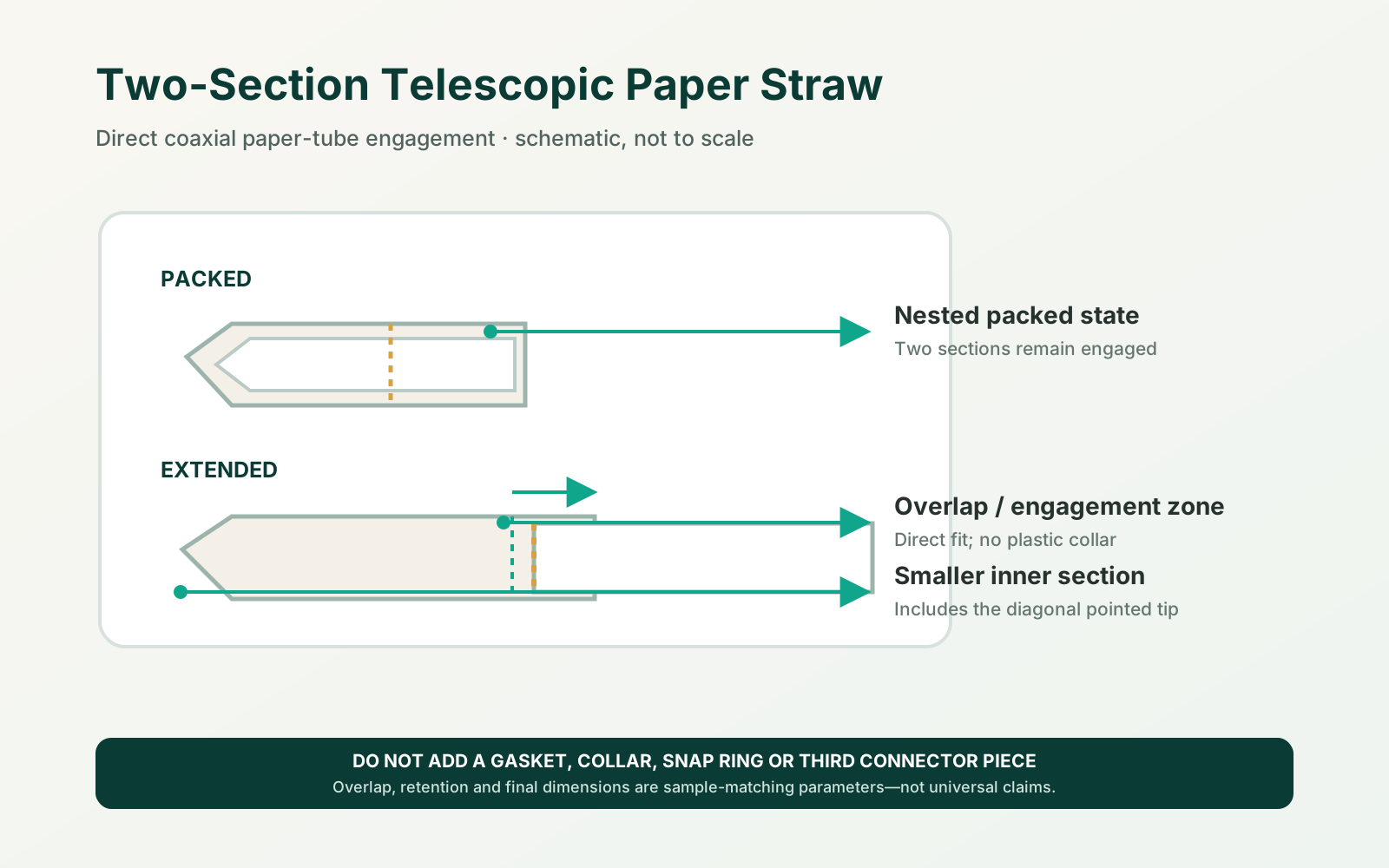
Both formats reduce the length of the packaged unit relative to the final drinking configuration, but they do so differently. A U-shaped straw uses a bend. A telescopic straw uses nested tube sections. That structural difference changes the dimensions, wrapper design, handling checks and approval questions.
This comparison is intended for early format selection. It does not replace testing with the selected carton and beverage.
How Does Each Format Reduce Packed Length?
A U-shaped straw changes geometry by bending one straw; a telescopic straw changes geometry by nesting two sections. This determines which measurements and mechanical behaviors must be reviewed.
For a U-shaped product, distinguish between:
- Packed height and width
- Bend radius or packed bend geometry
- Overall straw length when opened or straightened
- Tip orientation
- Wrapper envelope
For a telescopic product, distinguish between:
- Packed length
- Extended drinking length
- Inner and outer tube dimensions
- Engagement or overlap condition
- Wrapper envelope
Avoid using a single label such as “length” in drawings, samples or quotations. It can refer to two different states and create preventable approval errors.
Which Format Provides the Required Drinking Reach?
Either format may provide the required reach, depending on the selected dimensions. First define the distance the user must reach from the carton attachment area to the drinking opening, then compare it with the product in its usable state.
Do not compare only catalogue descriptions. Use the same carton reference for both candidates and record:
- Maximum packed envelope
- Attachment position and orientation
- Opening position
- Required usable reach
- How the consumer opens, straightens or extends the product
- Whether the resulting handling is acceptable for the intended user group
If the carton is for children or another specific user group, the buyer should define relevant usability expectations rather than assuming that a compact product is automatically easy to operate.
What Is the Practical Difference in User Handling?
A U-shaped straw is opened and straightened; a telescopic straw is opened and extended. Sample approval should observe the complete user sequence, including whether the product remains suitable after that action.
For a U-shaped sample, observe:
- Whether the wrapper opens as intended
- Whether the straw can be removed without visible damage
- How the bend opens or recovers
- Whether the final shape and reach are suitable
- Whether the selected tip and opening work together in the applicable trial
For a telescopic sample, observe:
- Whether the wrapper opens as intended
- Whether the two sections extend with suitable handling
- Whether the sections retain engagement
- Whether extension stops or retention behavior are suitable for the selected design
- Whether the final reach remains suitable during the applicable use check
These observations should be described in a project-specific approval method. Avoid assigning universal numeric limits unless a validated specification supports them.
How Do Bend Recovery and Tube Engagement Differ?
Bend recovery concerns the behavior of the folded area after a U-shaped straw is opened. Tube engagement concerns the fit and retention between the two sections of a telescopic straw. They are not interchangeable quality checks.
| Decision point | U-shaped | Telescopic | Buyer action |
|---|---|---|---|
| Key geometry | Packed bend and opened length | Packed length, extended length and overlap | Define both packed and usable states |
| Main handling check | Opening and bend recovery | Extension, engagement and retention | Review the complete user sequence |
| Format-specific risk to review | Visible bend damage or unsuitable recovery | Separation, unsuitable extension force or loss of retention | Agree sample observations before approval |
| Reference item | Approved bent sample | Approved extended sample | Keep identified physical samples |
The wording on a quality page should explain the purpose of each check without implying a test result for every product. For example: “Bend recovery is reviewed against the approved sample” is safer and more precise than “perfect bend recovery.”
What Should Buyers Check in the Wrapper?
The wrapper must contain the selected packed geometry while leaving suitable seal areas and a usable opening direction. Artwork and orientation should be approved on the actual wrapped sample.
For both formats, review overall width and length, material, seals, product orientation, opening behavior, print direction and visible condition. Then add format-specific questions.
For U-shaped products:
- Does the wrapper hold the bend without undesirable compression?
- Is the tip orientation clear and consistent with the carton placement?
- Can the user open and remove the product without damaging the bend?
For telescopic products:
- Does the wrapper protect both sections in the intended packed position?
- Is the orientation consistent with attachment and user opening?
- Can the product be removed without unintended extension or separation?
Printed claims and symbols on the wrapper should be checked by the responsible buyer team for the destination market. The supplier should retain the exact approved artwork version used for the order.
What Should Be Tested before a Bulk Order?
Approve the exact product, wrapper, carton relationship and intended-use behavior before relying on a commercial order. A generic stock sample can narrow the choice, but the project sample should control the final decision.
Use the following approval sequence:
- Review the carton drawing and required packed envelope.
- Select one or more starting formats.
- Confirm target dimensions and wrapper requirements.
- Obtain identified samples.
- Compare packed fit and attachment position on the actual carton.
- Perform format-specific handling observations.
- Perform the agreed beverage and opening evaluation.
- Confirm artwork, packing and applicable documents.
- Record the approved configuration and any open conditions.
The evaluation should reflect the actual beverage and intended conditions when these materially affect use. Any test method, duration or acceptance criterion stated publicly must come from a current, controlled source.
Which Format Is Better?
Neither format is universally better. U-shaped is generally the simpler structural route when its bend and opened reach suit the carton; telescopic is considered when a short pack must create longer usable reach through two sections.
Choose the format with the clearest path to approval for the real project. If both formats fit, compare user handling, wrapper, product complexity, production requirements and current commercial terms. Keep claims tied to the approved configuration, because changing dimensions or materials can change the result.
Featured Carton Paper Straw Formats
Matched Formats for Beverage Cartons
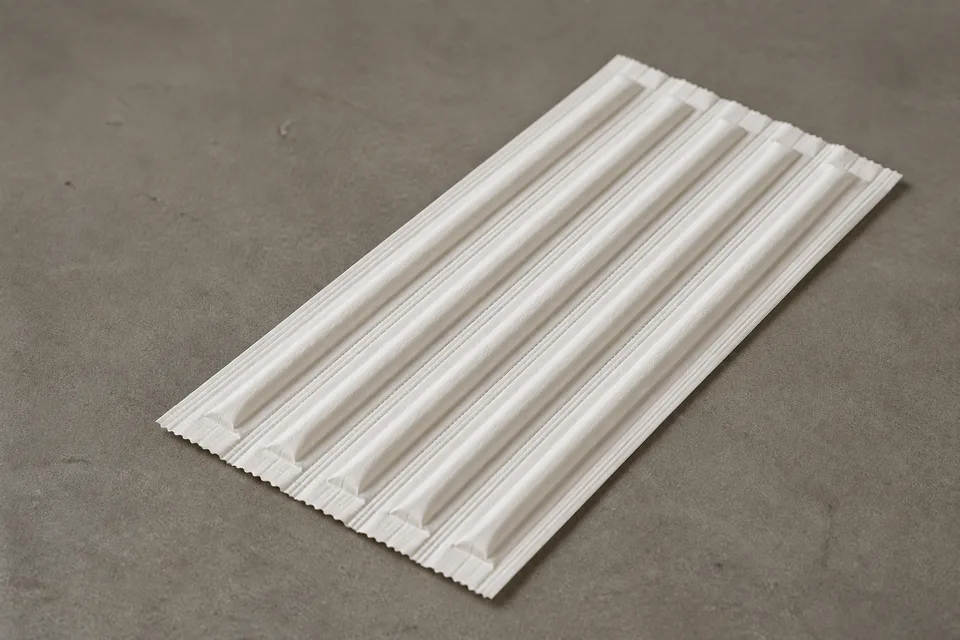
Attached Paper Straws
Connected continuous strip for high-speed automatic carton applicators.
View Product Specs →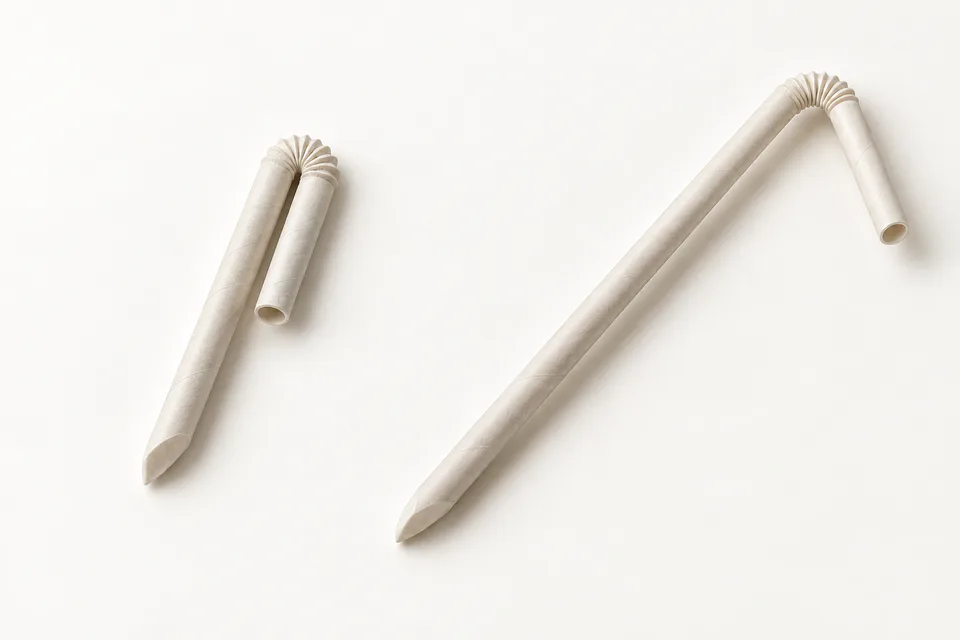
U-Shaped Paper Straws
Folded 180° format maximizing drinking reach on compact beverage cartons.
View Product Specs →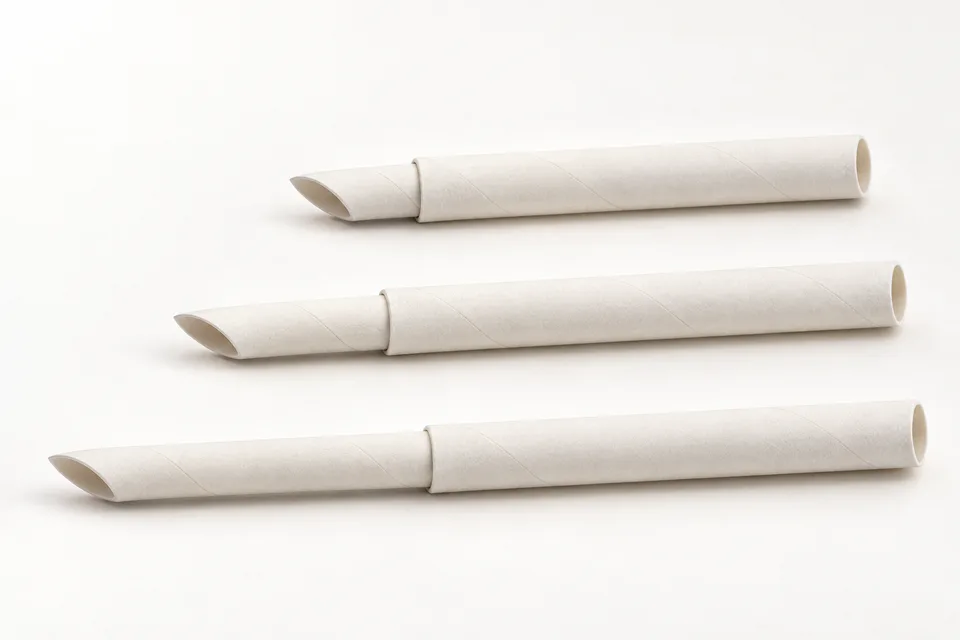
Telescopic Paper Straws
Two-section extendable design offering maximum reach from minimum packed length.
View Product Specs →Frequently Asked Questions
Is a U-shaped straw always one piece?
The format described on this site is a bent one-piece configuration. Confirm the exact construction on the supplier specification for the selected sample.
Does telescopic always mean a greater drinking length?
Not automatically. It means the product uses extendable sections. The actual extended length must be stated and checked.
Can product photographs be used to compare packed size?
Photographs help explain the format, but they do not replace dimensions, a carton drawing or an identified sample.
Which checks differ most between the formats?
U-shaped approval emphasizes packed bend geometry and bend recovery. Telescopic approval emphasizes section engagement, extension and retention.
What information is needed for a comparison?
Send the maximum packed area, required drinking reach, attachment position, carton drawing, beverage, market, wrapper requirements and available sample schedule.