In This Guide
Sourcing U-shaped paper straws for your beverage cartons can feel like a high-stakes decision. You need a straw that not only fits your packaging but also runs smoothly through your automated lines without causing jams or waste. Focusing on the wrong technical specs can lead to production downtime and a poor end-user experience. The key to ensuring optimal U-shaped paper straw performance lies in understanding two critical, yet often misunderstood, characteristics: bend radius and bend recovery.
Bend radius and bend recovery are crucial metrics for U-shaped paper straw performance. Bend radius determines how snugly the straw fits your specific beverage carton, affecting both aesthetics and structural integrity at the bend. Bend recovery, the straw's ability to spring back to its U-shape after being straightened for wrapping, is critical for preventing jams and ensuring efficiency on automated packaging lines. The ideal specifications are not universal; they depend entirely on your carton dimensions and machinery.
Now that you have the short answer, you're probably wondering how to apply it. Let's move beyond the technical definitions and talk about the practical questions you should ask a supplier. This will help you avoid common sourcing mistakes and find a straw that truly works for your specific needs.
What is the Ideal Bend Radius for a U-Shaped Paper Straw?
Are you worried that a super-tight bend, while looking neat on the carton, might secretly be a weak point waiting to fail? That’s a valid concern I hear a lot from packaging engineers. Forcing paper into an aggressive bend can compromise its structure, creating a sourcing risk you want to avoid.
The ideal bend radius isn't the tightest one possible. It's the one that achieves a perfect balance between fitting your carton snugly and preserving the structural integrity of the paper fibers. It’s all about context, not just a number on a spec sheet.
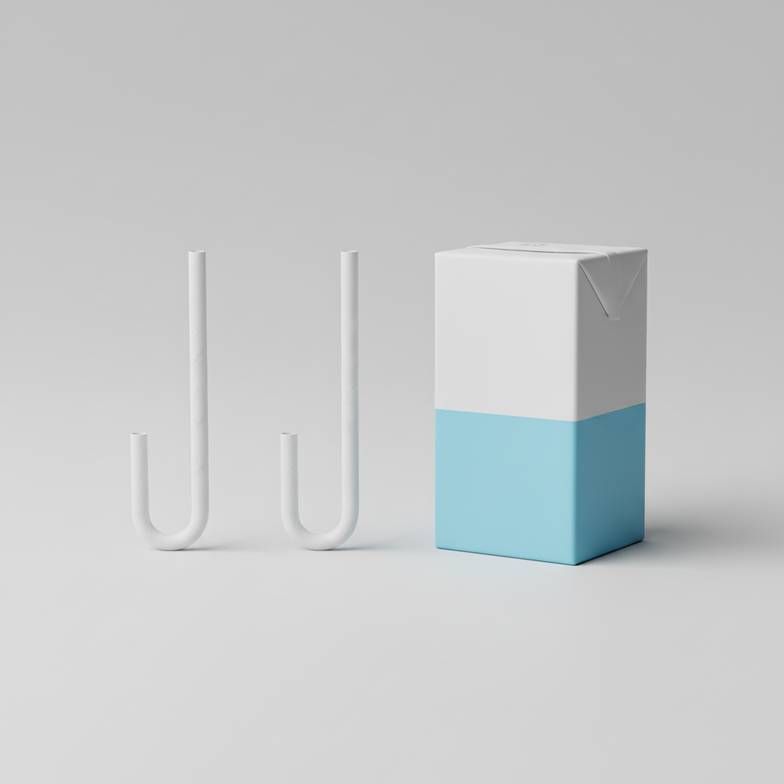
The Myth: A Tighter Bend is Always Better
One of the most common mistakes I see buyers make is requesting the "tightest possible bend." It seems logical—a tighter bend looks tidier and takes up less space. However, paper isn't plastic. When you force paper fibers into an extreme curve, you are physically stressing and weakening them. This can lead to several problems:
- Micro-fractures: The outer layers of the paper can develop tiny cracks that are invisible to the naked eye. When the straw gets wet, liquid can seep into these fractures, causing the bend to become soggy and collapse prematurely.
- Delamination: The adhesive holding the paper layers together can be stressed at the bend, leading to separation. This creates a definite weak point and can affect the straw’s performance.
- Reduced Durability: The bent section becomes the most likely point of failure. A customer trying to straighten the straw or poke it through the carton's entry-point might find it breaks right at the curve.
Instead of asking "How tight can you make it?", the better question for your supplier is, "What is the tightest recommended radius for this paper and adhesive combination that maintains structural integrity?"
Matching Radius to Your Carton and Machinery
The "right" bend radius is entirely dependent on your application.
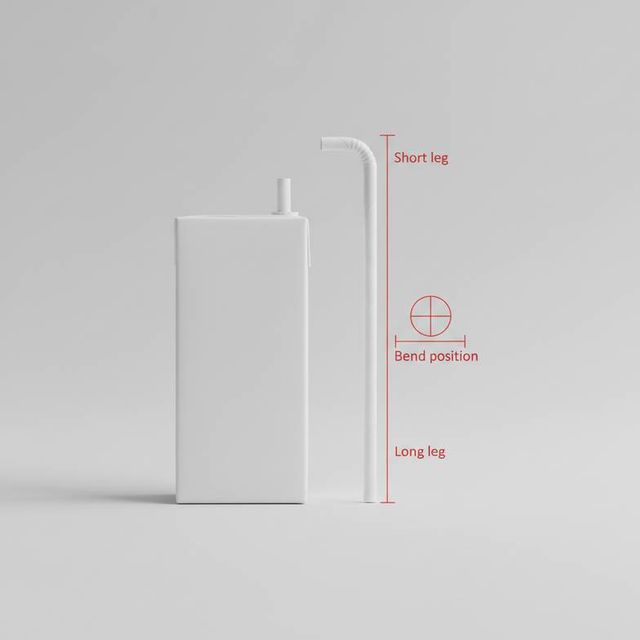
- A small, 200ml juice box with sharp corners will naturally require a straw with a tighter bend radius to sit flush against its side.
- A larger, 1-liter milk or juice carton has a wider surface, allowing for a gentler, larger bend radius. This is often preferable as it puts less stress on the straw.
From our experience working with clients' production lines, the machinery is just as important. The automated applicator that attaches the wrapped straw to the carton is calibrated for a specific straw shape. If the straw's "hook" is too wide or too narrow, the machine may fail to pick it up or apply it correctly, leading to errors and downtime. A good supplier should ask for your carton dimensions and machinery type to recommend a suitable bend radius.
How to Evaluate Bend Radius Quality
Don't just trust the spec sheet. The best way to evaluate U-shaped paper straw performance is to get your hands on samples and test them yourself.
- Visual Inspection: Look very closely at the bend. Do you see any signs of creasing, cracking, or the paper layers pulling apart (delamination)? The curve should be smooth and uniform.
- Physical Stress Test: Gently straighten and re-bend the straw a few times. Does it feel noticeably weaker at the bend? Does it make a crinkling sound that suggests the paper is breaking?
- Liquid Soak Test: Place the straw in a glass of water for 15-20 minutes. Pay close attention to the bend. Does it get soggy and lose its shape faster than the straight sections? This is a clear indicator of a weak point.
Why Does Bend Recovery Matter for U-Shaped Paper Straw Performance?
You've found a straw with the perfect bend radius that fits your carton like a glove. But what happens after it's been straightened, wrapped in film, and stored? If that straw doesn't spring back into its U-shape reliably, it can bring your entire packaging line to a grinding halt.
Bend recovery is the ability of a U-shaped paper straw to return to its original form after being held straight inside its individual wrapper. Poor recovery is a major operational risk, causing machine jams, incorrect application onto cartons, and a significant increase in wasted materials and time.

Bend Recovery: The Hidden Cause of Machine Downtime
In our experience helping customers troubleshoot their production lines, poor bend recovery is a frequent and frustrating cause of problems. Automated straw applicators are precisely engineered. They are designed to pick up a perfectly formed U-shaped object.
Here’s what happens when bend recovery is poor:
- The straw comes out of the wrapper looking crooked, twisted, or too straight.
- The robotic arm or suction cup on the applicator machine fails to get a proper grip.
- The machine either drops the straw (waste) or attempts to apply a misshapen straw to the carton, resulting in a jam.
- The line stops. An operator has to manually clear the jam, clean the applicator, and restart the line.
These micro-stoppages add up to significant losses in efficiency over a production shift. Good U-shaped paper straw performance is synonymous with excellent and consistent bend recovery.
What Influences Bend Recovery?
Several factors in the manufacturing process determine how well a straw will "remember" its shape:
| Factor | Description | Impact on Recovery |
|---|---|---|
| Paper Quality | The type of kraft paper, its grammage (GSM), and the length of its fibers. | Higher-quality paper with longer, more resilient fibers has better "springiness" and memory. |
| Adhesive | The food-grade glue used to bind the paper layers. | The adhesive must be flexible enough to allow bending but firm enough to help the structure hold its shape. |
| Manufacturing | The precision of the bending machine and the curing process after bending. | A well-calibrated process "trains" the paper and glue to hold the U-shape permanently. |
| Storage | Environmental conditions like humidity and temperature. | High humidity can soften paper fibers, causing the straw to lose some of its recovery ability over time. |
Testing Bend Recovery Like an Expert
This is another area where you can't rely on supplier claims alone. You need to test it in a way that simulates real-world conditions.
- The Unwrapping Test: This is simple but effective. Take a few individually wrapped samples and open them. Observe the straw immediately. Does it snap back into a clean, symmetrical U-shape? Or does it look lazy, crooked, or remain partially straight?
- The Repetition Test: Take a single straw and manually straighten it, holding it for a few seconds before releasing it. Repeat this 5-10 times. Does it lose its ability to spring back? A high-quality straw should demonstrate consistent recovery.
- Supplier Dialogue: Ask potential suppliers about their quality control process for bend recovery. Do they test a certain percentage of straws from each batch? What are their acceptable tolerances? This tells you a lot about their manufacturing discipline.
Frequently Asked Questions
What happens if the bend radius is too large for my carton?
If the bend radius is too large, the straw won't sit flush against the packaging. It might stick out, look unprofessional, and be more likely to get snagged or torn off during shipping and handling. Automated applicators might also reject it if the fit isn't within their programmed tolerances.
Can humidity affect bend recovery?
Absolutely. Paper is a natural material that absorbs moisture from the air. High humidity can soften the paper fibers and the adhesive, which can reduce the straw's ability to spring back into its U-shape. This is why proper, climate-controlled storage for both you and your supplier is essential for consistent U-shaped paper straw performance.
Is a 3-ply or 4-ply straw better for U-bends?
It's a trade-off. A 4-ply straw is generally more rigid, but that extra stiffness can sometimes make it harder to create a clean bend without stressing the fibers. A well-constructed 3-ply straw using high-quality paper and adhesive can often outperform a poorly made 4-ply one. The quality of the materials and manufacturing process is more important than the number of layers alone.
How do you measure bend radius?
In a manufacturing setting, we use precision gauges to measure the radius of the inner curve of the bend. For your practical evaluation, you don't need special tools. The most effective method is to simply compare the straw's curve directly against the corner radius of your beverage carton to assess the fit visually.
Conclusion
When sourcing U-shaped paper straws, it's easy to get lost in technical specifications. However, achieving reliable U-shaped paper straw performance isn't about finding a product with a universal "best" spec. It’s about finding the product that is perfectly matched to your unique application. The ideal bend radius depends on your carton's size, and consistent bend recovery is non-negotiable for the efficiency of your automated packaging lines. The most reliable way to de-risk your procurement process is to move beyond spec sheets and conduct thorough physical testing with samples on your own cartons and machinery.
Ready to find a U-shaped paper straw that works flawlessly with your production line? Contact us to discuss your carton specifications and request samples. Let's work together to ensure your switch to sustainable packaging is a seamless success.
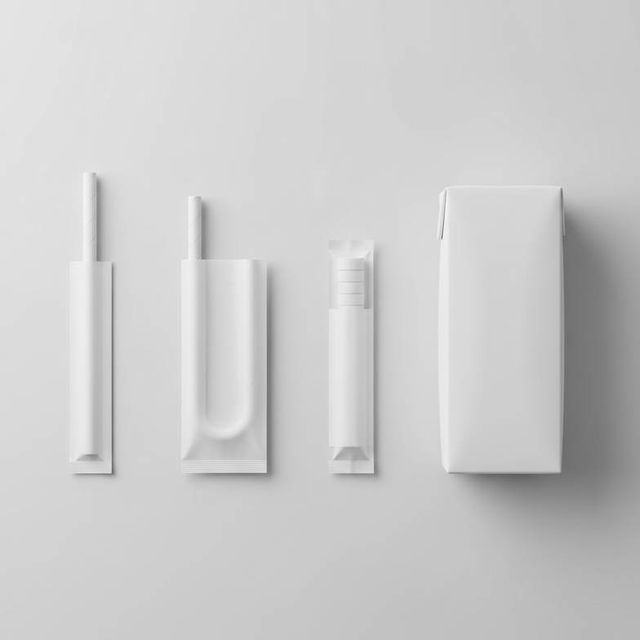
Matched Formats for Beverage Cartons
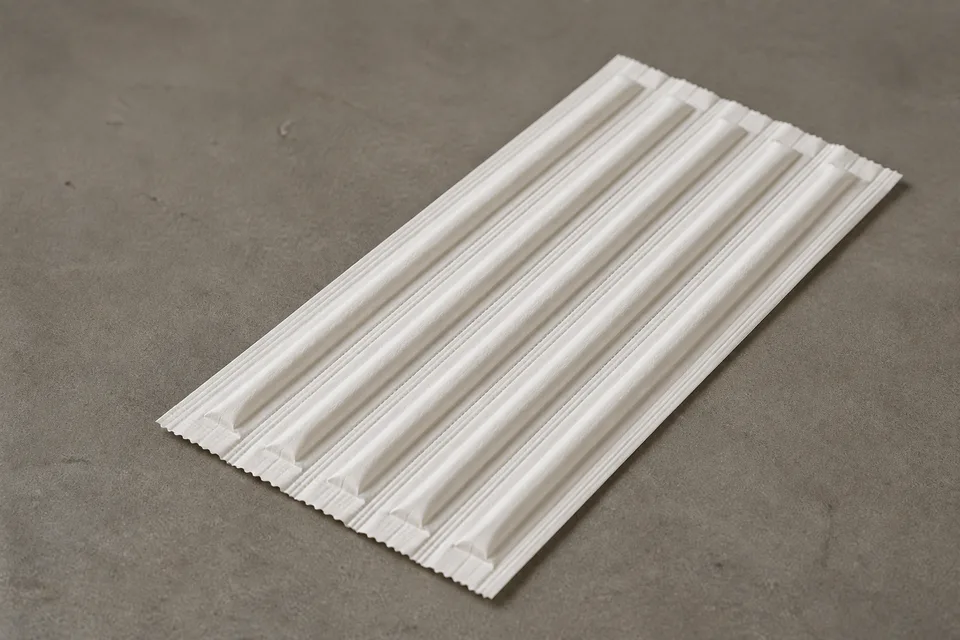
Attached Paper Straws
Connected continuous strip for high-speed automatic carton applicators.
View Product Specs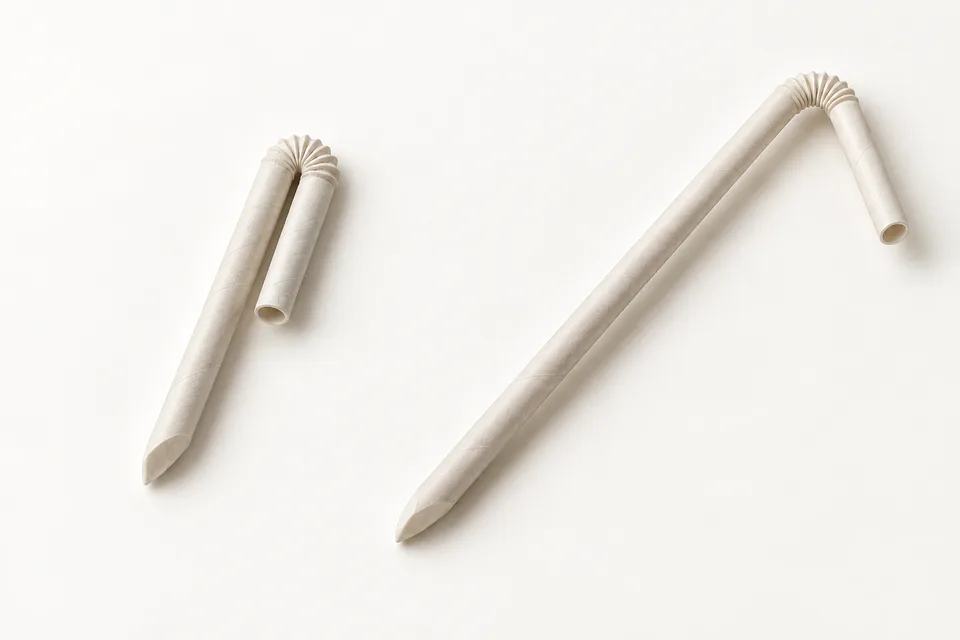
U-Shaped Paper Straws
Folded 180° format maximizing drinking reach on compact beverage cartons.
View Product Specs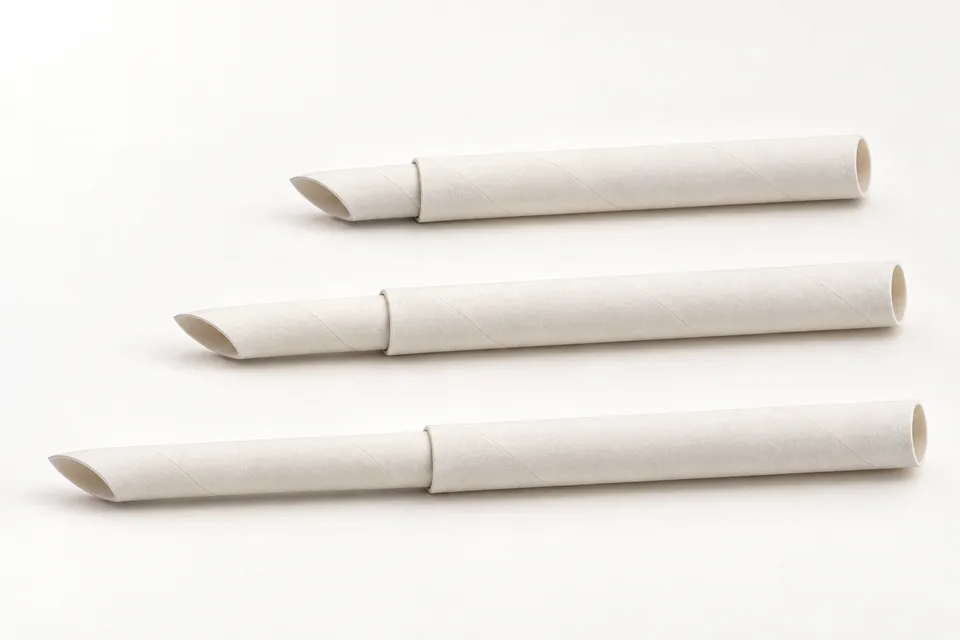
Telescopic Paper Straws
Two-section extendable design offering maximum reach from minimum packed length.
View Product Specs