
In This Guide
Worried about your new telescopic paper straw coming apart before your customer can even take a sip? It's a valid fear. A separated straw isn't just a product failure; it's a visible mark against your brand's quality that can lead to a flood of customer complaints and a major headache for your team. The key to avoiding this isn't a single quick fix, but understanding how to properly evaluate a supplier's control over the entire manufacturing process.
To reduce tube separation risk in a telescopic paper straw, you must shift your focus from vague quality claims to a supplier's specific controls over structural design, material selection, and production consistency. This involves asking detailed questions about dimensional tolerances between the inner and outer tubes, adhesive performance under humidity, and their quality control process for the telescopic function itself.
Now that you have the core strategy, let's break it down. Truly understanding these factors is what separates a successful, reliable project from a risky one. We'll explore the specific, practical questions you need to ask to truly vet a potential manufacturing partner and protect your brand.
Why is tube separation a system problem, not a single defect?
You might think a stronger glue is the simple answer to prevent a telescopic straw from pulling apart. But when straws that passed quality control at the factory start failing in the field, it points to a much more complex issue that a single change can't solve.
The reality is that tube separation is a system problem. It's caused by the dynamic interplay of multiple factors: the properties of the paper itself, the formulation of the adhesive, the precise dimensional fit between the tubes, and the environmental conditions the straw faces after it leaves the factory.
The Delicate Balance of Friction and Fit
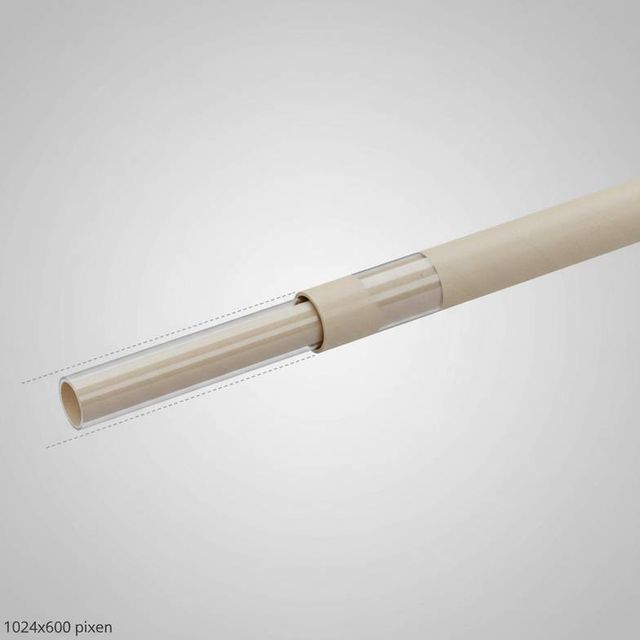
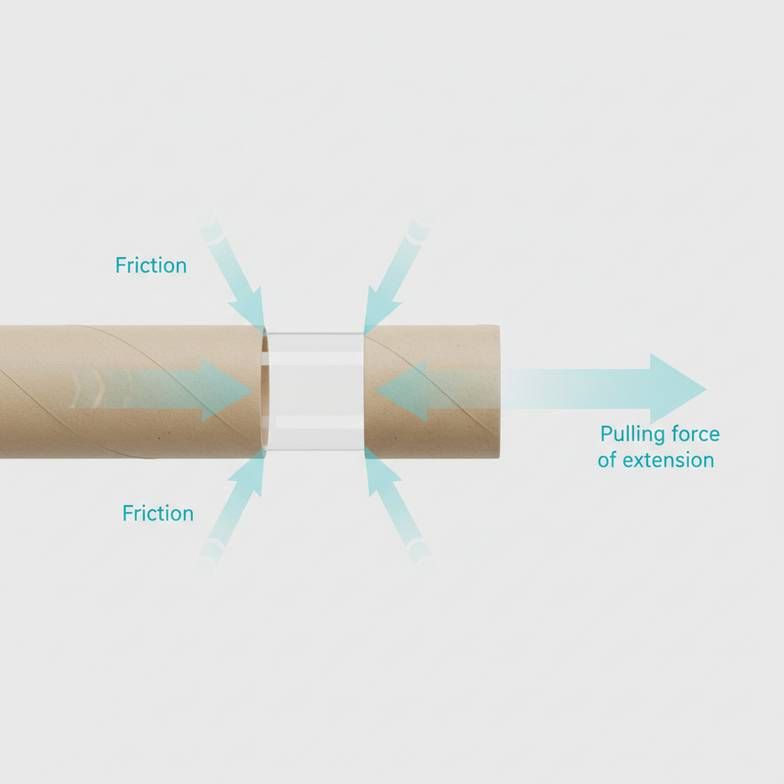
The magic of a telescopic paper straw lies in a very delicate balance of friction. There must be just enough friction between the inner and outer tubes to hold them together securely during packaging and use. However, if there's too much friction, the straw becomes difficult to extend and can tear or jam.
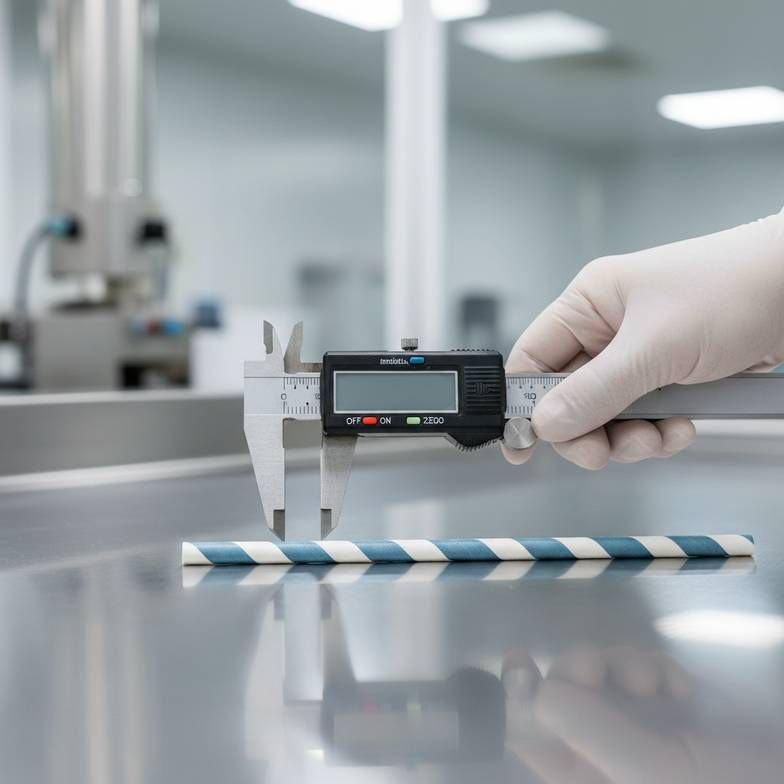
This is where manufacturing precision becomes critical. The gap between the inner diameter of the outer tube and the outer diameter of the inner tube is measured in fractions of a millimeter. A supplier with poor process control will have high variation in these dimensions. Some straws will be too loose and risk separation, while others will be too tight and fail to extend properly. A reliable manufacturer maintains incredibly tight dimensional tolerances to ensure every straw performs as expected.
Paper, Moisture, and Expansion
Paper is a hygroscopic material, which means it naturally absorbs moisture from the air. This is a critical factor that is often overlooked. A telescopic paper straw might perform perfectly in a dry factory environment, but its properties can change dramatically during its lifecycle.
Imagine a shipment of beverage cartons traveling through a humid, tropical climate in a shipping container. The paper in the straws will absorb moisture and swell slightly. This swelling can do two things, both bad:
- It can increase the diameter of the tubes, creating excessive friction that causes the straw to tear when a consumer tries to extend it.
- It can put stress on the adhesive line that holds the sections together, weakening the bond and increasing the risk of separation.
From our experience, this is a common point of failure. The problem doesn't appear at the factory; it develops during shipping and storage, long after the product has passed initial QC.
Adhesive Isn't Just "Glue"
The adhesive used in a telescopic paper straw isn't just generic glue. It's a specific formulation designed to bond paper while remaining flexible and resistant to moisture. More important than the adhesive itself is the curing process.
If the adhesive isn't fully and properly cured before the straw is assembled and packaged, it can remain susceptible to changes in temperature and humidity. A hot shipping container can soften an improperly cured adhesive, causing the bond to fail. A good manufacturing partner has strict protocols for adhesive application and curing to ensure that the bond is stable and will hold up throughout your supply chain.
How do you evaluate a supplier's control over the telescopic paper straw structure?
You've probably received supplier datasheets full of reassuring but vague claims like "strong bond," "premium materials," and "high-quality construction." But how do you know if these claims will actually hold up in the real world? How do you separate a great partner from a risky one?
You evaluate a supplier's control by moving past the marketing language and asking for specific, verifiable information. You need to request their dimensional tolerance specifications, their adhesive curing protocols, and, most importantly, their specific QC testing methods for the telescopic paper straw function itself.
Questions That Cut Through the Noise
The quality of your questions will determine the quality of your outcome. As a buyer, your job is to probe for specifics. This not only gives you the data you need but also reveals how deeply the supplier understands the complexities of their own product.
A common question we get from beverage brands is how to start this conversation. Here's a simple framework we use to guide them. It’s all about turning a vague concern into a specific, data-driven inquiry.
| Vague Supplier Claim | The Smart Buyer's Question |
|---|---|
| "High-Quality Construction" | "What are the specific inner and outer diameter tolerances for this telescopic paper straw, and what is your process for managing them?" |
| "Strong Adhesive Bond" | "Can you describe your adhesive curing process and how you test for bond strength after exposure to 85% humidity for 48 hours?" |
| "Durable and Reliable" | "What is your QC procedure for testing the telescopic function, including the pull force required for extension, and what are the pass/fail criteria?" |
| "Works with Any Drink" | "Have you tested this straw with viscous liquids like smoothies or dairy drinks after 24 hours of cold storage?" |
Asking these kinds of questions sends a clear signal that you are an informed buyer. A capable supplier will welcome this and be ready with detailed answers. A supplier who can't answer them may not have the necessary process controls in place.
The Power of a Production Sample
A datasheet is a promise; a production sample is evidence. But don't just test the sample right out of the box. The most critical mistakes happen when buyers approve a sample based on its performance in a comfortable office environment.
You must simulate your supply chain. When we work with a new client on a telescopic paper straw project, we always recommend this kind of real-world stress testing. It's simple but incredibly effective.
- The Humidity Test: Place a few samples in a sealed container with a damp cloth for a couple of days to simulate a humid warehouse. Does it still extend smoothly?
- The Heat Test: Leave a few samples in a hot car or a warm room for a day. Does the bond hold?
- The Cold Test: Put some in a refrigerator overnight. Does the paper become brittle or difficult to extend?
This kind of testing reveals weaknesses that a simple pull-test in a lab will never find. It helps you understand how the product will truly perform when it reaches your customer.
How does your end-use scenario affect separation risk?
It's tempting to think that one straw fits all applications. But the truth is, a telescopic paper straw that works perfectly for a juice box in a dry, temperate climate might fail completely when attached to a thick milkshake sold in a tropical market like Singapore or Brazil.
Your specific end-use scenario—including the beverage type, temperature, and the climate of your target market—dramatically affects the stresses placed on the straw's structure. Clearly communicating this full context to your supplier is one of the most critical steps you can take to mitigate risk.
Climate and Supply Chain Stress
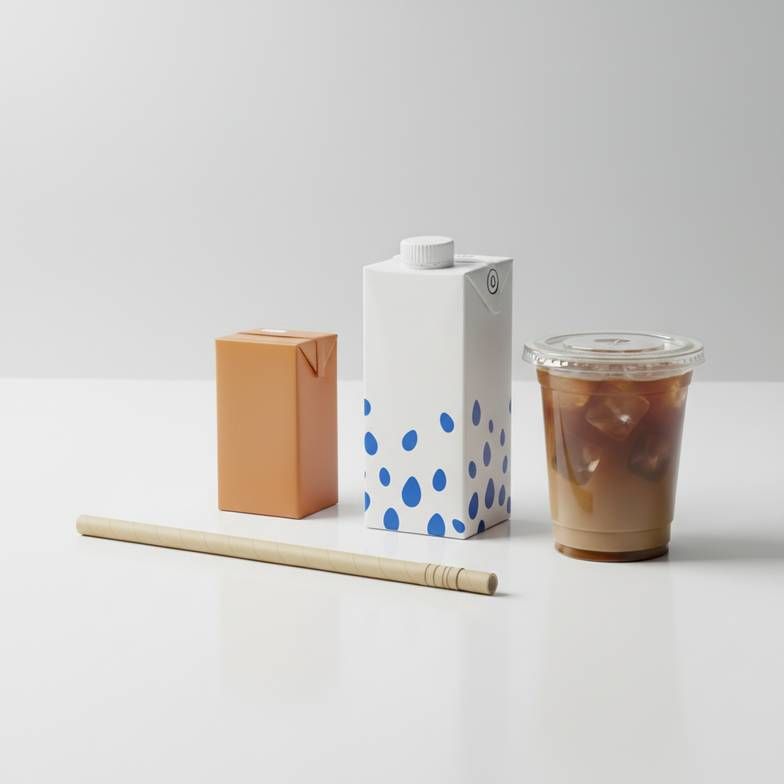
Tropical and subtropical markets, with their high heat and humidity, represent the ultimate test for any paper-based packaging. A journey in a non-refrigerated shipping container can expose the straws to extreme conditions before they even reach a distribution center.
We've reviewed projects where the straws were perfect when they left the factory but had a high failure rate upon arrival. The reason was that the shipping and storage environment wasn't factored into the design and material selection. You need to discuss the entire logistics chain with your supplier. A good partner will ask you about the destination market and transit conditions because they know it impacts the performance of the telescopic paper straw.
Beverage Type Matters More Than You Think
The drink inside the carton also plays a huge role. Different liquids interact with the straw in different ways.
- Viscosity: Thicker drinks like milkshakes, smoothies, or some dairy products require more suction force from the user. This puts a direct pulling force on the telescopic joint, testing the strength of the bond.
- Acidity: Highly acidic juices can interact with paper fibers and adhesives over time, although this is generally a lesser concern for short-term use.
- Temperature: Cold drinks can make the paper and adhesive slightly more brittle, potentially making the straw more prone to tearing if the friction is too high.
The Buyer's Most Important Job
As the buyer or packaging engineer, your most important job is to be the expert on your product and your market. You cannot expect a supplier to guess these variables. To facilitate a productive conversation, create a "Product Environment Profile" to share with potential suppliers. It should include:
- Target Market: The country or region and its typical climate (e.g., "Southeast Asia, hot and humid").
- Supply Chain: Will products be shipped in refrigerated or ambient containers? What are the expected storage times and conditions?
- Beverage Details: The exact type of drink (juice, dairy, water), its viscosity, and serving temperature.
- Packaging: Details about the beverage carton it will be attached to.
Providing this information upfront allows a capable manufacturer to recommend the right paper grades, adhesive formulation, and dimensional specifications for your specific telescopic paper straw needs, turning a potential problem into a successful product launch.
Frequently Asked Questions
How much friction should a telescopic paper straw have?
There isn't a single universal number. The ideal friction provides enough grip to prevent accidental separation while being loose enough for a child to extend it easily. A good supplier controls this through tight dimensional tolerances and can provide you with their target extension force range, often measured in Newtons (N), which they verify during QC.
Can the type of paper prevent tube separation?
While paper choice is important for overall strength and moisture resistance, it's not the only factor. Even the best paper can fail if the dimensional fit is wrong, the adhesive is poorly applied, or the curing process is incomplete. It's the integrated system of paper, glue, and precision manufacturing that prevents separation in a telescopic paper straw.
What is the most common cause of telescopic straw failure?
From our experience analyzing B2B customer feedback, the most common culprit is a change in humidity during shipping or storage. This causes the paper to swell, which either weakens the glue bond or creates too much friction, leading to a tear when someone tries to extend it. This highlights why testing samples after environmental simulation is so important.
Is a 3-section telescopic straw more likely to separate than a 2-section one?
Potentially, yes. A 3-section straw has two joints instead of one, which means two potential points of failure. This design requires even tighter control over dimensional tolerances and assembly consistency. If you are considering a 3-section design, the depth and rigor of your supplier vetting process become even more critical.
Conclusion
Reducing the risk of a separated telescopic paper straw isn't about finding a single magic material or a stronger glue. It's about making a fundamental shift in your procurement process. Success comes from moving beyond generic quality claims and asking the detailed, specific questions that reveal a supplier's true capabilities. By evaluating their management of dimensional tolerances, adhesive performance, and by testing production samples under realistic supply chain conditions, you can identify a partner who understands the systemic nature of this challenge. A reliable telescopic paper straw is ultimately the result of a collaborative process between an informed buyer and a capable, transparent manufacturer.
If you're ready to move from risk to reliability in your next beverage packaging project, let's talk. Contact us today to discuss your specifications and request samples for a comprehensive carton format review.
Matched Formats for Beverage Cartons
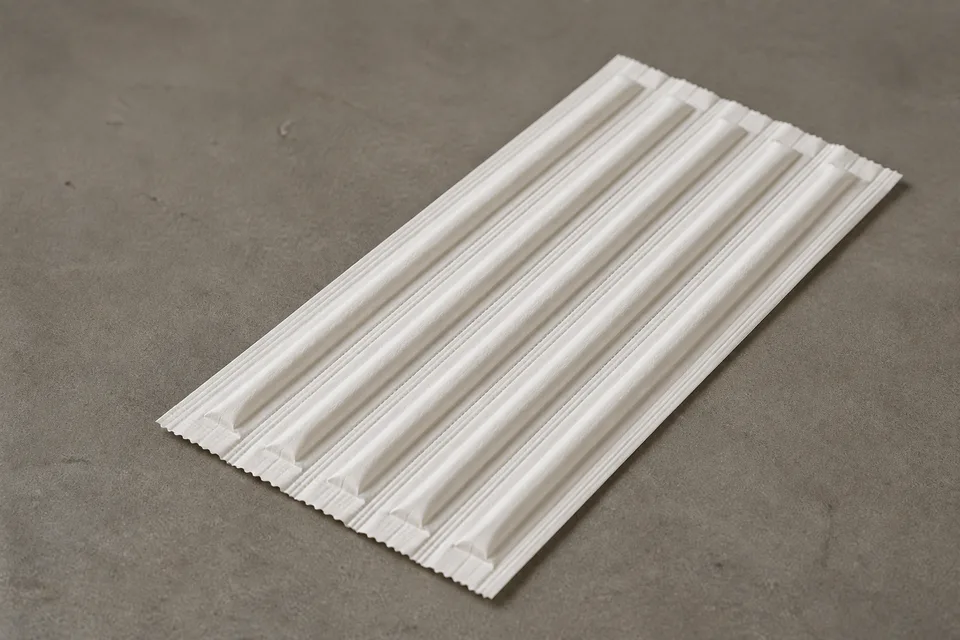
Attached Paper Straws
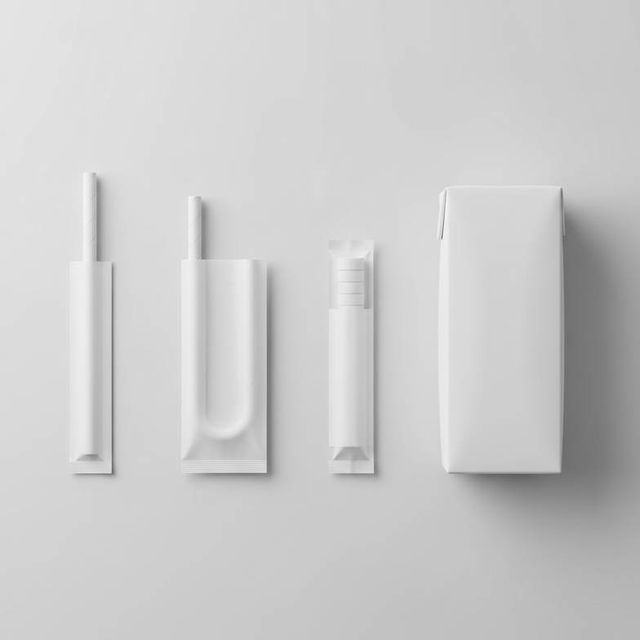
Connected continuous strip for high-speed automatic carton applicators.
View Product Specs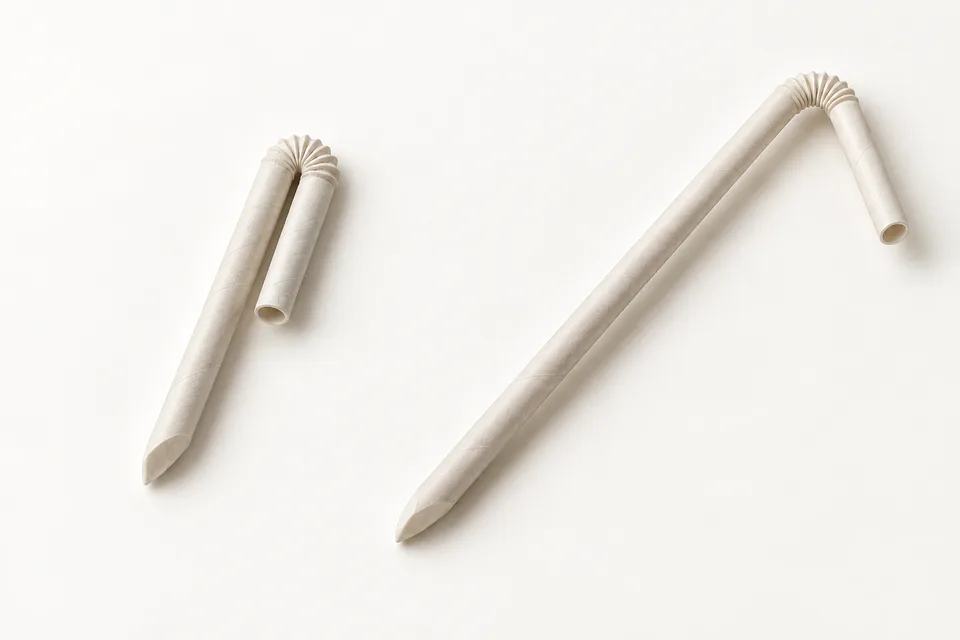
U-Shaped Paper Straws
Folded 180° format maximizing drinking reach on compact beverage cartons.
View Product Specs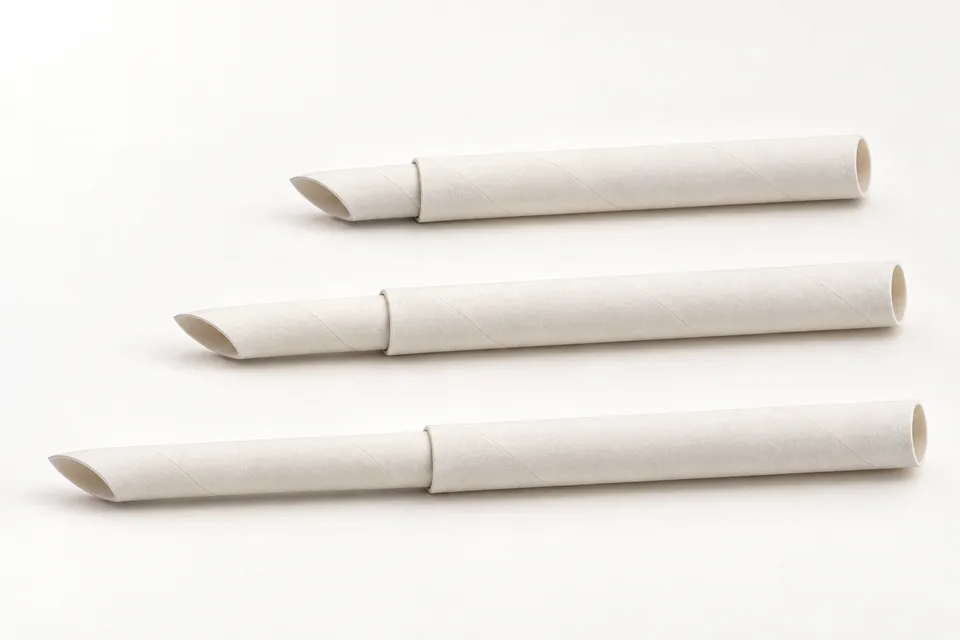
Telescopic Paper Straws
Two-section extendable design offering maximum reach from minimum packed length.
View Product Specs