
In This Guide
Sourcing U-shaped paper straws for your beverage cartons seems straightforward until you hit the spec sheet. You have a straightened length in mind, but the critical dimension for your packaging line is the packed height. Getting this relationship wrong can lead to costly jams, damaged products, and production downtime. Understanding the variables is the key to ensuring a perfect fit.
There is no universal formula to convert the straightened length of U-shaped paper straws to their final packed height. The packed height is a variable outcome determined not only by the straightened length but also by the paper's thickness and elasticity, the manufacturing bend radius, and even the compression from the individual wrapper. Therefore, the only way to guarantee a fit is to validate samples against your specific beverage carton and packaging line.
Now that we've cleared up that there's no simple conversion chart, you might be wondering what to do next. The solution lies in shifting your focus from abstract calculations to the practical realities of your product. Let’s explore the factors that truly matter.
What Determines the Packed Height of U-shaped Paper Straws?
You might think that a 150mm straw is a 150mm straw, and folding it in half should be simple geometry. But when you're dealing with paper, things get a bit more complex. Why can two straws with the same straightened length have different packed heights?
The final packed height is a result of a combination of factors, not just simple division. The most significant influences are the material's properties—like the paper's "memory" or elasticity—and the specific manufacturing settings used to create the bend.
Dive Deeper: The Hidden Variables
When customers ask us for a specific packed height, our first step isn't to pull out a calculator. It's to understand the materials and manufacturing process that will get them there.
Material Elasticity and "Spring-Back"
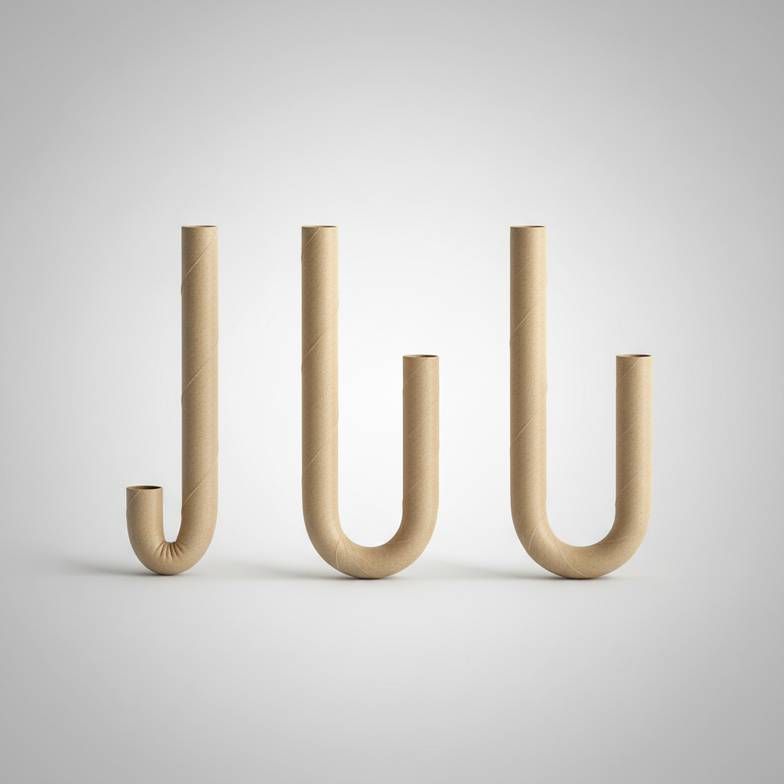
Paper, unlike plastic, has a natural tendency to return to its original shape. We call this "spring-back" or material memory. After the straw is bent into a "U" shape, the paper fibers are under tension and will try to straighten out slightly.
This effect is influenced by several things:
- Paper Layers: A straw made of four or five layers of paper will be stiffer and may exhibit more spring-back than a three-layer straw.
- Paper Type and Thickness: Different grades of kraft paper have different fiber structures and thicknesses (measured in gsm, or grams per square meter). A heavier, denser paper will behave differently than a lighter one.
- Adhesive: The type and amount of food-grade glue used to bind the layers also contributes to the final stiffness and memory of the straw body.
I’ve seen cases where a buyer assumes more layers mean a better straw, but the resulting stiffness caused the packed height to be too tall for their carton's recess. It's all about finding the right balance for your specific application.
The Critical Role of Bend Radius
The bend radius is the sharpness of the curve at the bottom of the "U." This is not a variable you can easily change; it's determined by the tooling on the U-shaped straw bending machine.
- A smaller bend radius (a tighter bend) will result in a shorter packed height, all other things being equal. However, a bend that is too tight can overly stress the paper fibers, potentially creating a weak point.
- A larger bend radius (a gentler bend) will create a taller packed height. This is often gentler on the paper but requires more vertical space on the beverage carton.
Our job as a manufacturer is to select the right tooling and process that achieves your required packed height without compromising the straw's structural integrity.
Wrapping and Packaging Compression
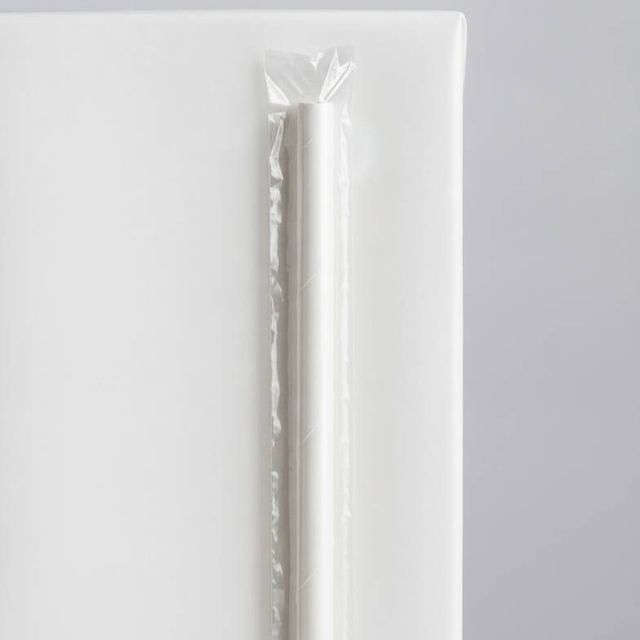
The final, and often overlooked, factor is the packaging itself. The tension of the individual paper or plastic film wrapper can apply slight compression to the straw, holding it in a more compact U-shape. When you remove the straw from its wrapper, you can often see it "relax" and expand slightly.
Similarly, how the individually wrapped straws are packed into dispenser boxes or master cartons can also contribute to a "settled" height. This is another reason why testing pre-production samples that have been fully wrapped and packed is the only true way to validate the fit.
Why Is Carton Compatibility More Important Than a Formula for U-Shaped Paper Straws?
Are you getting frustrated trying to find the perfect formula to calculate your straw dimensions? You might be focusing on the wrong part of the problem, and this can lead to ordering straws that jam your equipment, even if the math looked correct on your spreadsheet.
The ultimate goal isn't a mathematically perfect straw; it's a batch of U-shaped paper straws that run smoothly on your packaging line and fit perfectly on your carton. Focusing on carton compatibility directly addresses this real-world commercial risk and moves the conversation toward a practical solution.

Dive Deeper: Mitigating Real-World Risks
A common mistake we see is when a procurement manager tries to specify the straw dimensions in a vacuum, without providing context about the carton it's for. This approach is risky.
The Commercial Risks of a Misfit
Let's break down what actually happens when the packed height is wrong:
- If the Straw is Too Tall: It simply won't fit into the designated space on the carton. This can cause the automated straw applicator on your packaging line to jam, leading to costly downtime. In other cases, the straw might get crushed during final case packing, leading to product damage and customer complaints.
- If the Straw is Too Short: While less likely to cause machine jams, a straw that is too short can appear sloppy on the final product. It might also be slightly more difficult for the end consumer to grab and use, impacting their experience with your brand.
A client of mine once insisted on a specific straightened length for their new U-shaped paper straws because it matched the spec of their old plastic straws. We had to have a careful discussion, explaining that paper's spring-back meant we needed to adjust the length to achieve the same packed height. We requested a sample of their carton, produced a few test straws, and sent them for validation. This simple step prevented what would have been a very expensive ordering mistake.
The Right Information to Give Your Supplier
Instead of asking, "What is the packed height for a 160mm straw?" you will get much better results by providing the following information:
- Carton Dimensions: The height, width, and depth of your beverage carton are the most critical pieces of information.
- A Physical Carton Sample or Technical Drawing: This is the gold standard. It allows the manufacturer's technical team to take precise measurements of the available space.
- Straw Attachment Point: Where on the carton will the straw be glued? Is there a pre-printed box or a recessed area for it?
- Desired Final Length: How long does the straw need to be for a good drinking experience once straightened?
With this information, a capable supplier can work backward to engineer a straw that meets your functional and aesthetic requirements.
The Sample Validation Process
A trustworthy manufacturing partner will always insist on a sample validation process before committing to a bulk order. It typically looks like this:
- You provide your carton samples or technical drawings.
- The supplier produces a small batch of sample straws based on their analysis of your carton.
- You test these physical samples on your actual packaging line to check for fit, adhesion, and machine performance.
- You provide feedback, and the supplier makes minor adjustments if needed.
- Mass production begins only after you give final approval.
This collaborative process removes all guesswork and ensures the U-shaped paper straws you receive will perform exactly as needed.
How Do Manufacturers Ensure the Right Fit for Your U-Shaped Paper Straws?
Are you worried that a supplier might just take your numbers and produce a million straws, leaving you to deal with the consequences if they don't fit? This is a valid concern, and it separates commodity sellers from true manufacturing partners.
A reliable manufacturer of U-shaped paper straws doesn't guess or gamble. We follow a structured validation process that begins with your carton's specifications, moves to physical sample testing on your equipment, and requires your explicit approval before a single straw is mass-produced.
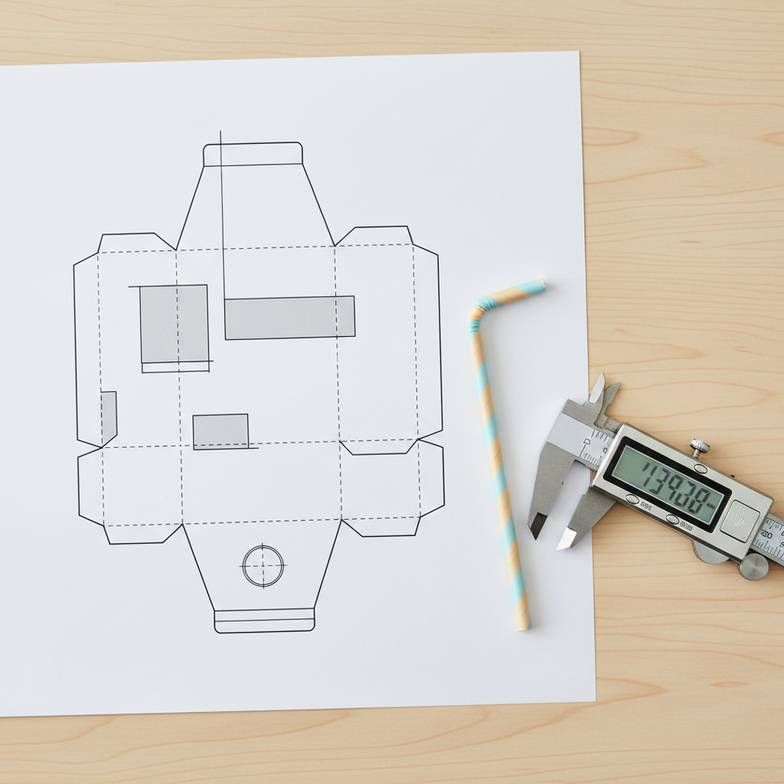
Dive Deeper: A Partnership in Precision
Our goal is to act as an extension of your packaging team. We use our manufacturing expertise to translate your requirements into a functional, reliable product.
From Customer Specs to Production Parameters
When we receive a customer's carton, our technical team immediately gets to work. If you tell us your carton is 120mm tall and the straw needs to be 160mm long when straightened, we don't just cut 160mm of paper and bend it.
We work backward:
- We measure the precise vertical space available on the carton, accounting for any recessed areas.
- Based on that packed height, we select the appropriate bending machine tooling (for the bend radius).
- We factor in the chosen paper type (e.g., 3-ply vs. 4-ply, 60gsm vs. 120gsm paper) and its expected spring-back.
- Only then do we calculate the exact initial paper cutting length required to achieve both the target packed height and the final straightened length.
It's a process of engineering, not just fulfilling an order.
The Role of Quality Control in Production
Ensuring consistency is just as important as getting the initial sample right. During production, we implement multi-stage quality control. This includes:
- Automated Checks: Our machines have sensors that monitor the cutting and bending process.
- Manual Inspections: Our QC technicians regularly pull straws from the line to perform manual checks. We don't just measure the straightened length; we use calipers and custom-made gauges to verify the packed height, diameter, and wall thickness.
This rigorous process ensures that the 1,000,000th straw has the exact same critical dimensions as the first one you approved.
Table: What a Good Supplier Asks For
Here’s a quick guide to the kind of collaborative conversation you should be having with your supplier.
| Information You Provide | What the Supplier Does With It |
|---|---|
| Beverage Carton Sample or Drawing | Measures available height, width, and recess dimensions to define the target packed height. |
| Desired Straightened Length | Calculates the initial paper cutting length as a starting point for engineering. |
| Target Market/Compliance Needs | Selects the appropriate food-grade paper, ink, and adhesive to meet regulations. |
| Packaging Line Details | Considers required tolerances and wrapping specifications for automated applicators. |
Frequently Asked Questions
Can I use the same specs for my paper U-straw as my old plastic one?
No, this is a common mistake. Paper and plastic have very different material properties. Paper has "spring-back" and is less flexible, so a paper straw will have a different packed height than a plastic one of the same straightened length. Always re-validate with paper samples.
What is a typical bend radius for a U-shaped paper straw?
There is no single "typical" radius. It's determined by the manufacturer's tooling and is chosen based on the straw's diameter and the target packed height. Instead of specifying a radius, you should focus on providing your carton dimensions and letting the supplier engineer the correct solution.
How much tolerance should I allow for the packed height?
This depends heavily on your specific straw applicator machine. Some machines are more forgiving than others. A good starting point might be a tolerance of +/- 1mm, but the only way to be certain is to test physical samples on your actual production line to see what it can handle reliably.
Does the number of paper layers affect the packed height?
Yes, absolutely. More paper layers (e.g., 4-ply vs. 3-ply) create a stiffer straw body. This increased stiffness often results in more "spring-back" after bending, which can lead to a taller packed height, even if the straightened length is identical.
Conclusion
When sourcing U-shaped paper straws, it's tempting to look for a simple formula to connect straightened length with packed height. However, the reality is that no such formula exists. The final packed height is a complex outcome of the paper's material properties, the manufacturing process, and the bend radius. The most effective strategy is to shift your focus from theoretical calculations to practical validation. By providing your supplier with your carton specifications and engaging in a collaborative sampling process, you can eliminate the risk of production jams and ensure a perfect fit every time.
Instead of guessing at dimensions, let our experienced team help you engineer the right solution. Submit your carton specifications today, and we will work with you to configure and sample the perfect U-shaped paper straws for your products.
Matched Formats for Beverage Cartons
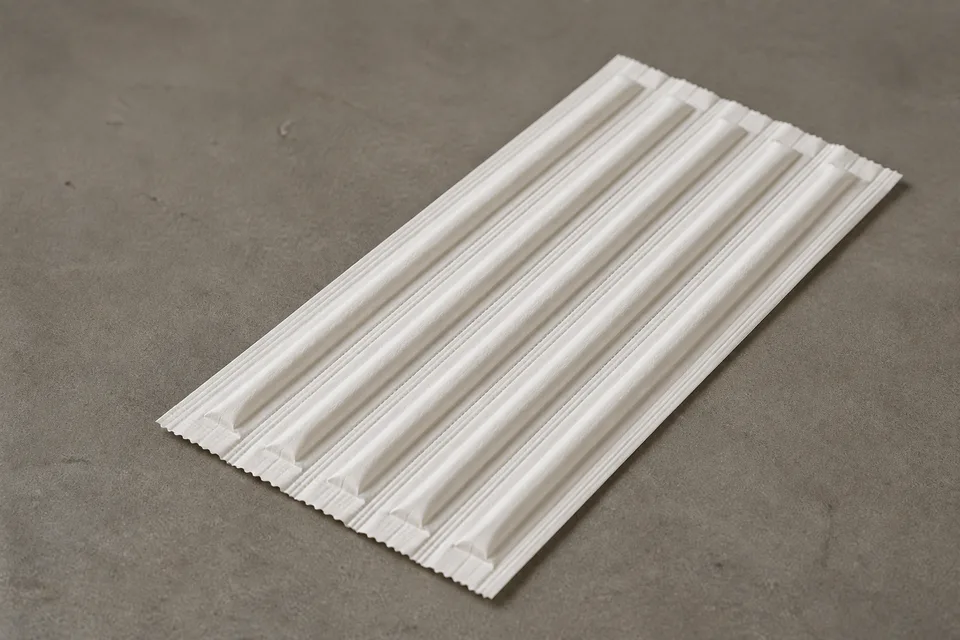
Attached Paper Straws
Connected continuous strip for high-speed automatic carton applicators.
View Product Specs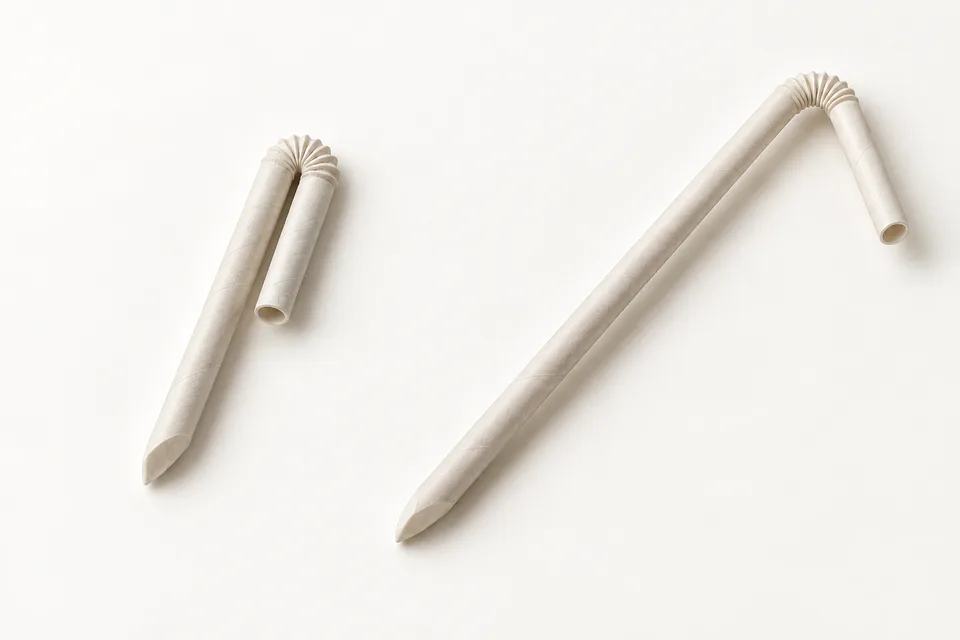
U-Shaped Paper Straws
Folded 180° format maximizing drinking reach on compact beverage cartons.
View Product Specs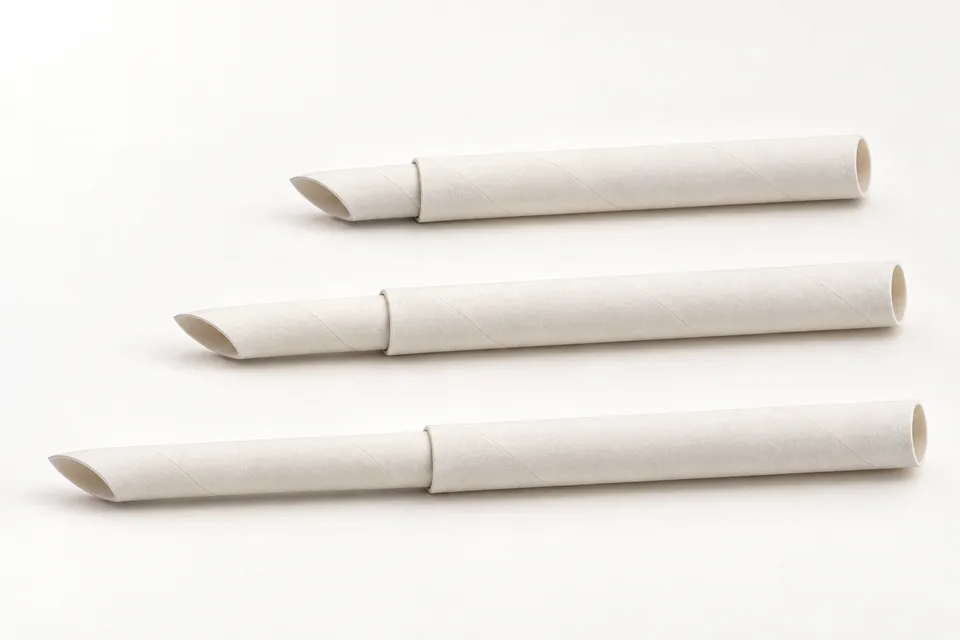
Telescopic Paper Straws
Two-section extendable design offering maximum reach from minimum packed length.
View Product Specs