In This Guide
Sourcing the right telescopic paper straws for your beverage cartons can feel like a simple task, but getting the dimensions wrong is a surprisingly common and costly mistake. A straw that’s too short when packed won’t attach to your carton, while one that’s too short when extended will only frustrate your customers. The solution lies in understanding the critical trade-off between packed length and extended length.
The packed length of a telescopic paper straw is dictated by the beverage carton's dimensions and attachment machinery, making it the primary physical constraint. In contrast, the extended length is determined by the need for a comfortable user experience. The ideal specification is always a balance between these two factors, tailored to your specific product, rather than a universal standard.
While that answer seems straightforward, the consequences of getting this balance wrong are significant. It can lead to production line shutdowns, wasted inventory, and negative customer feedback. Let’s dive deeper into how you can make the right decision for your brand and avoid these common pitfalls.
Why Is Packed Length the First Priority for Telescopic Paper Straws?
Are you worried that a new batch of straws won't integrate with your existing production line? An incorrect packed length can halt manufacturing before it even begins, wasting precious time and money. This is why it's the very first dimension you must confirm and lock down.
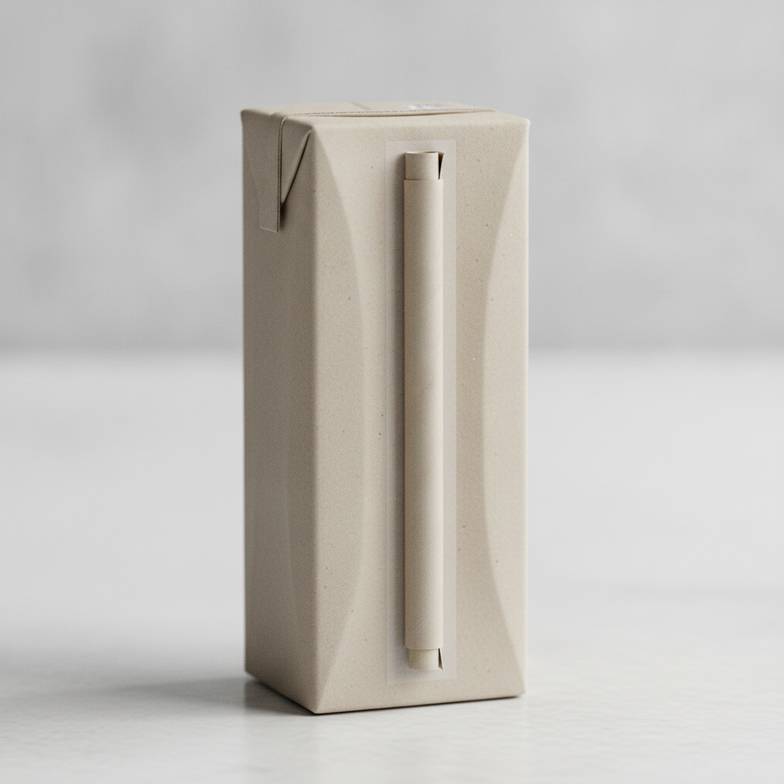
The packed length is the primary specification because it must align perfectly with your beverage carton's available surface area and your straw attachment machinery's tolerances. If the packed straw is even a few millimeters too long, it simply won't fit on the carton correctly.
Dive Deeper: The Constraints of Machinery and Carton Real Estate
A common question we get from beverage brands is about a "standard" straw size. The truth is, the standard is dictated by your carton and your equipment. From a manufacturing standpoint, the most critical dimension to confirm first is the packed length, because your machinery has very little room for error.
Your Machinery Doesn't Compromise
Straw applicator machines are calibrated to work within very tight tolerances. They are designed to pick up a straw of a specific length, apply adhesive, and place it precisely on the carton. If a straw is too long, it can cause a number of problems:
- Jamming the machine: An oversized straw can fail to feed properly, leading to equipment jams and production downtime.
- Incorrect placement: The straw might be attached off-center or at an angle, which looks unprofessional and can interfere with multi-packing.
- Interference with wrapping: If you bundle your products in multi-packs, a straw that overhangs the carton's edge can tear the outer wrap.
I’ve seen situations where a customer orders thousands of straws based only on the extended length they want, only to find the packed length is 10mm longer than their applicator can handle. It’s a completely avoidable sourcing error that starts with ignoring your primary constraint.
Beverage Carton Real Estate is Prime Property
Think of the surface of your beverage carton as valuable real estate. Every square millimeter is used for branding, nutritional information, regulatory symbols, and other essential details. The attached straw has to fit neatly within a designated zone without obscuring anything important.
The available space directly limits the maximum packed length. For example:
| Carton Size (Typical) | Attachment Area Height | Maximum Recommended Packed Length |
|---|---|---|
| 200ml Slim | 120–130 mm | ~105 mm |
| 250ml Base | 90–100 mm | ~85 mm |
| 330ml Slim | 145-155 mm | ~120 mm |
Note: These are illustrative figures. You must always measure your specific carton and consult your machinery specifications.
Before you even think about how long the straw should be for drinking, you have to answer one question: What is the absolute maximum packed length my carton and machinery can accommodate? Start with that number.
How Does Extended Length Impact Your Customer Experience?
You’ve successfully sourced a straw that fits your carton perfectly. But what happens when your customer pulls it off, extends it, and takes their first sip? A straw that’s too short creates a frustrating, and sometimes messy, drinking experience that reflects directly on your brand.
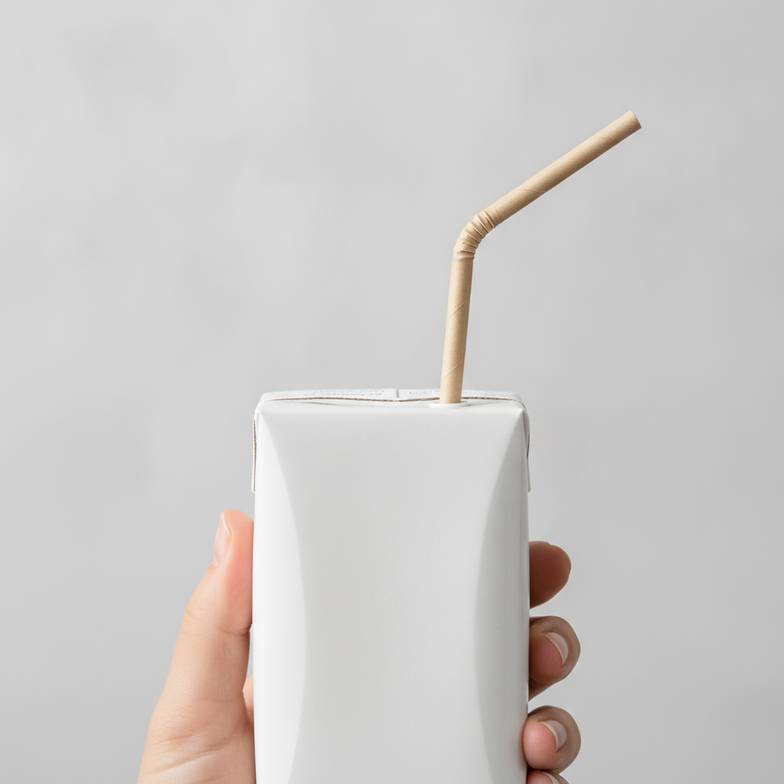
The extended length of telescopic paper straws is all about usability and customer satisfaction. It must be long enough for the end-user to comfortably hold the carton and drink without their face touching the container or the straw annoyingly sinking back inside.
Dive Deeper: Avoiding the 'Awkward Sip'
After ensuring the packed length is correct, your focus must shift entirely to the end-user. A poor drinking experience can lead to negative online reviews and damage brand loyalty, even if your beverage itself is excellent.
The Problem with a Short Straw
We’ve all been there. You punch the straw into the carton, and it feels just a little too short. This creates several issues for the consumer:
- Uncomfortable Angle: They have to tilt the carton to an extreme angle, especially as the liquid level drops.
- The 'Lip-to-Carton' Touch: The user’s lips might touch the top of the carton, which can feel unhygienic or unpleasant.
- Risk of Sinking: A short straw has less leverage and is more likely to fall into the carton, which is the ultimate user frustration.
I remember a client who was hyper-focused on achieving the most compact packed length possible. The result was an extended straw that was only about a centimeter taller than the carton itself. The customer complaints about the "tiny straw" were almost immediate. It’s a classic case of optimizing for one factor (packaging) at the expense of another (usability).
Finding the User-Friendly Sweet Spot
So, how long is long enough? A good rule of thumb is to calculate the ideal extended length like this:
Ideal Extended Length = Carton Height + Comfort Margin
The "Comfort Margin" is the extra length that allows a user to drink comfortably. This margin is typically between 25mm and 40mm.
Let’s apply this with a simple example:
- Your Carton Height: 125 mm
- Desired Comfort Margin: + 35 mm
- Your Target Extended Length: = 160 mm
With a 160mm straw, your customer can hold the 125mm carton easily and drink without their face being pressed against the top. This simple calculation shifts the focus from a purely technical specification to a user-centric one, which is essential for brand success.
What Is the Relationship Between Packed and Extended Length?
It might seem like you should be able to specify any packed and extended length you want. Can't you just have a 90mm packed straw that extends to 200mm? The reality is that these two dimensions are mechanically linked, and trying to achieve an extreme extension ratio can seriously compromise the straw's quality and performance.
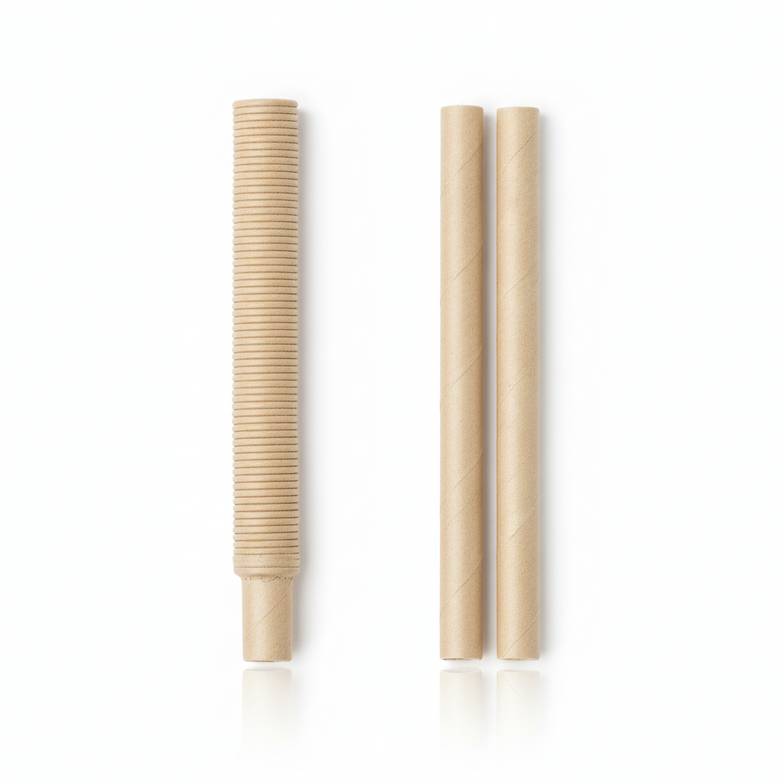
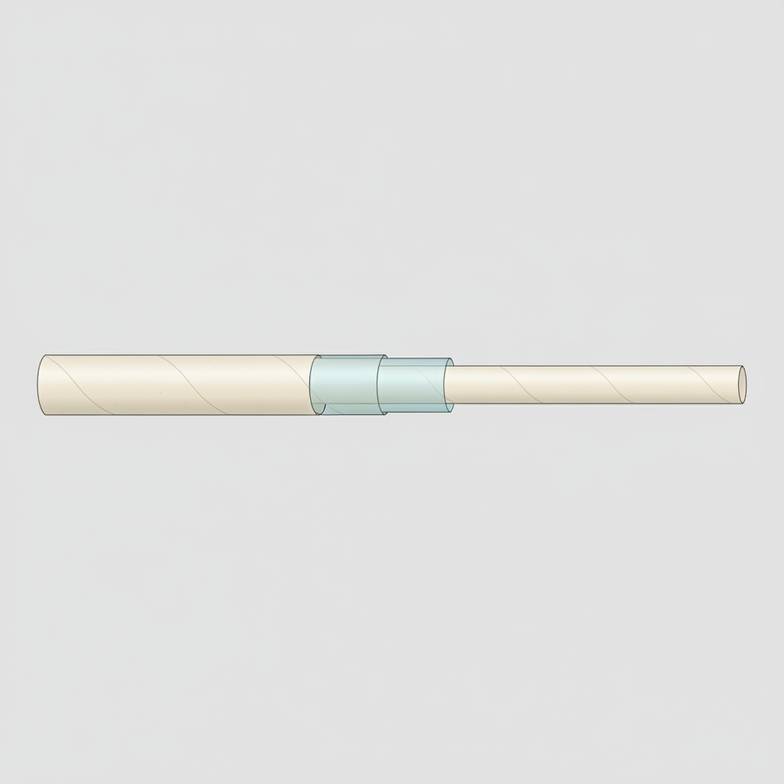
The extension ratio is a direct result of the straw's internal structure—specifically, the number of segments and the amount of overlap between them. Pushing for a maximum extension from a minimum packed length often requires less overlap, which can reduce the straw's rigidity and stability.
Dive Deeper: The Engineering Trade-Off
This is where your specifications meet manufacturing reality. As a supplier, our job is to help you find a solution that meets your packaging needs and user experience goals without creating a flimsy or defective product.
It's All About the Overlap
A telescopic straw works because a narrower inner segment slides out of a wider outer segment. For the straw to be stable and prevent leaks, these segments must have sufficient overlap when fully extended.
- Two-Segment Straws: The most common and cost-effective design. They typically offer an extension ratio between 1:1.5 and 1:1.7. For example, a 100mm packed straw would reliably extend to between 150mm and 170mm.
- Three-Segment Straws: These can achieve higher extension ratios, but they are more complex and expensive to produce. They involve an additional segment, more material, and more precise assembly.
If you have a 100mm packed length limit but need a 200mm extended length for a tall, slim carton, a standard two-segment straw is not the answer. Forcing that extension would reduce the overlap so much that the straw would feel wobbly and might even come apart. In this case, we would need to discuss a three-segment design or re-evaluate the initial length requirements.
From our experience, ensuring proper overlap is non-negotiable for structural integrity. We always advise clients to be realistic about extension ratios. It’s better to have a slightly shorter, rock-solid straw than a long, flimsy one that generates complaints.
The Myth of the "Standard" Telescopic Straw
This brings us back to a core point: there is no such thing as a "standard" telescopic paper straw. The correct product for you is the result of a deliberate decision-making process. The right question to ask a manufacturer isn't "What are your standard sizes?" but rather:
> "Given my carton height of X mm and my maximum packed length of Y mm, what is the most reliable and user-friendly telescopic straw structure you can produce for me?"
This question shows you understand the key trade-offs. The process should look like this:
- Start with the Carton: Measure your carton height and the available space for straw attachment. This gives you your Maximum Packed Length.
- Define the User Experience: Calculate your Ideal Extended Length (Carton Height + 25-40mm).
- Consult Your Supplier: Present these two key numbers to a manufacturer like us. We can then engineer the best possible solution, advising on whether a two-segment or three-segment straw is needed to bridge the gap between your packed and extended length requirements reliably.
Frequently Asked Questions
What is a typical extension ratio for a telescopic paper straw?
For a common two-segment telescopic straw, a ratio between 1:1.5 and 1:1.7 is typical and reliable. For instance, a 100mm packed straw can comfortably extend to 150-170mm. Higher ratios are possible with more complex, multi-segment designs but may impact cost and rigidity.
Can I get a telescopic paper straw for a 1-liter carton?
While technically possible, telescopic straws are rarely used for large 1-liter cartons. These cartons usually feature different opening mechanisms like screw caps. The required extended length would make the straw exceptionally long, potentially compromising its stability and increasing costs significantly.
Does the number of segments affect the cost of the straw?
Yes, absolutely. A three-segment straw is more complex to design and manufacture than a standard two-segment one. It requires more material, additional forming and assembly steps, and tighter quality control, which generally results in a higher per-unit cost.
How do I provide the right specifications to a manufacturer?
To get the most effective solution, start by providing your beverage carton's height and the maximum available surface area for the straw attachment. Then, state your target extended length for an ideal user experience. These key data points allow a manufacturer to propose the best structure for your needs.
Conclusion
Choosing the right dimensions for telescopic paper straws is far more than picking a size from a catalog; it's a careful balancing act between three critical factors: packaging machinery constraints, customer usability, and manufacturing feasibility. The process must always begin with the non-negotiable packed length dictated by your carton and equipment. From there, you can define an extended length that ensures a comfortable and positive customer experience. Working with an experienced supplier to bridge these two requirements is the key to avoiding costly errors and launching a successful product.
Ready to find the perfect fit for your beverage cartons? Contact us today to review your carton specifications. Our team is here to help you configure the ideal telescopic paper straw that works for your production line and delights your customers.
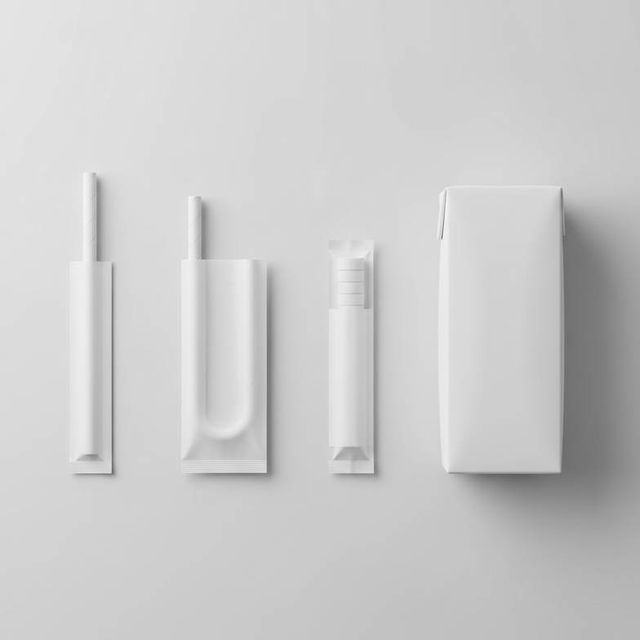
Matched Formats for Beverage Cartons
Attached Paper Straws
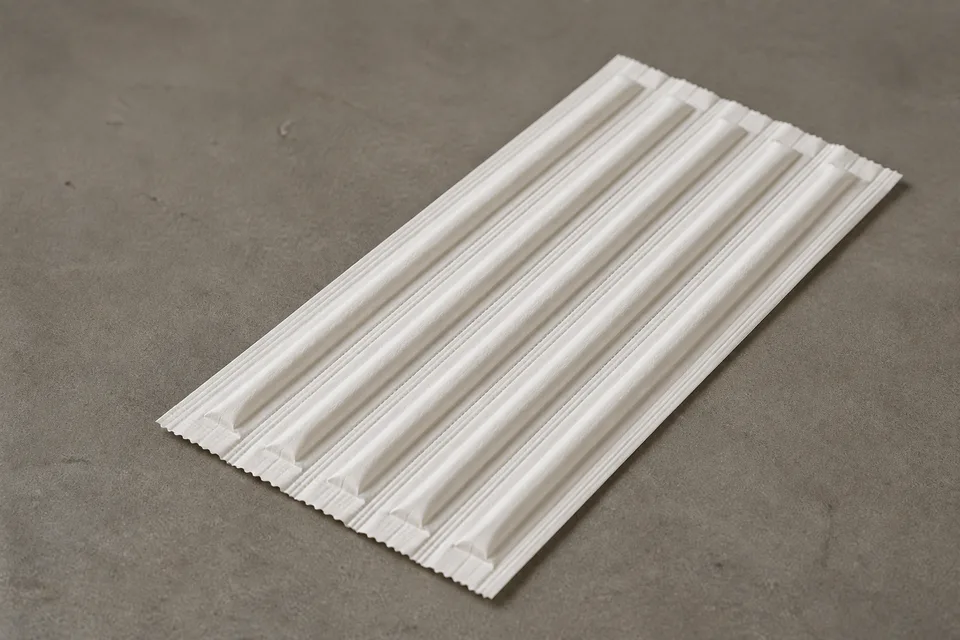
Connected continuous strip for high-speed automatic carton applicators.
View Product Specs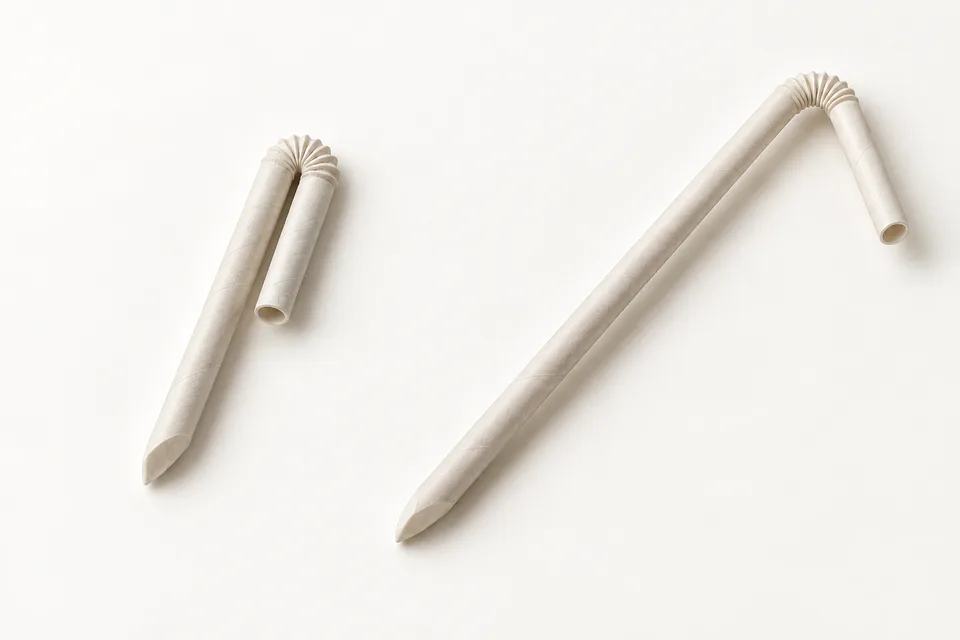
U-Shaped Paper Straws
Folded 180° format maximizing drinking reach on compact beverage cartons.
View Product Specs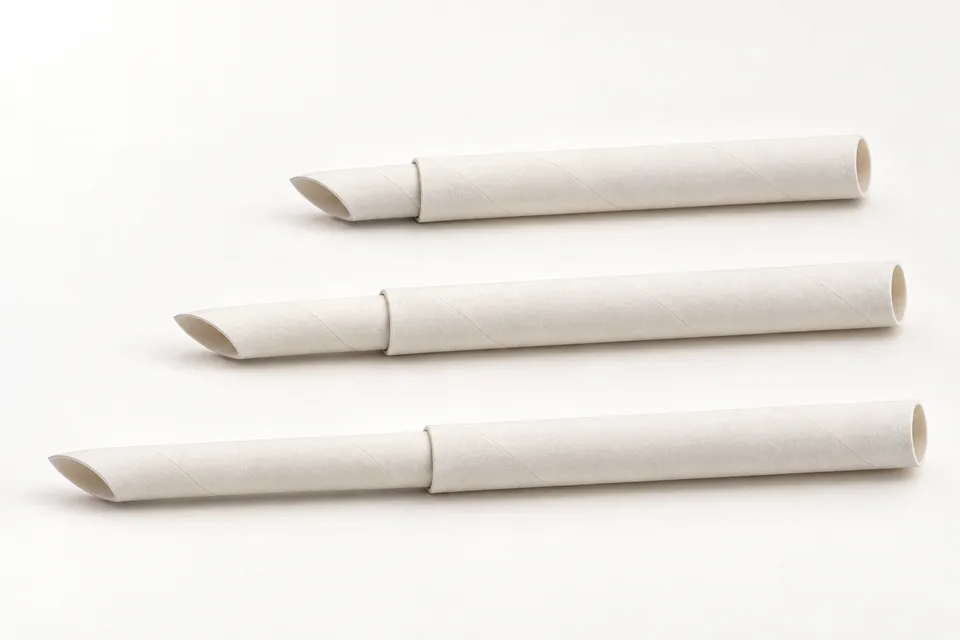
Telescopic Paper Straws
Two-section extendable design offering maximum reach from minimum packed length.
View Product Specs