In This Guide
Sourcing attached paper straws for your beverage cartons seems straightforward until you're faced with technical questions about orientation. You're worried that choosing the wrong "feeding direction" or "reference edge" could bring your entire expensive production line to a grinding halt. The key to avoiding this is understanding that the right choice for an attached paper straw feeding direction is all about matching your specific applicator machine.
The correct attached paper straw feeding direction and reference edge are determined entirely by your straw applicator machine's requirements (e.g., models from SIG, Tetra Pak, IPI). There is no universal "best" option. This is a critical compatibility parameter that your straw supplier must match perfectly to prevent costly production line jams, material waste, and downtime.
It sounds simple, but a mismatch in orientation is one of the most common—and expensive—integration problems we see in the field. Let's break down exactly what these terms mean, why they are so crucial, and how you can ensure a perfect match every single time you order.
What is an Attached Paper Straw Feeding Direction?
Trying to order straws, but the supplier's questions about "left-feed" or "right-feed" seem overly technical? You might be tempted to just take a guess, but that's a risky move. This single detail determines whether a straw can even enter your applicator correctly.
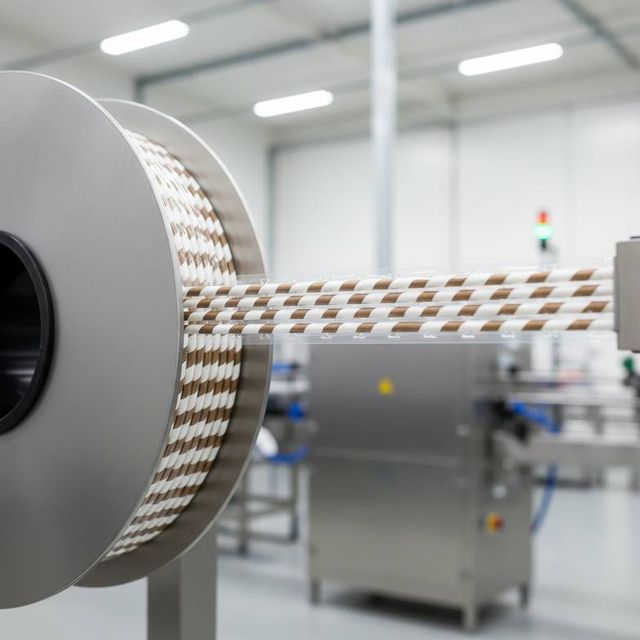
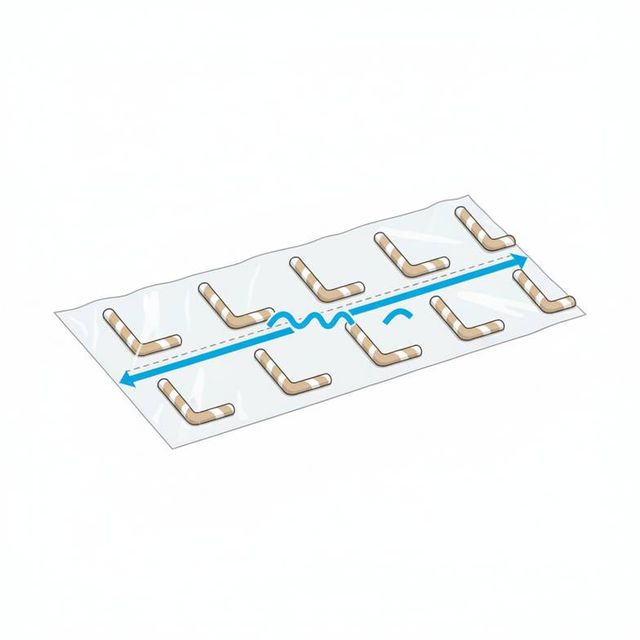
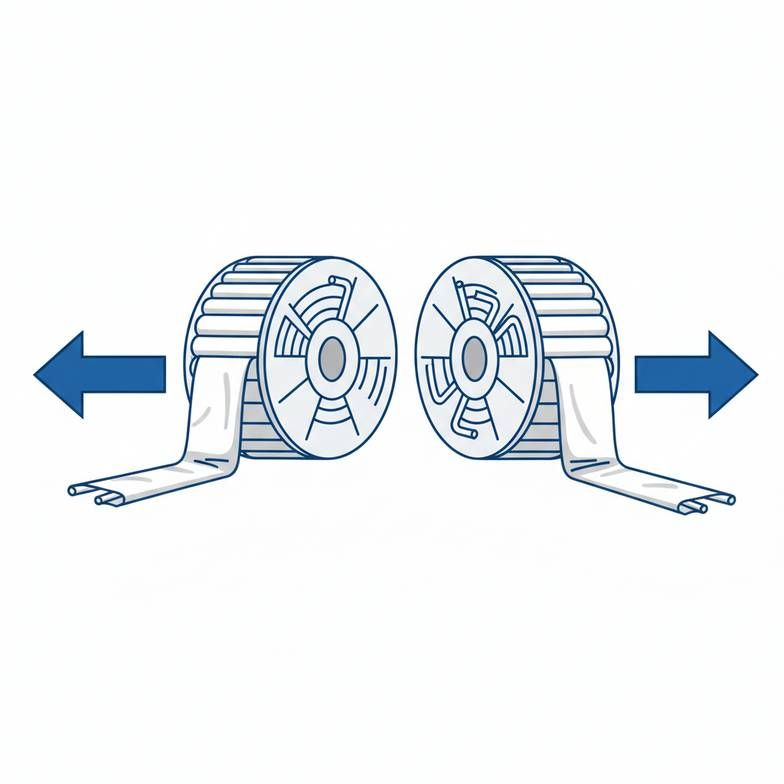
The attached paper straw feeding direction simply refers to whether the open end of the U-shaped straw points to the left or to the right as the continuous reel of straws unwinds into your applicator machine.
Dive Deeper: It’s All About Your Applicator Machine
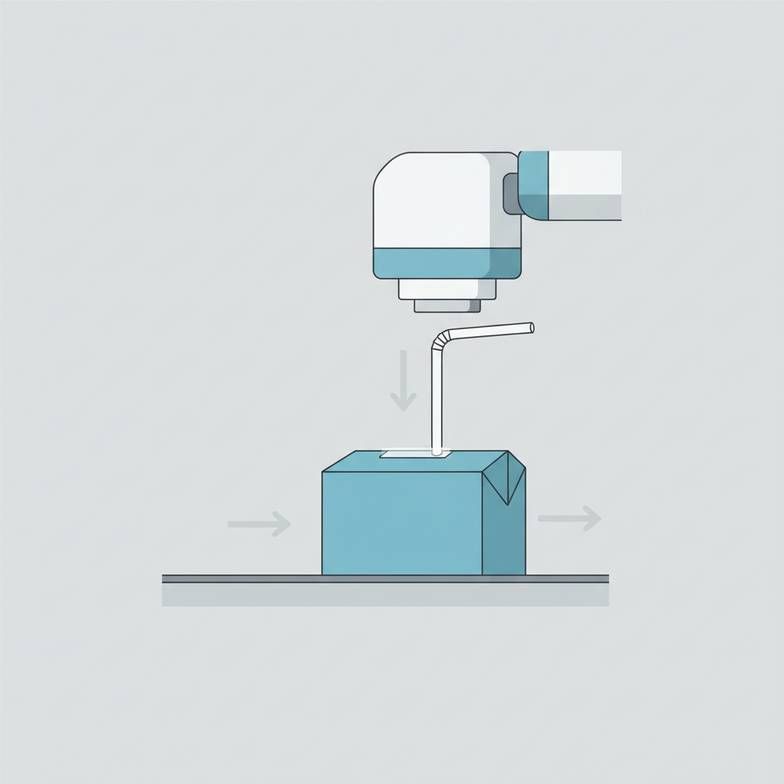
The reason this matters so much is that straw applicator machines are not all built the same. Different brands, and even different models from the same brand, have unique mechanical designs for how they grab, cut, and apply the straw to the carton.
- A left-feeding machine is designed to accept a reel where the straw's opening faces left.
- A right-feeding machine is designed for the opposite, where the straw's opening faces right.
There's no "better" or "worse" direction; it's just a fixed engineering characteristic of your equipment. A machine designed for a left-feed simply cannot physically handle a right-feed reel, and vice versa.
The Real-World Cost of Getting It Wrong
I can't tell you how many urgent calls we've received from production managers whose lines have stopped completely. In my experience, a surprising number of these emergencies trace back to a simple mismatch between the straw reel and the machine's required attached paper straw feeding direction.
When you load the wrong reel, the consequences are immediate and costly:
- Instant Machine Jams: The applicator's mechanical grippers will fail to grab the straw correctly, causing the continuous film to bunch up and jam the system.
- Wasted Materials: The entire reel of straws that was loaded might become unusable due to damage from the jam. This isn't just one straw; it's often thousands.
- Production Line Shutdown: A jam in the straw applicator stops the entire downstream packaging process. Every minute of downtime translates directly into lost output and revenue.
- Operator Frustration and Diagnosis Time: Your team will have to stop production, diagnose the problem, clear the jam, and potentially discard a whole reel of product, all because of an incorrect winding direction.
This isn't a minor quality issue; it's a fundamental compatibility failure.
What is a Straw's Reference Edge?
You've figured out the feeding direction, but now the supplier is asking about the "reference edge." Is this another technical detail you can safely ignore? Unfortunately, it's just as critical for ensuring the straw is placed precisely on the carton every time.
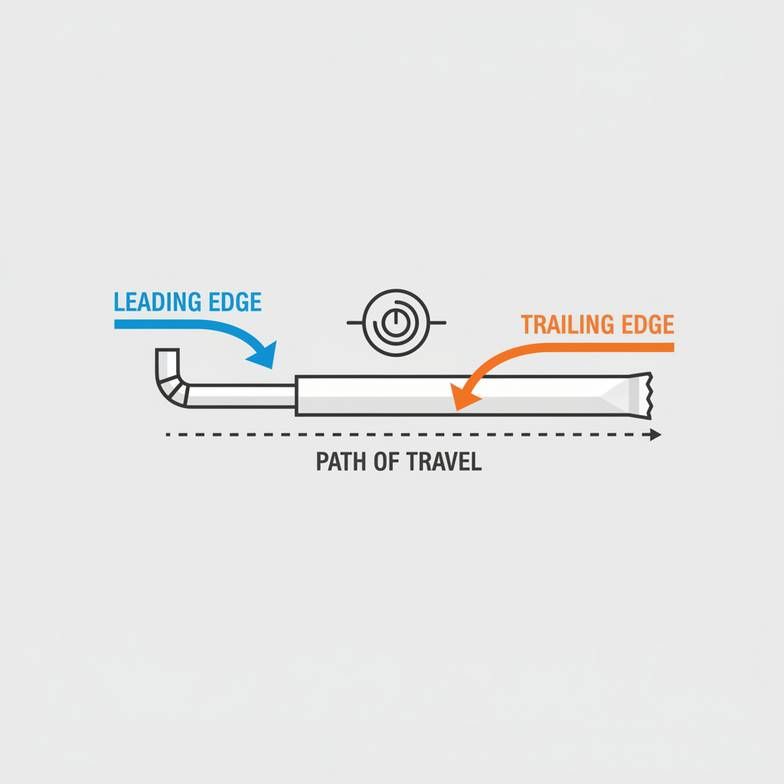
The reference edge is the specific edge of the straw's wrapping film that the applicator machine's sensor uses as a guide to position the straw correctly on the beverage carton before attachment. It can be either the leading edge or the trailing edge.
Dive Deeper: Leading Edge vs. Trailing Edge
To understand this, imagine the continuous strip of wrapped straws moving into the machine.
- Leading Edge: This is the front edge of an individual straw's wrapper as it moves into the machine. It's the first part the sensor "sees."
- Trailing Edge: This is the back edge of the wrapper, which the sensor "sees" last.
Your applicator machine is programmed to use one of these two edges as its timing cue.
The Role of Machine Sensors
High-speed packaging lines rely on incredible precision. Inside your straw applicator, an optical sensor (often called a "photocell" or "photo-eye") is constantly scanning the film. It's looking for a specific registration mark or, more commonly, the edge of the wrapper itself.
- If your machine is set to use the leading edge, it uses the moment it detects that edge to trigger the cutting and application sequence.
- If it's set for the trailing edge, it waits to see that back edge before it acts.
A client once struggled with inconsistent straw placement for weeks. They checked the glue, the machine pressure, and every other setting they could think of. It turned out their previous supplier used a leading edge reference, but the new batch of straws they ordered from another company was wound for a trailing edge reference. The machine's sensor was just getting the timing wrong on every single carton, causing them to be applied crookedly.
A mismatch in the reference edge leads to:
- Inconsistent Placement: Straws are applied too high, too low, or at an angle on the carton.
- Poor Adhesion: If the straw isn't placed flat in the designated area, the hot-melt glue may not create a strong bond.
- Machine Faults: The system may register a fault and stop if it can't confirm proper placement, leading to more downtime.
- Increased Rejection Rate: Cartons with improperly placed straws will fail quality control checks, leading to product waste.
How Do You Guarantee the Correct Attached Paper Straw Feeding Direction?
Worried about memorizing all these technical details and making a costly mistake? The good news is, you don't have to become an expert on straw winding. You just need to know the one critical piece of information to give your supplier.
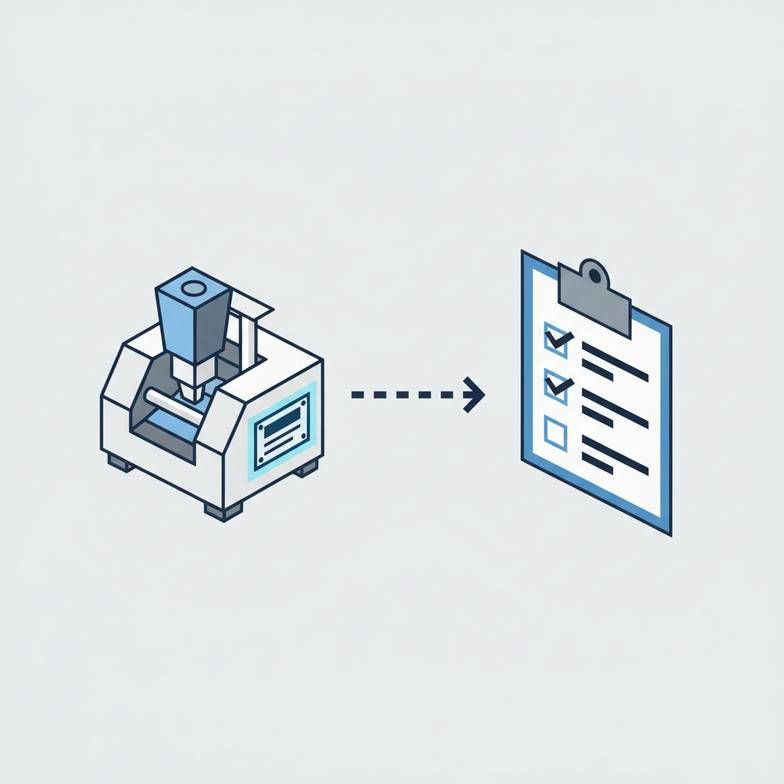
The most reliable way to guarantee the correct attached paper straw feeding direction and reference edge is to provide your supplier with the brand and exact model number of your straw applicator machine.
Dive Deeper: Your Role vs. The Supplier's Role
This process is a partnership, and each side has a clear responsibility.
Your Responsibility as the Buyer: Your job isn't to guess the specs. It's to provide the hard data about your equipment.
- Find the Machine Model: Look for a metal data plate on the body of your straw applicator machine. It will list the manufacturer (e.g., SIG, Tetra Pak, IPI) and the specific model number.
- Take a Photo: Snap a clear picture of this data plate and the machine itself.
- Communicate: Send this information to your straw supplier with your request for a quote.
The Supplier's Responsibility: An experienced supplier will take it from there.
- Cross-Reference: We use the model number to check against our database of machine specifications. We know which models require left-feed vs. right-feed and leading vs. trailing edge references.
- Confirm and Document: We then formalize these specifications in a document for you to approve before production begins.
If a potential supplier doesn't ask you about your applicator machine when you inquire about attached straws, consider it a major red flag. It suggests they don't fully understand the integration risks. We always start this conversation early to prevent problems down the line.
Use a Technical Specification Sheet
For every order, you should confirm the critical orientation parameters in writing. This prevents miscommunication. Here's a simple table you can use to structure the conversation with your supplier:
| Parameter | Your Specification | Example |
|---|---|---|
| Applicator Machine Model | Provide Your Model | Tetra Pak TSA/21 |
| Straw Format | U-Shape, Attached | U-Shape |
| Attached Paper Straw Feeding Direction | Supplier Confirms | Left-Feed |
| Reference Edge | Supplier Confirms | Leading Edge |
| Reel Core Diameter | Provide Your Spec | 6 inches (152 mm) |
| Max Reel Outer Diameter | Provide Your Spec | 450 mm |
This simple checklist ensures everyone is aligned and provides a paper trail to hold your supplier accountable for delivering a compatible product.
Frequently Asked Questions
Can I use straws wound for a Tetra Pak machine on a SIG machine?
Almost certainly not. Applicator machines from different brands, like Tetra Pak and SIG, typically have opposite requirements for straw orientation. You must always order straws that are specified for your exact machine brand and model to ensure compatibility.
What happens if I don't know my applicator machine's model number?
The best course of action is to send clear photos or a short video of the machine to your supplier. An experienced partner, like us at PaperStrawTech, can often identify the machine or its core requirements from visual cues. This is far safer than guessing and risking a production shutdown.
Is one feeding direction more common than the other?
It's not about what's common; it's about what's compatible. Both left-feed and right-feed directions are widely used across the industry on different machine models. There is no single "standard," which is why communicating your specific machine type is so essential.
Does the reference edge change the cost of the paper straw?
No, the cost to manufacture the straw is the same regardless of whether the reference edge is leading or trailing. The real cost impact comes from ordering the wrong one, which leads directly to wasted product, lost production time, and the operational costs of fixing the problem.
Conclusion
The attached paper straw feeding direction and reference edge are not minor technicalities; they are fundamental compatibility requirements that can make or break your production efficiency. A mismatch isn't a small problem—it's an immediate showstopper that results in jams, waste, and expensive downtime. The good news is that avoiding this issue is simple. Your primary responsibility as a buyer is not to be an expert on straw winding, but to clearly communicate your applicator machine's brand and model number to your supplier. An experienced partner will handle the rest, ensuring the straws you receive are perfectly configured for a smooth, efficient, and uninterrupted production run.
Don't leave these critical details to chance. If you're sourcing attached paper straws for your beverage cartons, contact us to review your carton format and applicator requirements. We'll help you configure the perfect straw for a seamless integration.
Matched Formats for Beverage Cartons
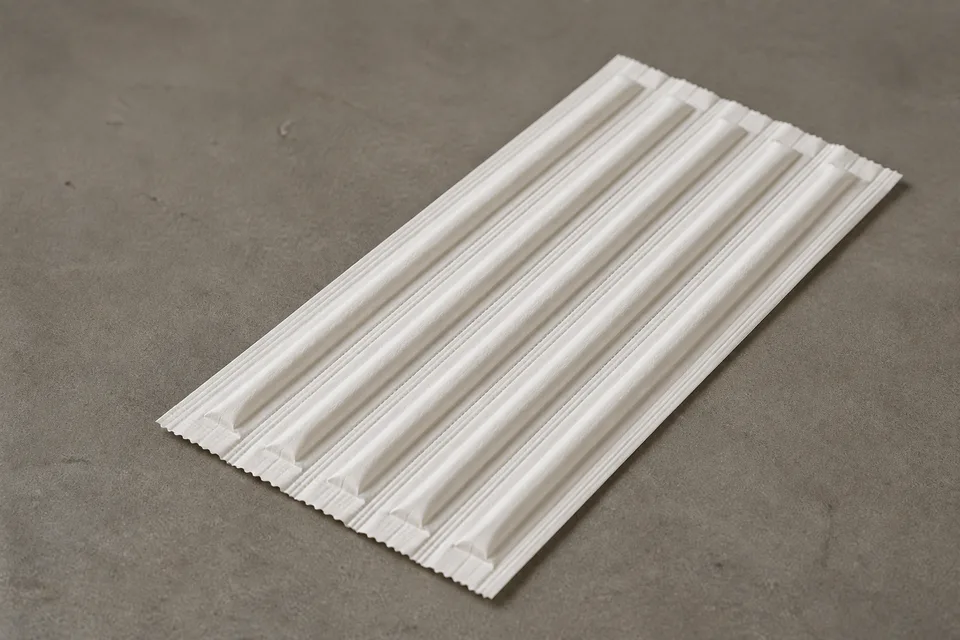
Attached Paper Straws
Connected continuous strip for high-speed automatic carton applicators.
View Product Specs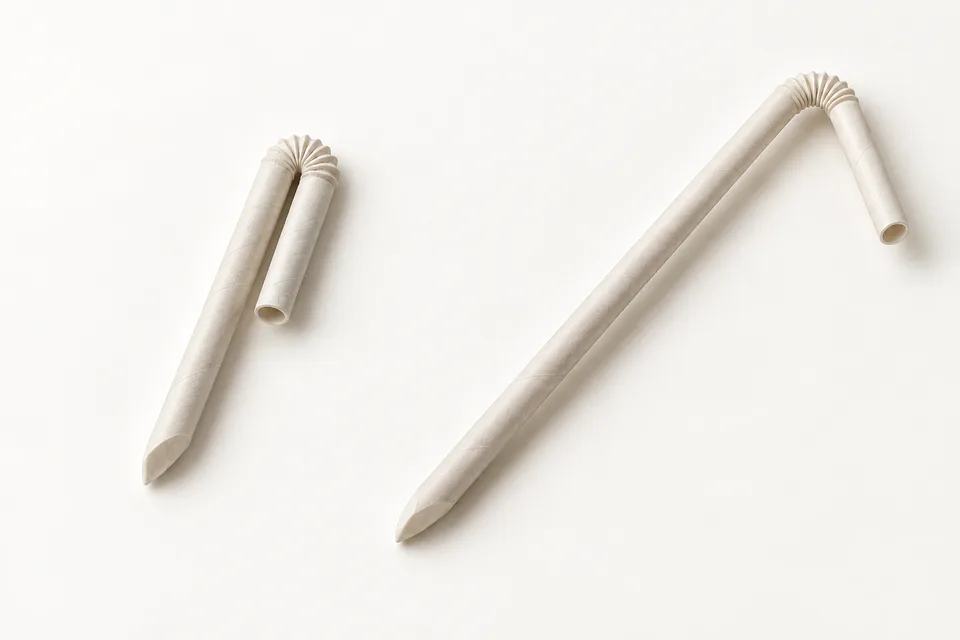
U-Shaped Paper Straws
Folded 180° format maximizing drinking reach on compact beverage cartons.
View Product Specs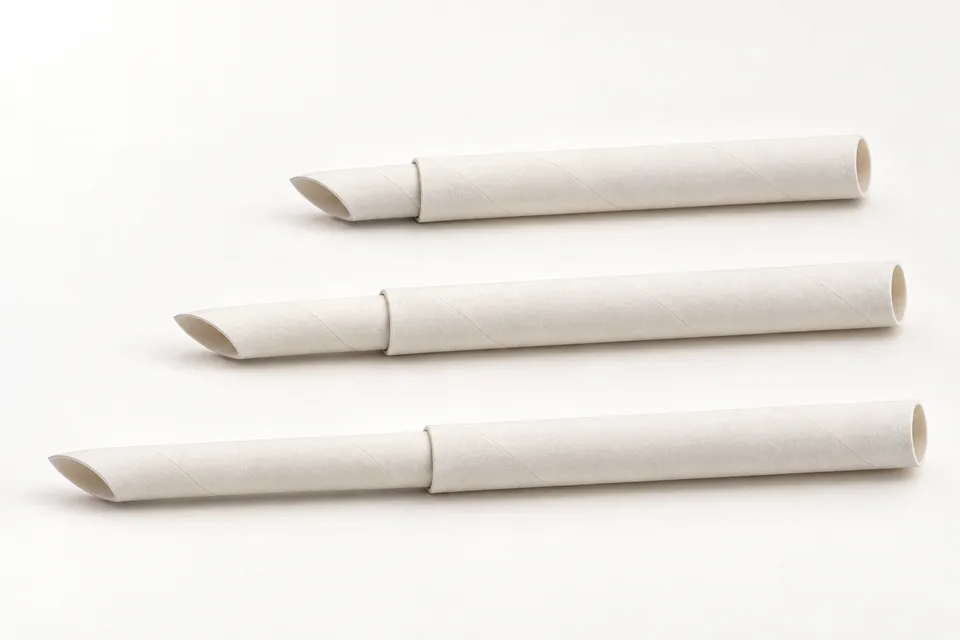
Telescopic Paper Straws
Two-section extendable design offering maximum reach from minimum packed length.
View Product Specs