In This Guide
Feeling the pressure of a stopped production line because of a jammed straw applicator? The problem of calculating the right row pitch for attached paper straws can be frustrating, leading to costly downtime, wasted cartons, and operator headaches. The solution isn't a magic number, but a deeper understanding of how this single specification impacts your entire packaging operation.
In short, there is no universal formula to calculate the row pitch for attached paper straws. The ideal pitch is a carefully determined balance between straw roll density and application reliability. It must be calculated based on your specific carton dimensions, straw applicator model, and target production speed, typically in consultation with an experienced straw supplier.
That might not be the simple answer you were hoping for, but it's the honest one. Instead of searching for a single number, the key is to learn which questions to ask. Let's break down the factors that truly matter so you can de-risk your procurement and keep your lines running smoothly.
Why Is There No "Standard" Row Pitch for Attached Paper Straws?
It can be baffling when you ask for a simple specification and get "it depends" in return. You just want a number to put on a purchase order, but a good supplier will push back. Why? Because giving you a "standard" number without knowing your setup is a recipe for failure.
The ideal row pitch for attached paper straws is unique to each production line because it’s defined by the precise interplay between your straw applicator's mechanics, the straw's own dimensions, and the available "real estate" on your beverage carton. It's a custom fit, not a one-size-fits-all component.
The Applicator Machine Is King
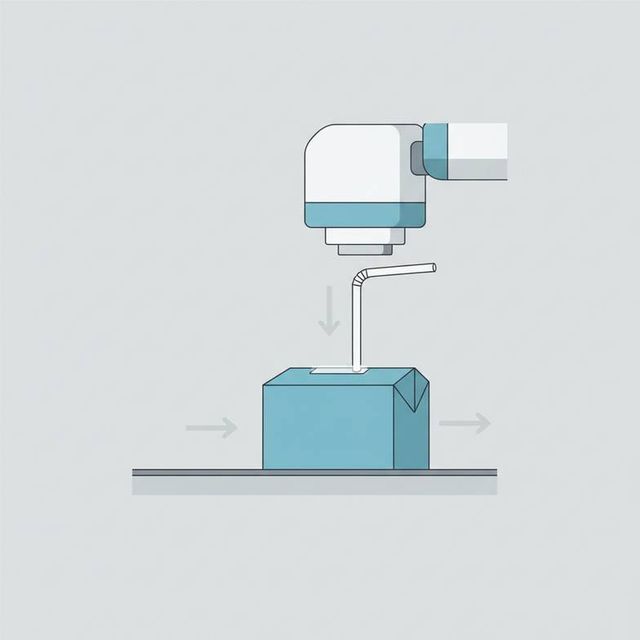
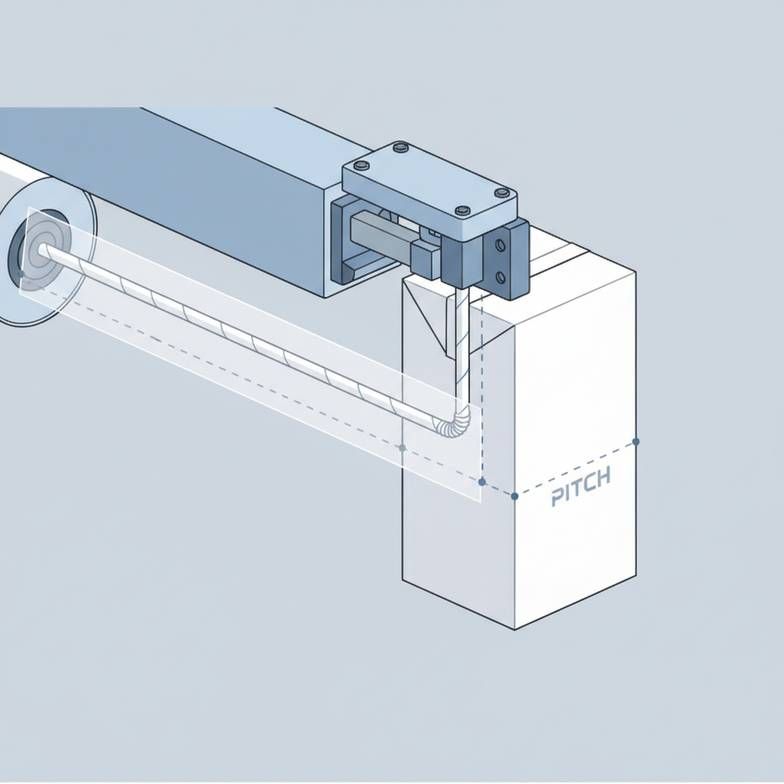
The single most important factor is your straw applicator. Different machines have different mechanisms for separating and applying straws, and these directly influence the minimum safe distance needed between each one.
A common question we get from juice and dairy producers is about the differences between applicator types. Let's be real, the details matter.
- Drum-Style Applicators: These often use a rotating drum with suction to pick up a straw, cut the film, and place it on the carton. The cutting mechanism is critical here. If the blade that separates one straw from the roll comes too close to the next one, it can easily nick the wrapping film, leading to a jam on the next cycle.
- Belt-Style or Plunger-Style Applicators: These might use a different method to feed and cut the straw chain. Some rely on perforations in the film between straws that are "snapped" apart. If the pitch is too tight, the separation force can pull or damage the next straw in line before it's ready.
When a client reports application issues, the first thing we check is their applicator model. The manufacturer's specifications provide a baseline, but real-world conditions, like wear and tear or minor calibration drifts, mean we often need to build in a small safety margin.
Carton Real Estate and Straw Dimensions
Your beverage carton isn't a blank canvas. It has folds, seams, logos, and nutritional information that you can't cover up. The flat, available surface area where the straw can be applied is your "landing zone." The row pitch on the roll must translate to a successful placement within this zone, every single time, at high speed.
Here’s how the straw itself plays into this:
- Straw Footprint: The length of the U-shaped or telescopic straw and, crucially, the width of its individual wrapping film create a "footprint." A wider wrapping film inherently requires a wider pitch, even if the straw itself is the same size.
- Adhesive Area: The hot-melt glue needs a clean surface to bond. If the pitch is wrong, the straw might be applied too close to a carton seam, resulting in a weak bond and straws falling off during transit—a quality control nightmare.
In our experience, the best approach is to get a physical sample or a technical drawing of the carton. We can then map out the exact placement and work backward to recommend a safe and effective pitch.
How Does Pitch Impact Production Line Efficiency?
There's a constant temptation to go with the tightest pitch possible. The logic seems sound: a tighter pitch means more straws per roll, which means fewer roll changes and less downtime for your operators. But this thinking is a classic trap.
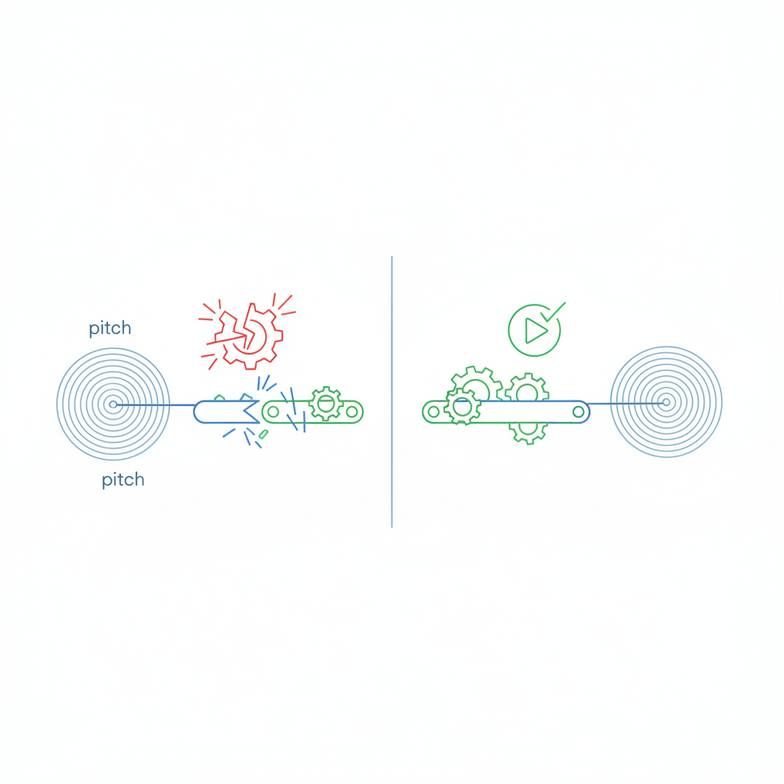
A poorly chosen row pitch for attached paper straws directly attacks your Overall Equipment Effectiveness (OEE). While a tight pitch might look good on paper by increasing roll density, it dramatically increases the risk of jams, misapplications, and material waste, often resulting in lower overall output due to constant interruptions.
")
The Trade-Off: Roll Density vs. Application Reliability
The core decision you're making is a trade-off between how many straws you can fit on a roll and how reliably they apply to the carton. I've seen it happen many times: a customer insists on an aggressive pitch to save a few seconds on roll changes, only to find their line stops every 15 minutes to clear a jam.
Let's compare the two approaches:
| Feature | Aggressive (Tight) Pitch | Conservative (Safe) Pitch |
|---|---|---|
| Straws per Roll | Higher | Lower |
| Roll Changeovers | Less Frequent | More Frequent |
| Jam/Misapplication Risk | High | Low |
| Material Waste | Potentially High | Low |
| Operator Intervention | Frequent | Infrequent |
| Overall Throughput | Often Lower | Often Higher |
As you can see, the "efficiency" of a tight pitch is often an illusion. What you gain in roll density, you lose many times over in unplanned stops.
Calculating the True Cost of Downtime
Think about what happens when a straw jams. The line stops. An alarm sounds. An operator has to leave their station, walk over to the applicator, open it, clear the mangled straw and film, reset the machine, and restart the line. This might take two to five minutes.
During that time:
- Production ceases: You're not making any product.
- Waste occurs: Several cartons on the conveyor might need to be manually rejected because they don't have a straw.
- Risk increases: Rushing to clear a jam can lead to safety issues or improper resets that cause another jam just minutes later.
I remember a client at a large dairy who was focused on maximizing straws per roll. After switching to a slightly wider, more conservative pitch we recommended, their roll changeover time increased by about 10 minutes per shift. However, their unplanned downtime from straw jams dropped by over an hour per shift. Their net output went up by nearly 8%. A "safer" pitch is almost always more profitable than an overly aggressive one.
What Information Should You Give Your Supplier for a Good Recommendation?
So, if you can't just ask for a number, what should you do? The goal is to shift from asking a question to providing information. When you give your supplier the right context, you empower them to become a partner in solving your problem.
Instead of asking "What is the correct pitch?" you should provide your carton specifications, applicator details, and production goals. The right question to ask is, "Based on our specific setup, what row pitch for attached paper straws do you recommend to balance production efficiency and application success?"
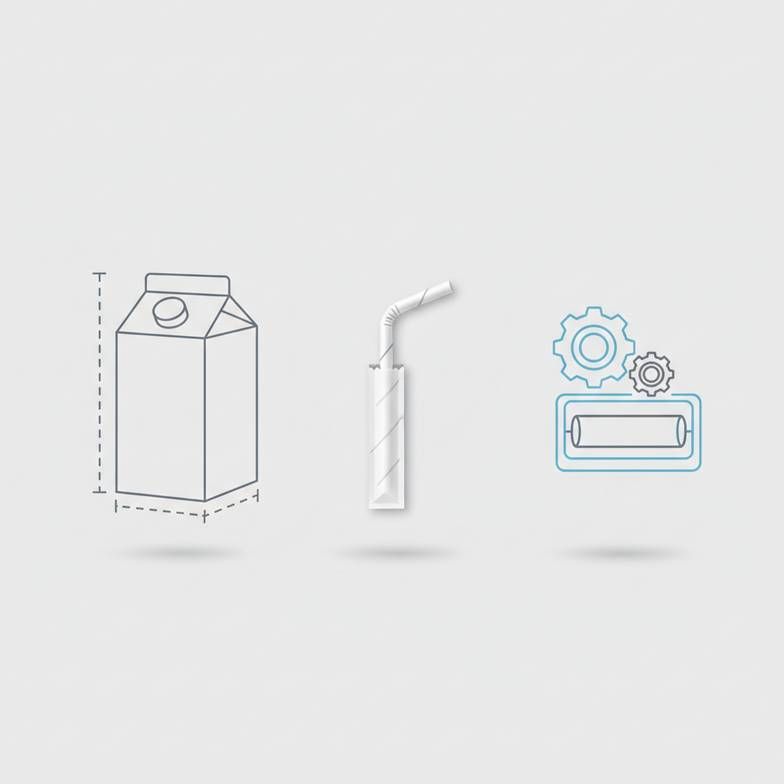
The Essential Information Checklist
When you contact a supplier like us, having this information ready will make the process faster and far more effective.
- Carton Specifications: The best thing you can provide is a physical sample of your beverage carton. If that's not possible, a technical drawing (like a PDF or CAD file) showing dimensions (L x W x H) and the desired application area is essential. Be sure to mark the location of any seams, major graphics, or folds near the target zone.
- Straw Applicator Details: The manufacturer and exact model number are critical. This tells us almost everything we need to know about the separation mechanism. If you don't know the model, a short video of the machine in operation can be incredibly helpful.
- Desired Straw Specifications: What kind of straw do you need? Let us know the desired format (e.g., U-shape, telescopic), length, and diameter.
- Production Targets: What is your target line speed in cartons per minute or hour? Higher speeds place more stress on the application process and often require a slightly wider, more forgiving pitch to maintain reliability.
- Current Issues (if applicable): If you're looking to replace an existing straw, tell us about the problems you're having. Are straws being applied crooked? Are you getting a lot of jams? Is the wrapping film tearing? This information is gold for troubleshooting.
The Critical Role of Testing and Samples
Any recommendation from a supplier, no matter how experienced, is still a hypothesis until it's proven on your line. That's why the final step should always be testing.
We always provide a trial roll of straws made to the recommended specifications. Running this sample roll on your actual production line, at your target speed, is the ultimate validation. It allows you to confirm that the straws separate cleanly, apply accurately, and bond securely without causing interruptions. In my career, I can say with confidence that this simple validation step prevents nearly all downstream headaches. It turns a procurement decision from a guess into a verified solution.
Frequently Asked Questions
What is "row pitch" in the context of attached paper straws?
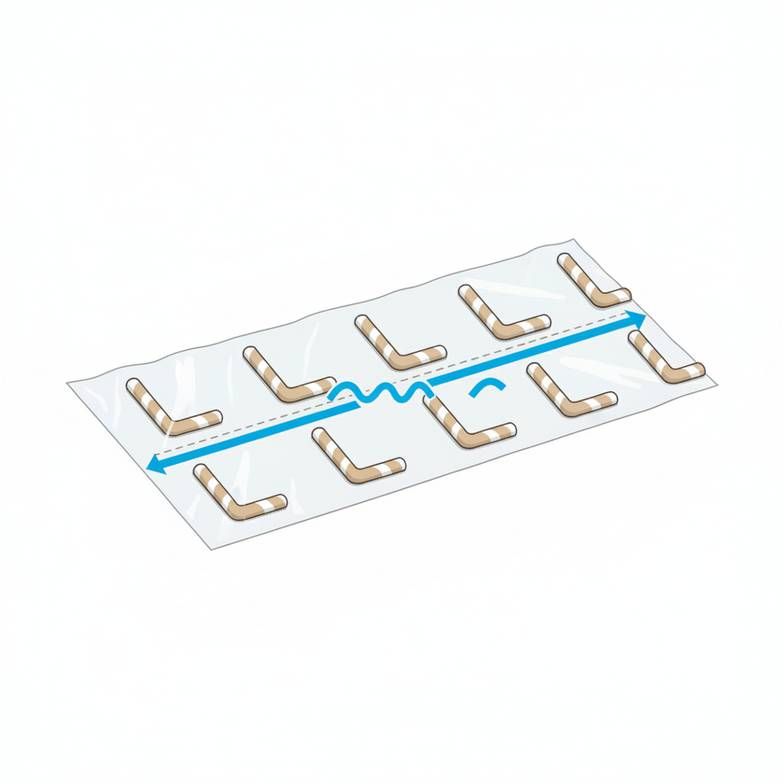
Row pitch is the center-to-center distance between two adjacent paper straws when they are attached in a continuous roll of wrapping film. It's a critical dimension that ensures straws are fed and applied correctly by an automated applicator machine on a packaging line.
Can I use the same row pitch for U-shaped and telescopic straws?
Not always. Even if the straws have the same length, their folded shape, the wrapping film width, and the specific requirements of the applicator might differ. A telescopic straw may have a different "footprint" than a U-shaped one, potentially requiring a modified row pitch for optimal application.
Does a tighter row pitch make the straws cheaper?
While a very tight pitch might slightly reduce the cost per straw by using marginally less wrapping film, this minimal saving is almost always erased by the significant financial costs of production downtime, wasted products, and increased operator intervention caused by application failures.
How much space is needed between straws on the roll?
The minimum gap depends entirely on the applicator's cutting or separation mechanism. The goal is to leave enough space so that when one straw is separated, the tool doesn't damage the wrapping film of the next straw in line. This is a key parameter we determine based on your machine's design.
Conclusion
Ultimately, calculating the row pitch for attached paper straws is less about math and more about risk management. It’s a strategic decision that directly influences your production line's stability and profitability. Ditching the search for a single "standard" number and instead focusing on a collaborative process with your supplier is the key to success. By providing detailed information about your carton, applicator, and production goals, you can arrive at a solution that prioritizes smooth, reliable operation over the false economy of a dense roll.
Finding the optimal row pitch for attached paper straws is crucial for maintaining high OEE and minimizing waste on your packaging line. If you're ready to move from guesswork to a verified solution, we're here to help.
Contact us today to request samples or submit your carton specifications. Let's work together to configure a complete paper straw solution that runs perfectly with your equipment.
Matched Formats for Beverage Cartons
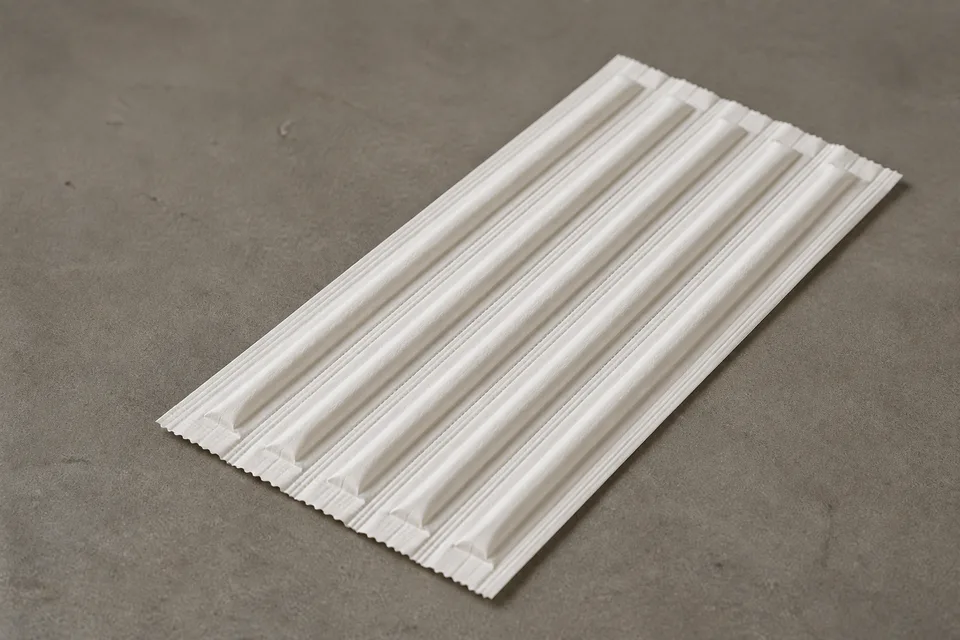
Attached Paper Straws
Connected continuous strip for high-speed automatic carton applicators.
View Product Specs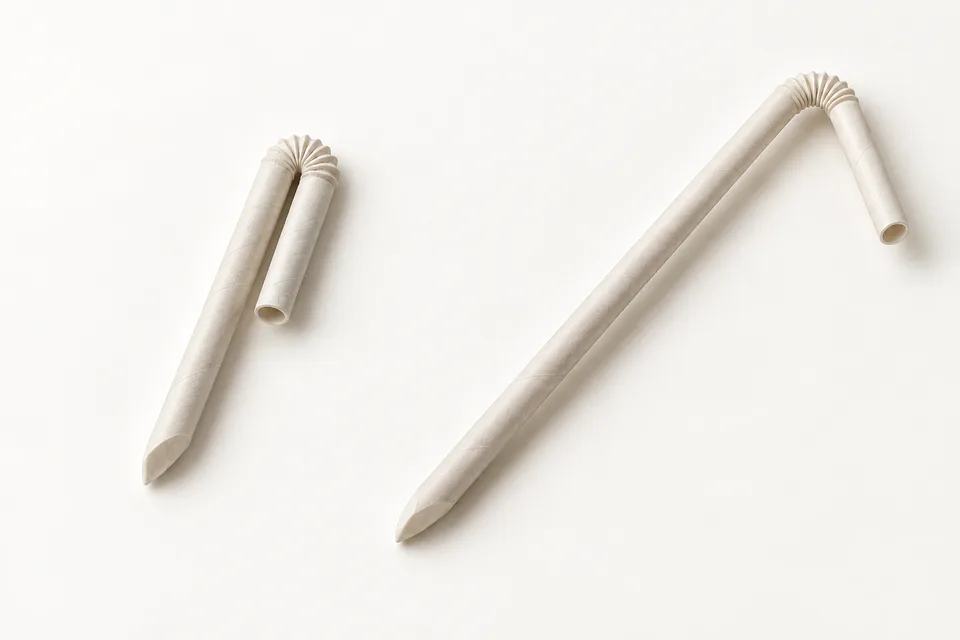
U-Shaped Paper Straws
Folded 180° format maximizing drinking reach on compact beverage cartons.
View Product Specs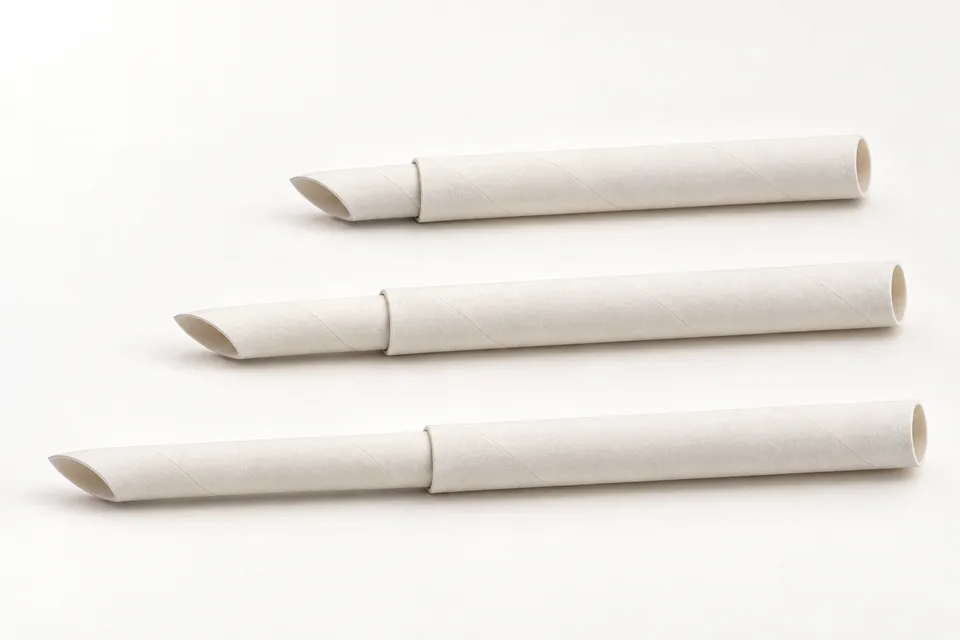
Telescopic Paper Straws
Two-section extendable design offering maximum reach from minimum packed length.
View Product Specs