In This Guide
Is there anything more frustrating than a production line stoppage? You're running smoothly, hitting your targets, and then the alarm sounds. The culprit, once again, is a double feed in your attached paper straw applicators. This one small issue creates waste, lowers your efficiency, and forces your team into a cycle of constant troubleshooting. The solution isn't about finding a single magic button on the machine, but about adopting a systematic approach to find the true root cause.
To prevent double feeding in attached paper straw applicators, you must diagnose the entire system, not just the machine. This involves verifying the dimensional consistency of your paper straws, managing static electricity from the wrapping material, controlling humidity in your storage environment, and correctly calibrating the applicator’s picker mechanism, including vacuum pressure and alignment.
This might sound complicated, but it's a straightforward diagnostic process. When you look beyond the machine itself, you start to see how the straw, the environment, and the applicator work together as a system. Let's walk through the steps we take when we help a client solve this exact problem.
Is the Problem Really with Your Attached Paper Straw Applicators?
You've blamed the machine, your operators have tweaked the settings, and you may have even called a service technician. Yet, the double feeds continue. It’s a frustrating situation when the most obvious suspect—the applicator—isn't the source of the problem.
The truth is, the root cause often lies upstream with the paper straws themselves. When a client calls us with a double-feeding issue, the very first thing we ask about is the straw. Inconsistent dimensions, poor rigidity, or a lack of straightness can make it impossible for even a perfectly tuned applicator to function correctly.
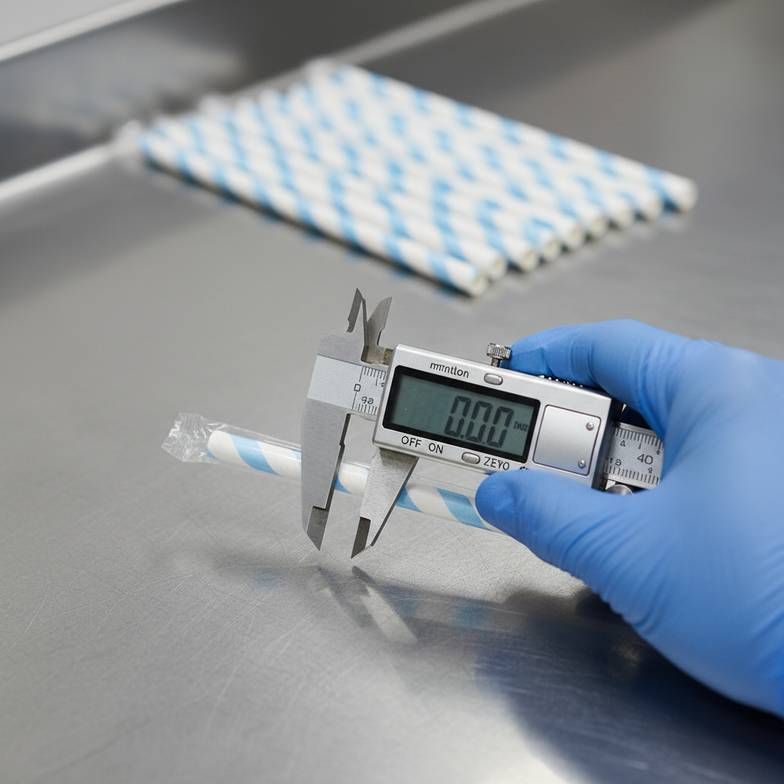
Dive Deeper: It Starts with the Straw
Think of the applicator's picker head as a precision tool. It's designed to pick up one object of a specific size and shape. If the objects it's trying to pick up are inconsistent, it's going to fail.
The Critical Role of Dimensional Tolerance
When we talk about tolerance, we're talking about tiny measurements that have a huge impact. Let's say your applicator is set up for a straw with a 4.0mm diameter. If your supplier delivers a batch where many straws are 3.8mm, problems can start. Two slightly smaller straws might fit into the space meant for one, especially if they are clinging together.
The same goes for length. If a straw is shorter than specified, the picker head might overshoot slightly and make contact with the next straw in the magazine, pulling two at once. This is why a consistent, reliable supplier is your first line of defense. When sourcing straws, you need to ask for their exact specifications.
Key Straw Specifications to Verify:
- Length Tolerance: What is the acceptable variation (e.g., ±0.5mm)?
- Diameter Tolerance: How consistent is the outer diameter (e.g., ±0.1mm)?
- Straightness Standard: Are the straws guaranteed to be straight, without any bend or curve?
- Material Rigidity: How many paper layers are used, and what is the paper weight (GSM)? A flimsy straw can bend or crush during the picking process.
I remember working with a juice company that was having endless double-feed errors on their carton packaging line. They were convinced their applicator was failing. After a quick review, we asked for samples of their straws. We measured twenty of them and found that the length varied by over 1.5mm from straw to straw. Once they switched to a supplier with tighter quality control, the problem disappeared overnight. The machine was never the issue.
How Can Straw Wrapping and Storage Cause Double Feeding?
So, you've confirmed your straws meet the correct dimensional specifications. The next place we look is something most people overlook: the individual straw wrapper and the environment where you store your straws. It seems minor, but these factors are a huge source of double-feeding problems.
The issue comes down to two invisible forces: static electricity and humidity. The material used for the straw's wrapper can generate static, causing straws to physically cling together like magnets. At the same time, because paper absorbs moisture from the air, high humidity can cause straws to swell and stick, leading to jams in the applicator's magazine.
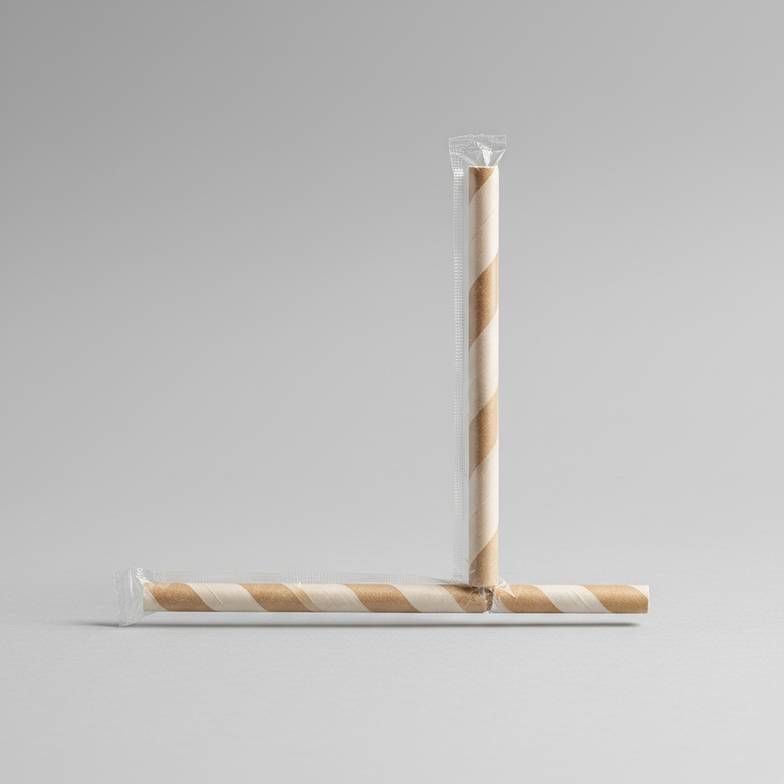
Dive Deeper: Invisible Forces Causing Real Problems
When you're dealing with thousands of straws an hour, even a small amount of "stiction" can cause significant downtime. Here’s how to manage these environmental and material-related factors.
The Silent Killer: Static Electricity
Static is a bigger deal than you might think, especially in dry climates or during winter months when indoor heating lowers the humidity. Certain plastic films and even some types of paper used for wrapping are prone to generating a static charge as they slide against each other in the box and in the machine's magazine. This charge is strong enough to make one straw's wrapper stick to its neighbor. When the picker head comes down, it can't separate them and grabs two.
When you're evaluating a straw supplier, ask them about their wrapping material. We often recommend using paper wrappers over film when possible, as they tend to generate less static. If film is necessary, ask if they use an anti-static variety.
Humidity: The Invisible Swell Factor
Paper is a natural material, and it's hygroscopic, meaning it absorbs moisture from the ambient air. If you store your paper straw cartons in a damp or humid area of your factory, the straws will slowly absorb that moisture and swell. The change is microscopic—you wouldn't notice it by eye—but it's enough to make the straws fit too tightly in the applicator's magazine. Instead of sliding smoothly, they wedge together.
We've seen factories dramatically reduce double-feeding issues just by changing their storage practices. Here is a simple comparison:
| Factor | Bad Practice (Causes Double Feeds) | Good Practice (Prevents Double Feeds) |
|---|---|---|
| Wrapping Material | Using a low-quality film prone to static build-up. | Specifying anti-static wrapping paper or film from your supplier. |
| Storage Location | In a damp corner or near a loading dock with open doors. | In a climate-controlled area with relative humidity (RH) between 40-60%. |
| On-Line Staging | Opening cartons and loading magazines long before they are needed. | Following a just-in-time approach, bringing new straws to the line as needed. |
| Acclimatization | Moving straws directly from a cold warehouse to a warm production floor. | Allowing cartons to sit in the production area for 24 hours to acclimate. |
Taking control of your storage environment is a low-cost way to improve the performance of your attached paper straw applicators.
What Machine Adjustments Impact Double Feeding in Attached Paper Straw Applicators?
After you've ruled out issues with the straws and their storage, it’s finally time to look at the machine itself. It can be tempting to start adjusting every setting, but randomly turning knobs usually makes things worse. You need to focus on the specific parts of the applicator that are responsible for picking one—and only one—straw.
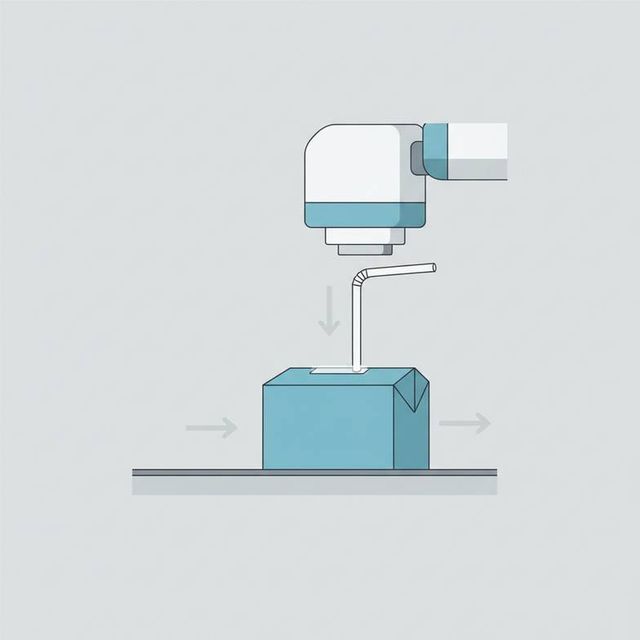
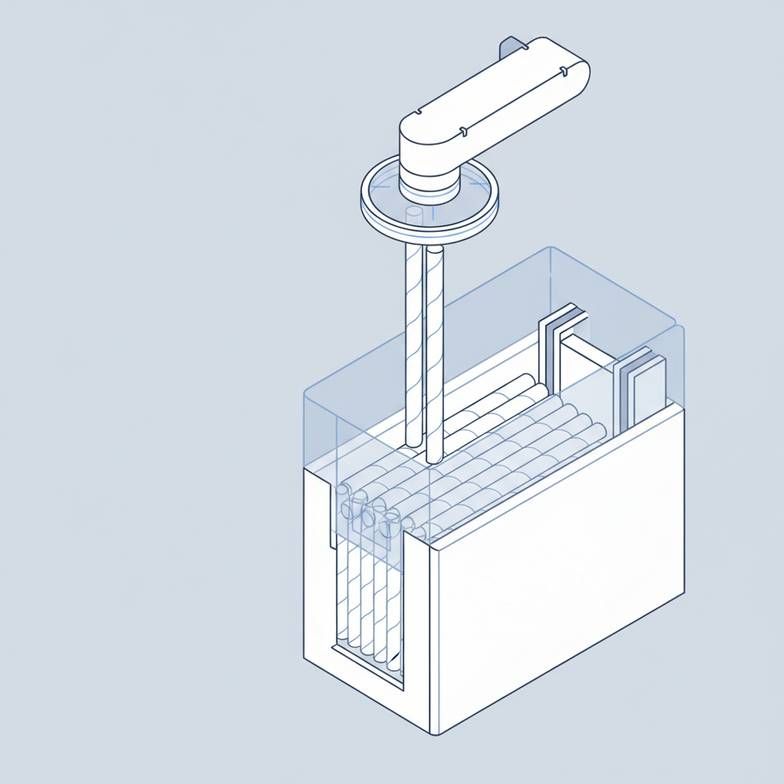
In our experience, the most critical adjustments on attached paper straw applicators involve the picker mechanism. You should focus your attention on three key areas: the vacuum pressure, the physical condition of the suction cup or picker head, and the alignment of the straw magazine. An incorrect setting or a worn part here is a direct and common cause of double feeding.

Dive Deeper: Fine-Tuning the Machine
Even with perfect straws, a poorly maintained or incorrectly calibrated machine will struggle. Here’s a simple diagnostic checklist for the applicator.
Dialing in the Vacuum Pressure
Most applicators use a vacuum-powered suction cup to lift the straw. Getting the pressure right is a balancing act.
- Too Low: If the vacuum pressure is too weak, it won't create a good seal on the straw wrapper, leading to missed picks and line stoppages.
- Too High: If the pressure is too strong, it can create so much suction that it "leaks" and pulls the next straw along with the target straw. This is especially true if there's any static holding the straws together.
Your machine's manual should provide a recommended pressure range. Start there, and make very small adjustments until you find the sweet spot for your specific straws.
Wear and Tear on Picker Heads
The suction cup on the picker head is a consumable part. It’s made of rubber or silicone, and over millions of cycles, it wears down. The lip can become hardened, cracked, or deformed. When this happens, it can no longer create a perfect seal on the straw. This leads to inconsistent picking and can be a sneaky cause of double feeds.
Operators should be trained to visually inspect the suction cup at the beginning of every shift. It's a cheap part to replace, and doing so as part of a preventative maintenance schedule can save hours of downtime.
Magazine and Separator Alignment
The magazine is the component that holds the stack of straws and presents them to the picker. It must be perfectly aligned. If it's tilted or off-center, straws won't sit flat, making it easy for the picker to grab two. Furthermore, many machines have a small mechanical "separator" that physically isolates the top straw. If this part is worn or misaligned, it can fail to do its job.
When we help a customer set up a new paper straw production line, we don't just focus on the big machines. We help them create simple, repeatable checklists for operators. Before every run, they check these three things: vacuum pressure, picker condition, and magazine alignment. This proactive habit solves 90% of applicator problems before they start.
Frequently Asked Questions
Can an "anti-double-feed" feature on a machine solve this problem completely?
It can certainly help, but it's not a complete solution on its own. These features, often using air jets or mechanical separators, are designed to combat the issue. However, their effectiveness depends entirely on the properties of your straws and wrappers. Always test your specific straws on the machine before relying on this feature.
How much do straw dimensions really matter?
They matter immensely. A variation of even a fraction of a millimeter in length or diameter can be the difference between a smooth, efficient run and a day full of stoppages. Consistency from your straw supplier is one of the most important factors for reliable production.
Is static electricity a bigger problem in certain climates?
Absolutely. Static is much more common in dry environments. This includes arid climates as well as any facility during the winter when indoor heating systems reduce the ambient humidity. If you operate in these conditions, paying extra attention to anti-static wrapping materials is critical.
How often should I replace the suction cup on my applicator?
This depends on your production volume, the machine manufacturer's recommendations, and the material of the cup itself. Instead of waiting for it to fail, we recommend treating it as a regular preventative maintenance item. A daily visual inspection is a good habit, with replacement scheduled monthly or quarterly depending on use.
Conclusion
Preventing double feeds is rarely about finding one quick fix. As we've seen, it's a system-wide issue. The problem could be inconsistent straw dimensions, static from the wrapper, humidity in your warehouse, or a worn-out part on the machine. By shifting your focus from just blaming the machine to diagnosing the entire process, you can find the true root cause and implement a lasting solution. A successful operation depends on the quality of your straws, your handling procedures, and the maintenance of your attached paper straw applicators.
If you're tired of troubleshooting these persistent issues and want a partner who understands the complete system—from raw materials to finished product performance—we're here to help. Contact PaperStrawTech today to request samples for testing, discuss your specific straw requirements, or get a consultation for your paper straw manufacturing project. Let's work together to make your production line run smoothly.
Matched Formats for Beverage Cartons
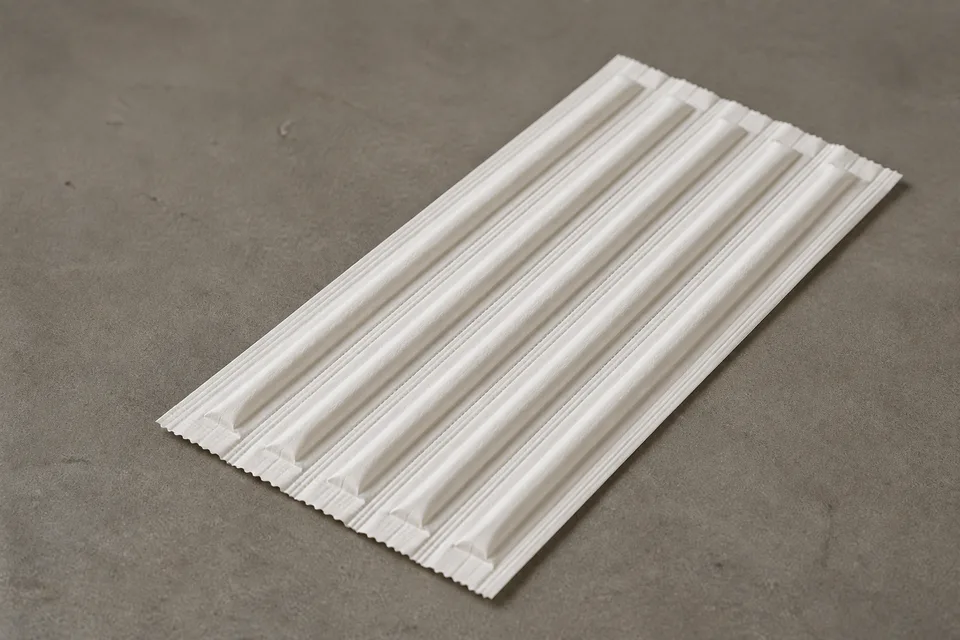
Attached Paper Straws
Connected continuous strip for high-speed automatic carton applicators.
View Product Specs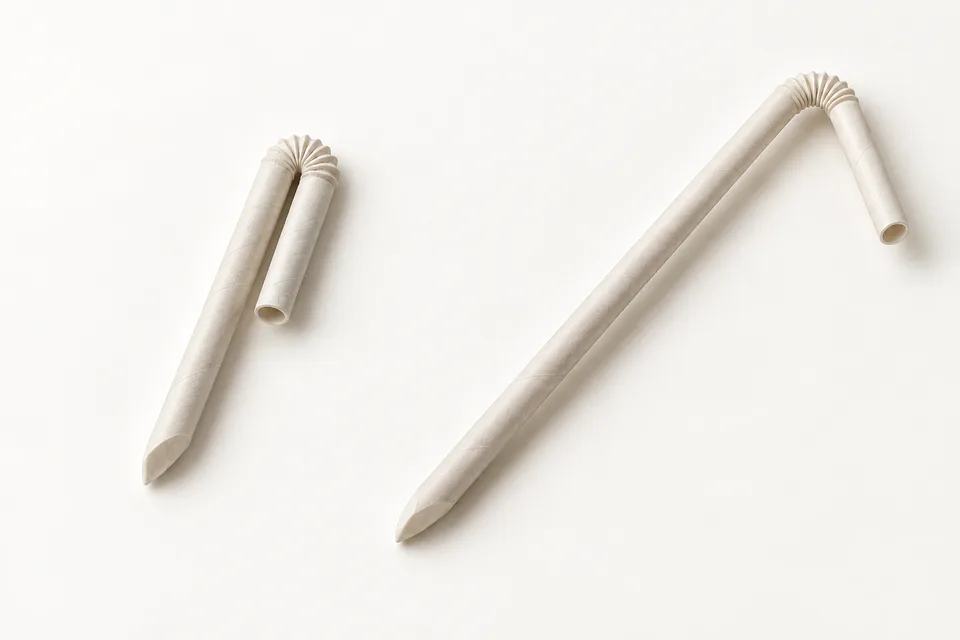
U-Shaped Paper Straws
Folded 180° format maximizing drinking reach on compact beverage cartons.
View Product Specs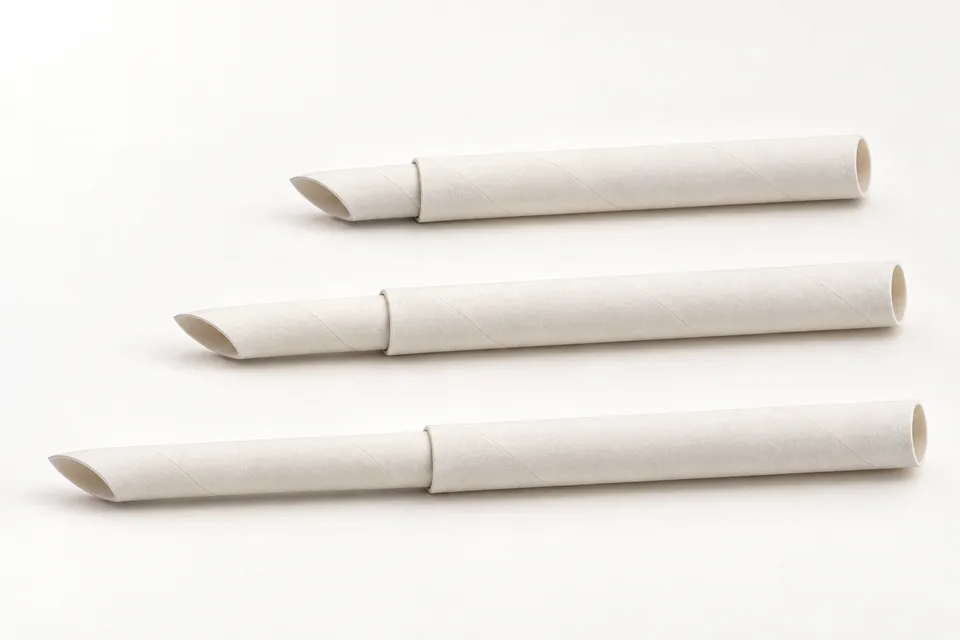
Telescopic Paper Straws
Two-section extendable design offering maximum reach from minimum packed length.
View Product Specs