In This Guide
Running a high-speed beverage filling line is a tough job. You’re constantly worried about anything that could cause a shutdown, and a common question we hear from plant managers relates to attached paper straw strip tension. You know that if the tension is wrong, these small paper straws can bring your entire multi-million dollar production line to a screeching halt, costing you time, money, and a lot of headaches. The solution isn't about chasing a specific number on a spec sheet, but about understanding how tension contributes to overall feeding stability in your unique environment.
An attached paper straw strip’s tension is critical because it must be precisely matched to the specific requirements of your applicator machine. If the tension is too low, the strip can break or sag, causing feeding errors. If it's too high, it can jam the machinery, fail to release properly, or put excessive strain on applicator components. The right tension ensures the straw strip feeds smoothly and consistently from the reel to the beverage carton, preventing costly production stoppages.
Getting this balance right is more of an art than a science, and it goes far beyond a single data point. Let's explore why a one-size-fits-all approach doesn't work and what you should really be asking your suppliers to ensure your line runs without a hitch.
Why Isn't There a Universal Standard for Attached Paper Straw Strip Tension?
You're trying to compare quotes from different suppliers, but you notice they either provide different tension values or avoid giving a number at all. This can be frustrating when you’re trying to make a data-driven sourcing decision. You just want to know which product will work.
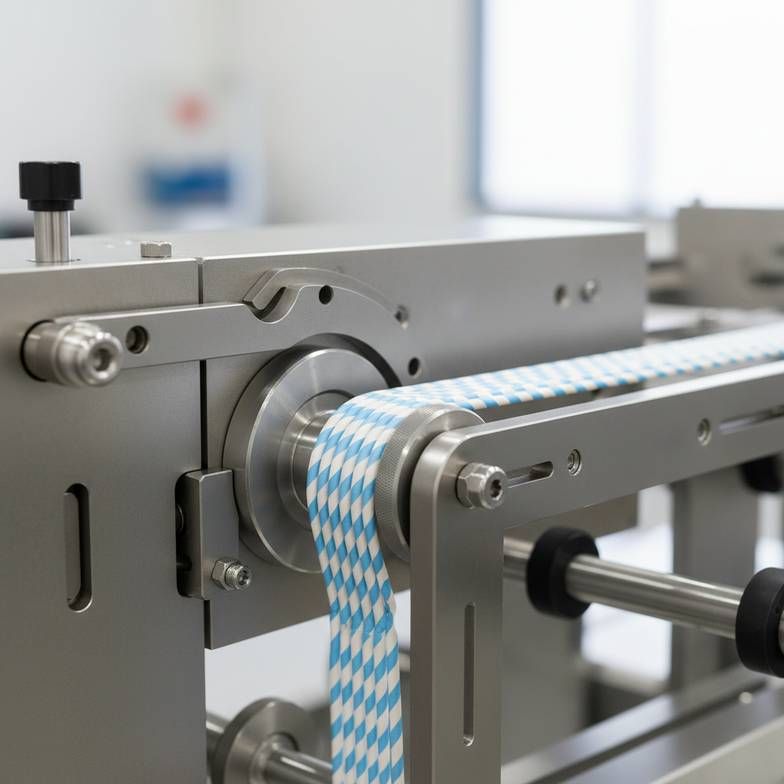
The simple reason there's no universal standard is that the "correct" tension is entirely dependent on your production machinery. A tension level that’s perfect for one model of applicator might be a disaster on another. It's a classic case of compatibility.
Dive Deeper
When a customer comes to us asking for our "standard tension value," it's the start of a conversation, not the end. Just giving a number without context would be irresponsible. The real goal is to match the straw's properties to the forces and mechanics of a specific production line.
Here’s what influences the ideal attached paper straw strip tension:
The Role of the Applicator Machine
Different machine manufacturers—like Tetra Pak, SIG Combibloc, or others—design their applicators with unique mechanisms.
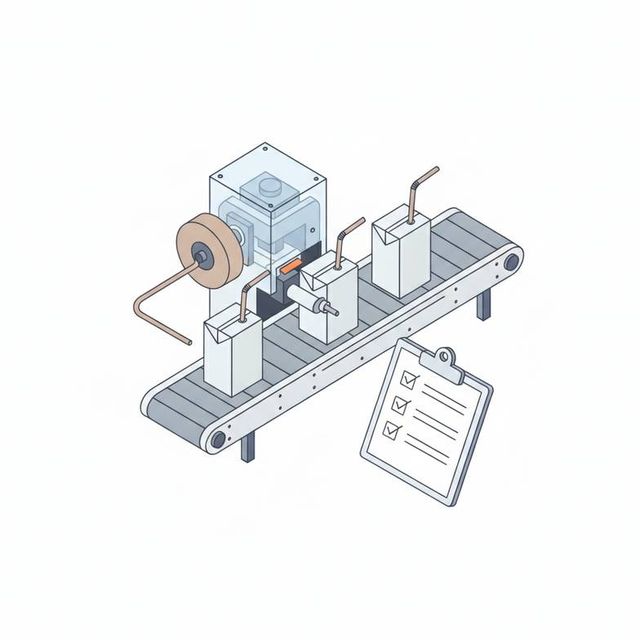
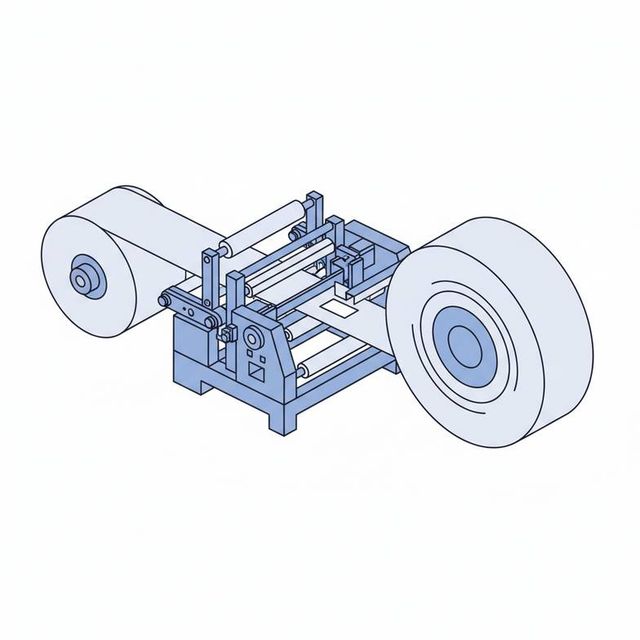
- Pulling Mechanism: Some machines use a "pull" system with rollers that grip and advance the strip, while others use a more complex "feed" system. The amount of force they apply varies.
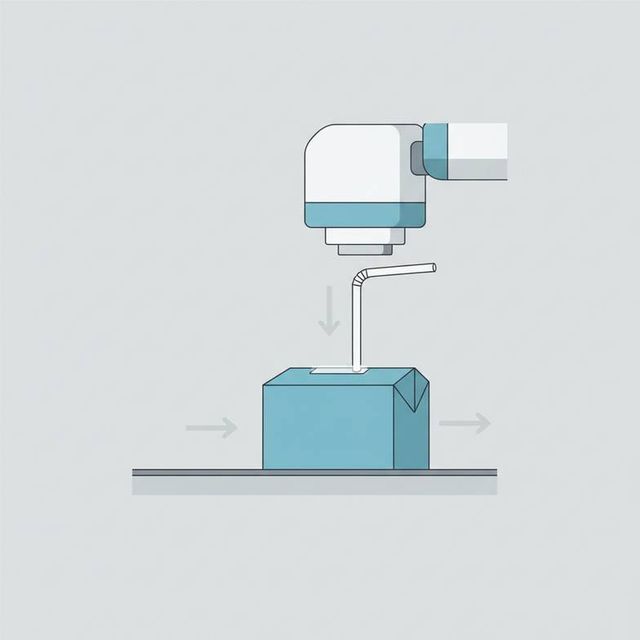
- Cutting and Application: The way the machine cuts the individual wrapped straw from the strip and applies it to the carton also puts stress on the material. A high-tension strip might resist cutting or snap back, causing a jam.
- Sensors and Guides: Modern applicators are full of sensors. A strip that sags (low tension) might trip a sensor and stop the line, while a strip that's too taut (high tension) might not track properly through the guides.
We’ve seen cases where a customer with a brand new, high-speed Tetra Pak line needs a very different tension profile than a customer running an older, refurbished SIG machine. The supplier must understand these differences.
How Line Speed Changes Everything
The speed of your filling line is a massive factor. A line running at 8,000 cartons per hour puts far less stress on the straw strip than one running at 24,000 cartons per hour. At higher speeds, the forces of acceleration and deceleration are much greater. A strip with borderline-low tension might work fine at a slower speed but will start to break or misfeed when you ramp up production. Conversely, a strip with slightly too much tension might run okay at low speeds but will start to cause jams or premature wear on machine parts when running flat out.
The Impact of Wear, Tear, and Maintenance
No two machines are identical, even if they're the same model. The condition of your equipment matters.
- Roller Grip: Worn-out rollers might not grip the strip effectively, requiring a higher tension to compensate (which is a temporary fix for a maintenance issue).
- Calibration: A perfectly calibrated machine will handle a wider range of tension values. An older or poorly maintained machine will be much more sensitive to slight variations.
This is why a supplier's job isn't just to ship a product; it's to provide a component that works reliably within your actual, not theoretical, production environment.
What Problems Does Mismatched Attached Paper Straw Strip Tension Cause?
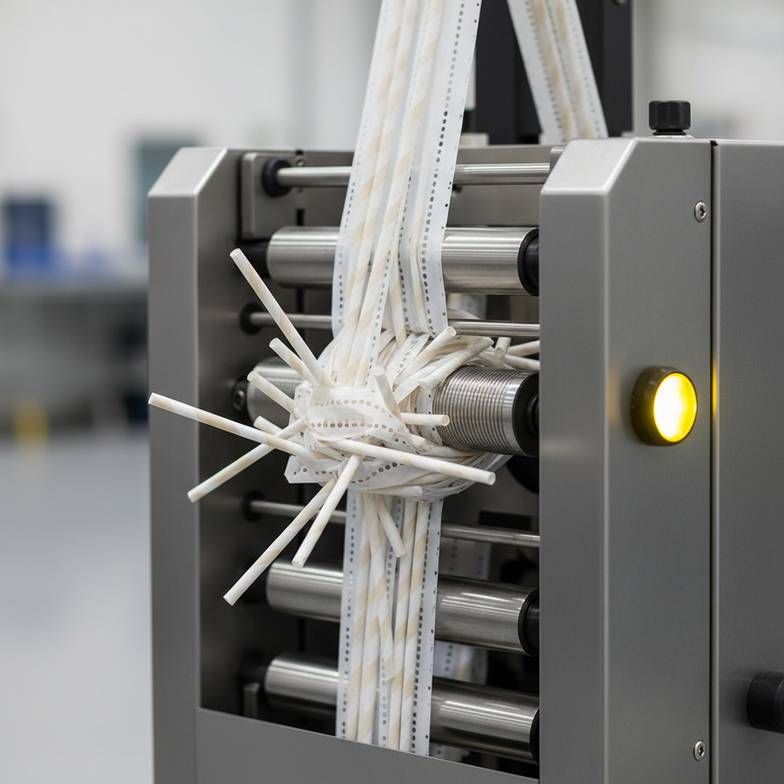
You know the sound all too well—the alarm goes off, the red light flashes, and your production line grinds to a halt. Everyone rushes over, only to find the problem is a tiny paper straw that got jammed in the applicator. This is the #1 consequence of mismatched tension.
When the attached paper straw strip tension isn't right for your machine, it directly leads to production downtime, increased waste, and lost efficiency. Whether the tension is too high or too low, the result is the same: your line isn’t running.
Dive Deeper
The financial impact of these stoppages can be huge. Let's break down the specific problems caused by tension that is either too low or too high. I remember a new client who was focused on getting the absolute lowest price per straw. They switched suppliers and their line stoppages immediately jumped. The "savings" they made on the straws were erased in a single afternoon of lost production because the tension profile was wrong for their equipment.
This highlights that the unit price of a straw is only a small part of its total cost of ownership. Reliability is paramount.
Here’s a comparison of the issues:
| Tension Too Low | Tension Too High |
|---|---|
| Strip Breakage: The strip snaps during feeding, causing an immediate line stop. | Applicator Jamming: The strip is too stiff to navigate the machine's path and gets stuck. |
| Sagging & Misalignment: The strip droops, tripping sensors or failing to enter guides correctly. | Adhesive Failure: The high tension can cause the straw's wrapping to peel away from the adhesive strip. |
| Inconsistent Feeding: The slack in the strip causes jerky, unpredictable movement into the applicator. | Inconsistent Cutting: The cutter may struggle to cleanly slice through a very taut strip. |
| Increased Product Waste: Every time the line stops and starts, you waste cartons, product, and straws. | Excessive Machine Wear: High tension puts extra strain on rollers, guides, and motors, leading to premature failure. |
Ultimately, both scenarios lead to the same business problems:
- Lower Overall Equipment Effectiveness (OEE): Your line's efficiency plummets due to frequent micro-stops and longer downtimes.
- Increased Labor Costs: Operators spend their time clearing jams and restarting machines instead of overseeing production.
- Material Waste: You throw away not just the faulty straw strips but also the beverage cartons that were in process during the stoppage.
Focusing on achieving stable, predictable feeding is far more valuable than arguing over a specific tension number.
How Should You Evaluate a Supplier's Approach to Attached Paper Straw Strip Tension?
You need to source straws you can rely on, but if you can't just compare a number on a spec sheet, how do you actually vet a supplier? How can you trust that their product will work on your line?
The key is to look for a manufacturing partner, not just a commodity seller. A trustworthy supplier will immediately pivot the conversation away from a single attached paper straw strip tension value and toward a collaborative diagnostic process. Their first reaction should be to ask you questions, not to give you a simple answer.

Dive Deeper
The most important indicator of a good supplier is that they want to understand your operational context. They know that their success is tied to your production stability. If a potential supplier just sends you a price list and a generic spec sheet, be cautious. A true partner engages in a technical consultation.
From Specification to Consultation
The conversation should be a two-way exchange of information. You have deep knowledge of your production environment, and they should have deep knowledge of their product's material science. The goal is to bring that knowledge together.
A good supplier will ask you questions like:
- What brand and model is your filling machine and straw applicator (e.g., Tetra Pak A3/Speed, SIG Combidloc CFA 812)?
- What is your target line speed in cartons per hour?
- Are you currently experiencing any specific feeding issues, like breaks, jams, or misalignments?
- What are the dimensions of your beverage carton and the location of the straw hole?
- Do you have any internal quality metrics related to straw application success rates?
This dialogue shows they are focused on solving your problem—feeding stability—rather than just selling you a product.
The Importance of a Structured Validation Process
Once they understand your needs, a reliable supplier will propose a clear process to verify compatibility before you place a large order. This de-risks the purchasing decision for you. This process should look something like this:
- Initial Consultation: The discovery call where they ask the questions listed above. Based on our experience with similar setups, we can usually select a product with a high probability of success.
- Sample Provision: They will produce and send you sample reels made to the specifications discussed. This shouldn't be a generic, off-the-shelf sample. It should be a production-grade sample tailored to your needs.
- Supervised Trial Run: You run the sample reels on your production line. Ideally, the supplier is available for a call during the trial to help troubleshoot in real time. You should test it at your normal operating speed to see how it performs under pressure.
- Specification Lock-In: After a successful trial, you and the supplier formally agree on the exact product specifications. That specific configuration becomes your official product, ensuring consistency for all future orders.
This structured approach replaces guesswork with empirical evidence from your own factory floor. It’s the only way to be truly confident in your choice of supplier.
Frequently Asked Questions
What is attached paper straw strip tension?
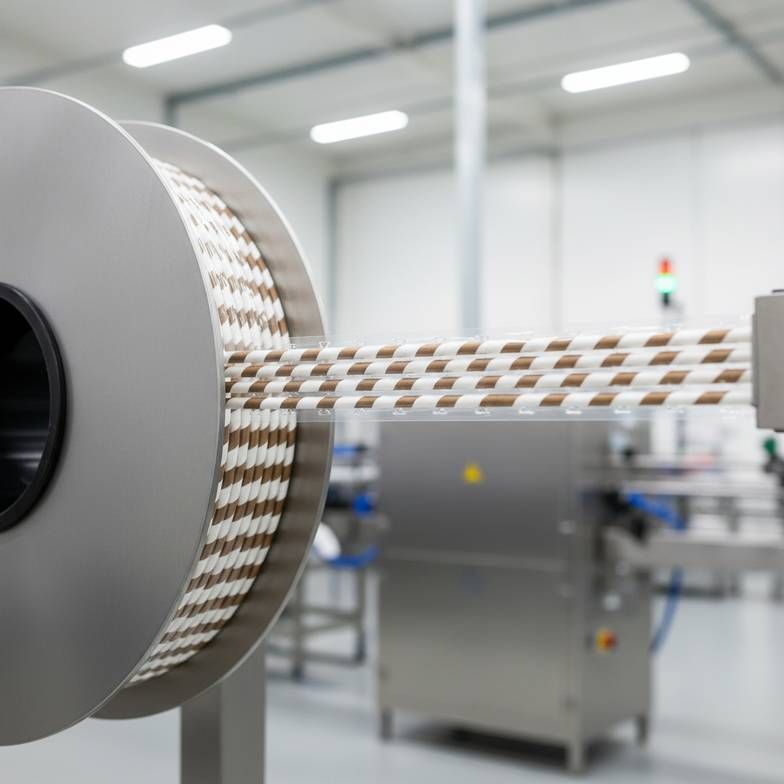
In simple terms, it’s the amount of pulling force, or tautness, within the continuous reel of wrapped paper straws. It's measured to ensure the strip is firm enough to feed smoothly without breaking, but flexible enough not to jam the applicator machinery.
Can I measure strip tension myself?
While you can use a tool called a tensiometer to get a reading, the number is almost meaningless without the context of your specific applicator machine. Focusing on the performance during a trial run—like the number of breaks or jams per 10,000 cartons—is a much more practical measure of success.
Is higher tension always better for durability?
No, this is a common misconception. It's about compatibility, not just strength. Tension that is too high is a frequent cause of applicator jams, as the overly stiff strip can't navigate the machine's internal path smoothly. The goal is the correct tension, not the highest.
Does the adhesive affect feeding stability?
Absolutely. The adhesive that bonds the straw to the carrier film is just as important as the tension. If that bond is weak, the straw can peel off during feeding, causing a jam regardless of how perfect the tension is. It's all part of an interconnected system.
Conclusion
When sourcing straws for your beverage cartons, it’s easy to get bogged down in technical specifications. However, the conversation around attached paper straw strip tension should be less about a single number and more about a holistic system. The real goal is achieving consistent, uninterrupted feeding stability on your specific production line. A lower unit price is worthless if it leads to frequent downtime. The key takeaway is to partner with a supplier who understands this and works with you to find the perfect match for your equipment.
Instead of just requesting a spec sheet, start a conversation about your production environment. If you're looking for a supplier who prioritizes your line's stability over simply selling a product, let's talk. Contact us to discuss your applicator model and production needs, and we can help you configure a complete paper straw solution built for reliable, high-speed performance.
Matched Formats for Beverage Cartons
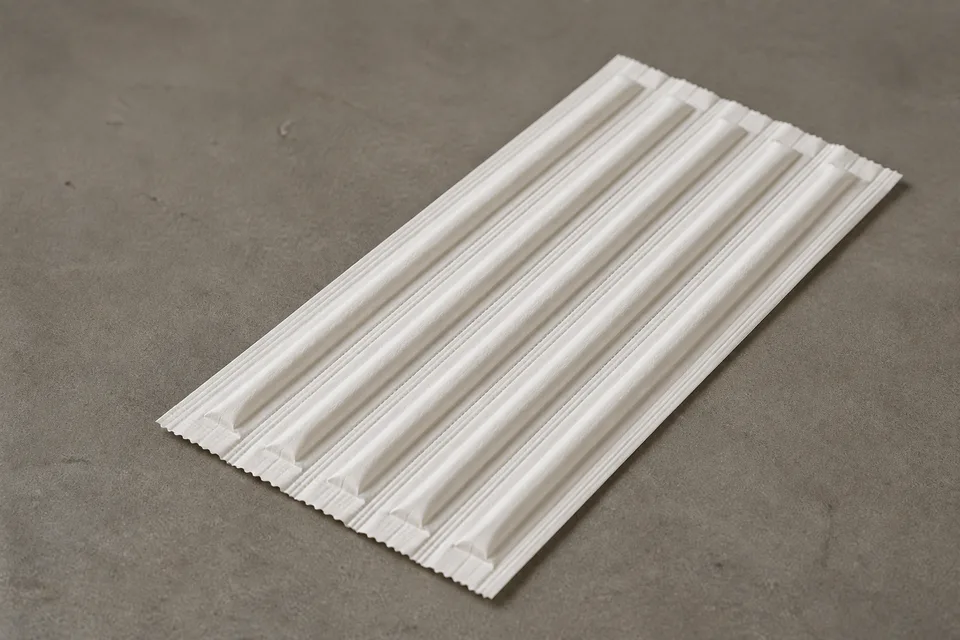
Attached Paper Straws
Connected continuous strip for high-speed automatic carton applicators.
View Product Specs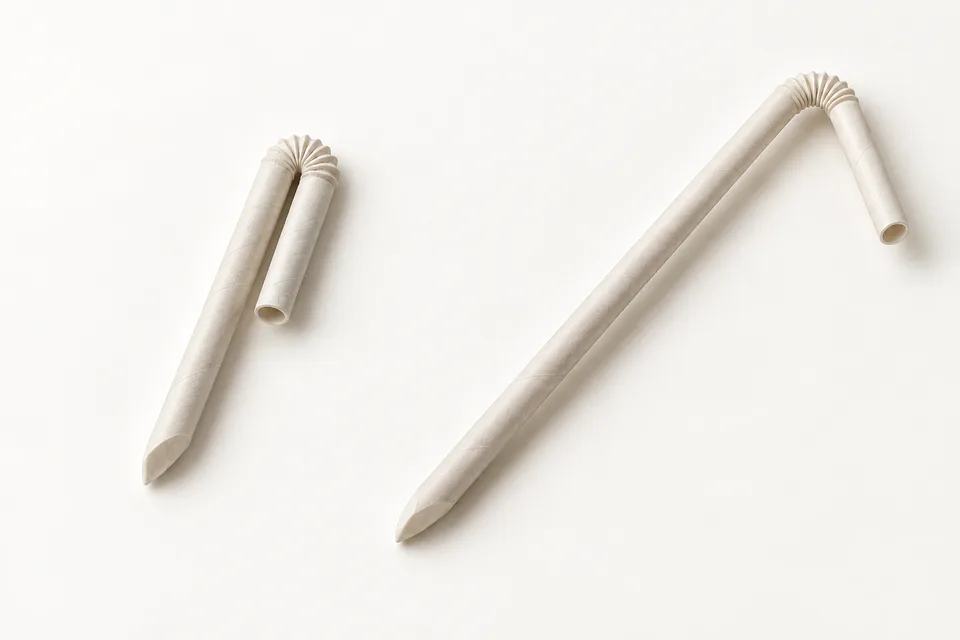
U-Shaped Paper Straws
Folded 180° format maximizing drinking reach on compact beverage cartons.
View Product Specs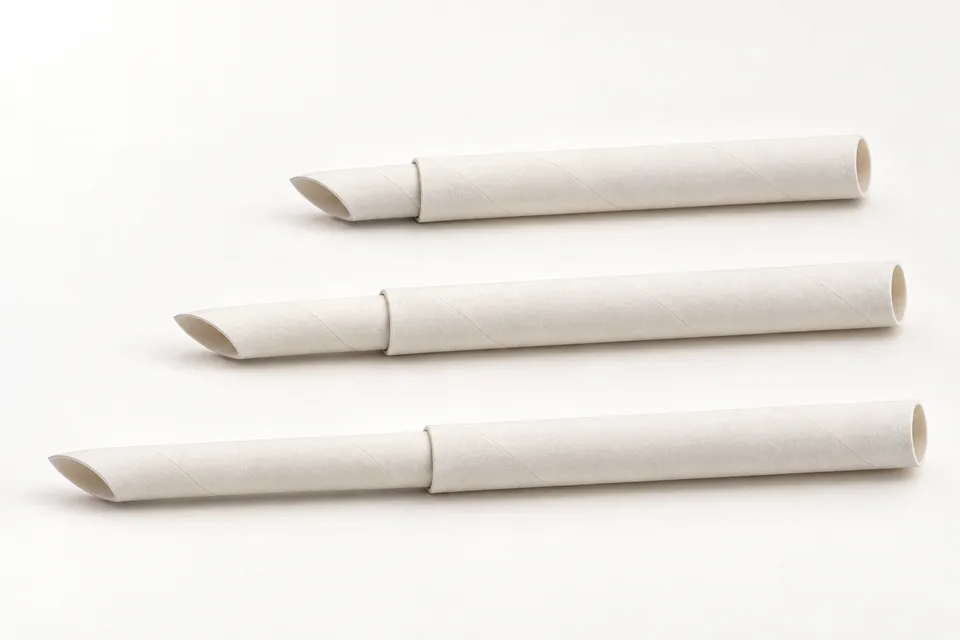
Telescopic Paper Straws
Two-section extendable design offering maximum reach from minimum packed length.
View Product Specs