In This Guide
Running a paper straw factory, you know that stopping the machine is the enemy of profit. Yet, every paper reel eventually runs out, forcing a production halt. This downtime, combined with wasted material and labor during a reel change, can quietly eat away at your efficiency. The solution lies in mastering attached paper straw strip splicing, the critical process of joining a new paper reel to an old one without missing a beat.
In attached paper straw strip splicing for continuous production, an expiring paper reel is joined to a new one, either manually by an operator stopping the machine or automatically by a splicing unit at high speed. This join, or 'splice,' temporarily passes through the machine's forming, gluing, and cutting sections. The quality of this splice determines whether production continues smoothly or results in machine jams, defective straws, and wasted materials.
Understanding what happens during that brief moment of transition is the key to unlocking higher output and lower costs. It's a small detail with a huge impact on your bottom line. Let’s dive into how this process works and what you should look for when evaluating a production line.
How Does Manual vs. Automatic Splicing Impact Production?
Choosing between manual and automatic splicing often feels like a simple budget decision. You might think, "Manual is cheaper upfront, so I'll start there." But this overlooks the long-term operational costs and headaches that come with it.
The real difference isn't just the initial investment. It's about how each method affects your factory's daily rhythm, material waste, and labor efficiency. Let's break it down.
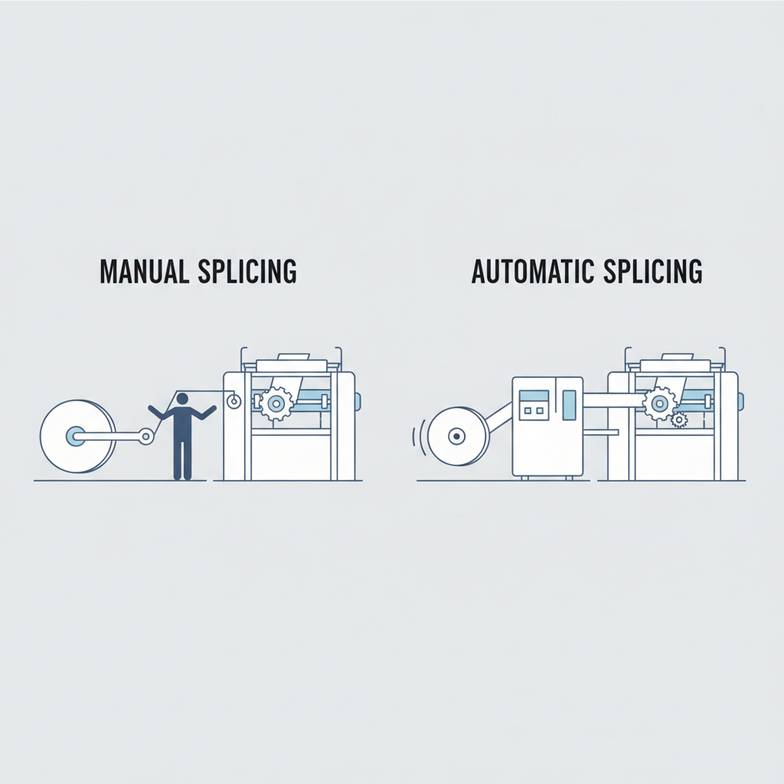
The Hidden Costs of Manual Splicing
From our experience both running our own paper straw lines and helping customers set up theirs, manual splicing is the most common source of preventable downtime. Here’s what happens:
- The Machine Stops: An operator must physically stop the paper straw making machine.
- The Operator Intervenes: They carefully align the end of the old paper reel with the start of the new one.
- Tape is Applied: They use splicing tape to join the two ends.
- The Machine Restarts: The operator then restarts the machine.
Every single one of these steps costs you money. The machine isn't making straws, but you're still paying for electricity and labor. The operator has to be skilled and focused; a sloppy alignment or a wrinkle in the tape can easily cause the paper to tear or jam in the winding mandrel moments after restarting. We've seen factories lose 10-15 minutes of production for every reel change, and when you're changing multiple reels per shift, that lost output adds up fast.
Furthermore, the machine needs to ramp down and ramp back up, which often produces a small batch of inconsistent or defective straws that must be thrown away. It’s a cycle of stop-start inefficiency.
When Does Automatic Splicing Make Sense?
An automatic splicing unit, on the other hand, is designed for "zero-speed" splicing while the machine runs at full tilt. It accumulates a small buffer of paper, allowing it to instantly join the new reel to the old one without slowing down production.
Here's a comparison to make it clearer:
| Feature | Manual Splicing | Automatic Splicing |
|---|---|---|
| Initial Cost | Low | High |
| Downtime per Splice | High (5-15 minutes) | Near-zero |
| Material Waste | Moderate (from stops/starts) | Low (only the splice itself) |
| Operator Skill | High skill and focus required | Low (monitoring) |
| Production Consistency | Lower due to starts and stops | High and continuous |
| Suitability | Low-speed lines, small-batch production, prototyping | High-volume, continuous 24/7 production |
A common question we get from investors is, "When is the extra cost of an automatic splicer worth it?" My answer is always based on their production goals. If you plan to run multiple high-speed lines around the clock to supply large beverage companies, the ROI on automatic splicing is incredibly fast. The reduction in waste and the increase in daily output can pay for the unit in a matter of months. It turns a major variable—operator-dependent reel changes—into a predictable, reliable part of your process.
What Are the Common Failure Points in Attached Paper Straw Strip Splicing?
You’ve decided on your splicing method, but a successful splice isn't guaranteed. A single failure can cause a cascade of problems, from a messy glue-up to a full machine jam that takes an hour to clear. So, where do things typically go wrong?
The promise of seamless production can quickly unravel if the splice itself isn't perfect. We've troubleshooted countless production issues where the root cause was traced back to a tiny inconsistency in how the attached paper straw strip splicing was executed.
The most common failure points in paper strip splicing are using the wrong splicing tape (too thick or weak), poor alignment of the paper strips, and machine sensors that are not calibrated to handle the temporary change in material thickness. Any of these issues can cause the paper to tear, jam the forming unit, or create a weak spot in the finished straw.
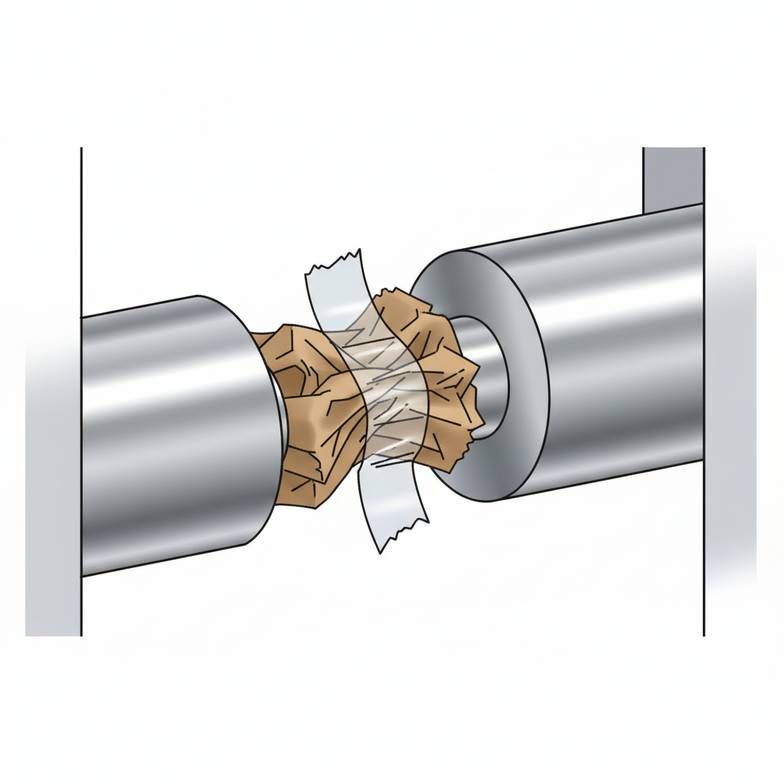
Let's look at these failure points in more detail, as they represent hidden risks to your production efficiency.
The Problem with Inconsistent Tape
Not all splicing tapes are created equal. This is a lesson many new manufacturers learn the hard way.
- Tape Thickness: This is the big one. The splice, which consists of two layers of paper plus the tape, creates a temporary thick spot. If the tape is too thick, this "lump" can get caught in the narrow tolerances of the winding mandrel or gluing station. This can cause an immediate jam or, worse, a slight misalignment that leads to a weak, unsellable straw. We always advise customers to verify the recommended tape thickness with their machine supplier.
- Adhesive Strength: The tape's adhesive must be strong enough to hold the two paper ends together under the tension of the machine running at high speed. A weak adhesive will simply pull apart, causing the paper to snap and forcing a complete re-threading of the machine—a major time sink.
- Heat Resistance: In some machine configurations, the paper passes near heated elements. The splicing tape must be able to withstand this temperature without losing its adhesion.
Why Alignment is Everything
Imagine trying to thread a needle while running. That's essentially what an automatic splicer does. A perfect splice requires the old and new paper strips to be aligned perfectly, edge to edge.
A misalignment of even a millimeter can be disastrous. If the strips overlap incorrectly, you again create a thick spot prone to jamming. If there's a gap between them, you create a weak point held together only by a thin piece of tape. When this section reaches the winding unit, it will almost certainly tear. In manual splicing, this relies entirely on the operator's skill and attention to detail. In automatic systems, it depends on the precise mechanical calibration of the splicing unit.
Sensor Sensitivity and Machine Jamming
Modern paper straw machines are full of sensors that monitor paper tension, alignment, and flow. These sensors are your first line of defense against major jams. However, they can also be a source of problems during a splice.
If a sensor is too sensitive, it might interpret the temporary thickness of the splice as a fault or a jam, triggering an emergency stop. If it's not sensitive enough, it might miss a real problem, like a tear beginning at the edge of the splice, allowing defective material to clog up the forming unit. Calibrating these sensors to correctly identify a normal splice while still catching true errors is a critical part of setting up a reliable production line. This is where a supplier with real-world manufacturing experience becomes invaluable—they understand how to fine-tune the machine for these specific moments.
How Can You Evaluate a Supplier's Splicing Technology?
When you're looking at a shiny new paper straw production line, it's easy to be impressed by headline speeds and output figures. But as we've discussed, true efficiency lives in the details. So, how do you look past the sales pitch and really evaluate the attached paper straw strip splicing capability?
You can't just take a supplier's word that their system provides "uninterrupted production." You need to become a detective and investigate the process yourself. The goal is to understand the risks and confirm that the technology is robust enough for your operational needs.
To properly evaluate a supplier's splicing technology, you must ask specific questions about the splicing mechanism, tape specifications, and sensor calibration. Request a live or detailed video demonstration of the splicing process in action, and get clear information on the recommended consumables to ensure long-term reliability.
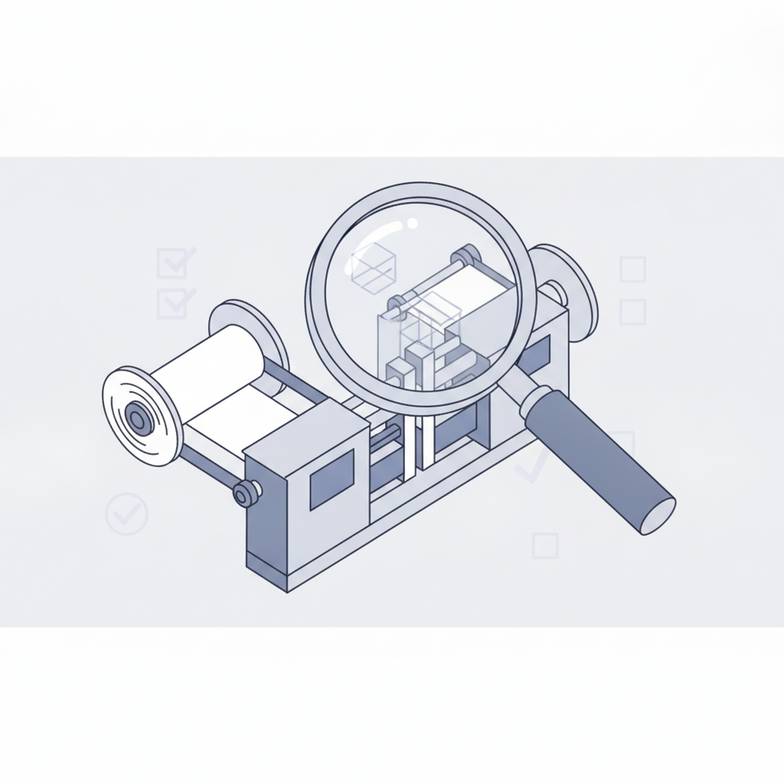
Based on hundreds of conversations with both first-time investors and experienced factory managers, here is the checklist we recommend for vetting any supplier's splicing system.
Questions to Ask Your Machinery Supplier
Don't settle for vague answers. Your capital investment deserves detailed clarification.
- Can you demonstrate a splice at full production speed? This is non-negotiable. Ask for a video, or better yet, a live demonstration if you visit the factory.
- What is the typical success rate of the splice? If they say 100%, be skeptical. A more realistic answer might be 98-99%, and they should be able to explain what causes the occasional failure.
- What are the exact specifications for the required splicing tape? Ask for thickness (in microns), adhesive type, and any recommended brands. This shows they've tested it.
- How does the machine handle the spliced section? Do any straws made from the spliced paper need to be discarded? Some systems have sensors that automatically reject the one or two straws containing the tape. This is a feature, not a bug, as it protects final product quality.
- What is the procedure if a splice fails? How long does it take to clear the jam and re-thread the paper? A good supplier will have a clear, practiced procedure for this.
- How are the sensors calibrated to accept a splice but reject a real fault? This question tests their technical depth. They should be able to explain how the system differentiates between the two.
The Importance of a Live or Video Demonstration
Watching the splice happen is the single best way to build confidence. During the demo, pay close attention to:
- Speed: Does the machine actually maintain its speed during the splice, or does it slow down?
- Smoothness: Does the paper jerk or shudder as the new reel engages? This could indicate a tension control problem.
- The Aftermath: Watch the paper after the splice. Does it run straight and true? Are there any visible wrinkles or signs of stress?
Don't Forget the Consumables
Finally, the machine is only part of the equation. Your raw materials, especially the paper and the splicing tape, are just as important. A supplier who also has experience as a manufacturer, like we do at RainbowBear, can provide guidance on sourcing reliable consumables. We understand that a great machine fed with poor-quality paper or tape will still perform poorly. Ask if the supplier can provide or recommend trusted sources for all the necessary raw materials. This integrated approach de-risks your entire operation, not just one piece of equipment.
Frequently Asked Questions
How much waste is created during an automatic splice?
Typically, an automatic splicer is designed to minimize waste. The only material discarded is often the one or two straws that contain the physical splice tape itself. Some advanced systems have detection and rejection mechanisms to do this automatically, ensuring high final product quality with minimal material loss compared to a full manual stop-and-start.
Can you use any splicing tape?
No, and this is a critical point. Using tape that is too thick, too weak, or has the wrong adhesive can lead to machine jams and production failures. Always use the splicing tape recommended by your machinery manufacturer, as its specifications are matched to the tolerances of the equipment.
Does the paper type affect splicing success?
Yes, absolutely. Heavier, multi-ply paper used for wider-diameter straws requires a stronger splice and more robust tension control than lighter paper. A good splicing system should be adjustable to handle the different paper grades and tensions you plan to run. Discuss your intended product range with the supplier to ensure compatibility.
Is automatic splicing standard on all paper straw machines?
No, it is not. Automatic splicing units are typically an optional add-on for high-speed, high-volume production lines. Base model or lower-speed machines usually rely on manual splicing. The decision to invest in an automatic splicer depends on your production targets, labor costs, and desired level of automation.
Conclusion
Ultimately, the conversation around attached paper straw strip splicing is about moving from a reactive to a proactive manufacturing mindset. It’s not just about what happens when one paper reel ends; it’s about having a strategic plan to ensure the next one begins without costing you time, material, and money. Choosing between manual and automatic splicing is a trade-off between upfront investment and long-term operational efficiency. More importantly, regardless of the method, success lies in the details: the right tape, precise alignment, and well-calibrated machinery. By asking critical questions and demanding proof of performance, you can de-risk your investment and build a more resilient and profitable production line.
If you're planning a paper straw manufacturing project and want to ensure every detail is optimized for efficiency, our team can help. We have experience with both finished product manufacturing and production line configuration. Let's talk about your project and configure a solution that meets your specific goals.
Matched Formats for Beverage Cartons
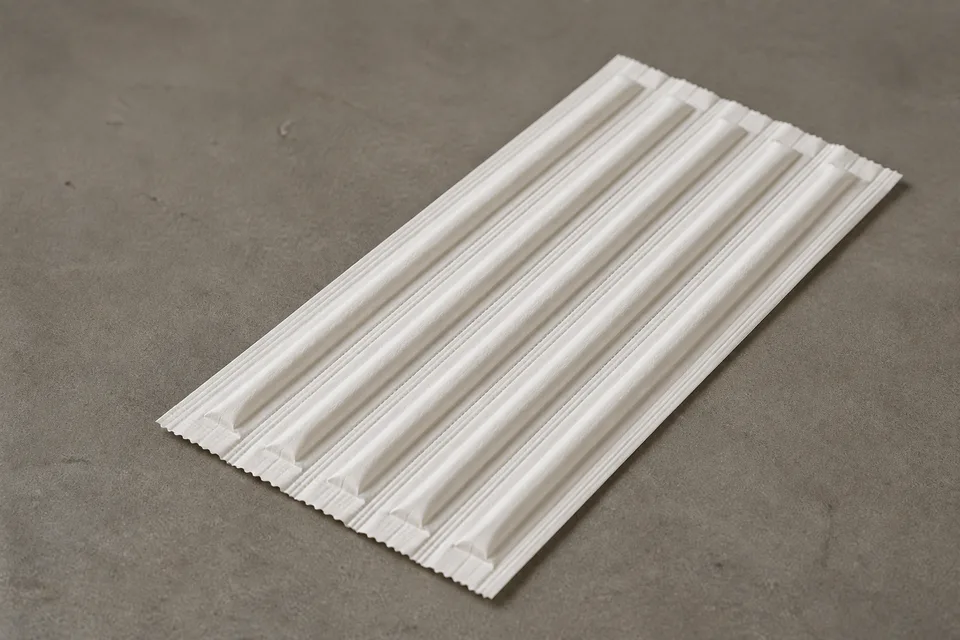
Attached Paper Straws
Connected continuous strip for high-speed automatic carton applicators.
View Product Specs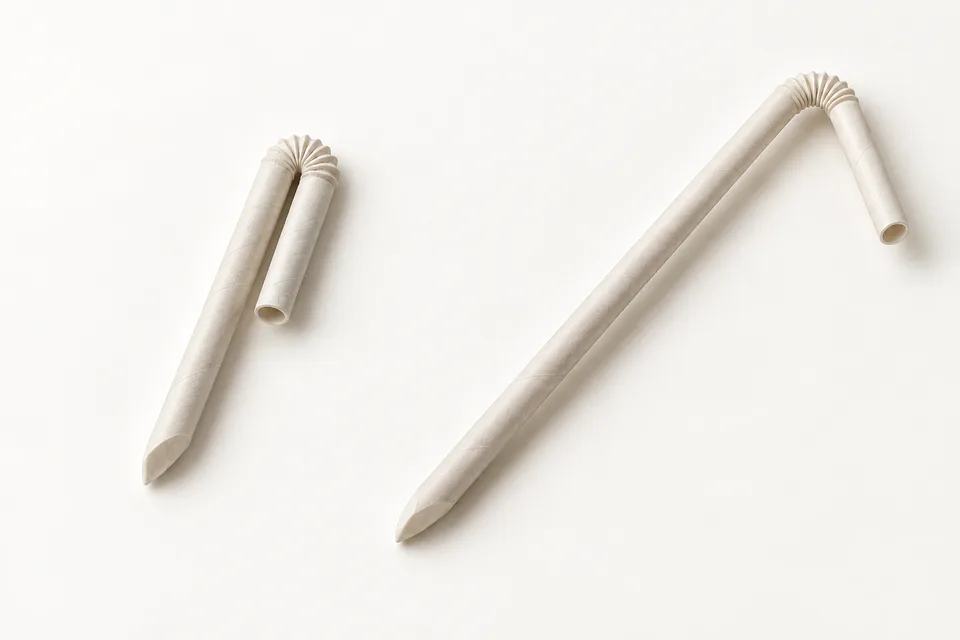
U-Shaped Paper Straws
Folded 180° format maximizing drinking reach on compact beverage cartons.
View Product Specs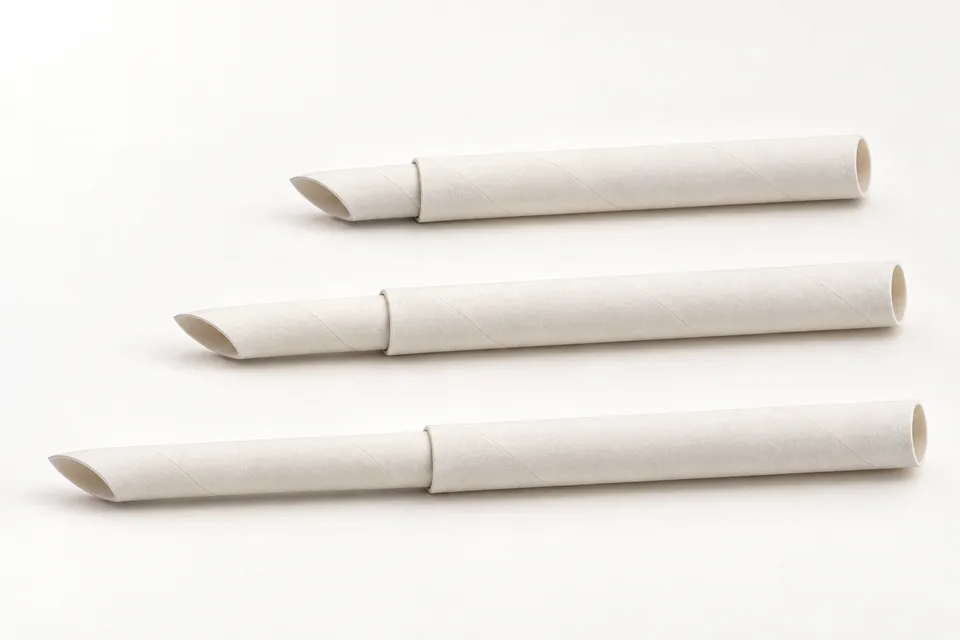
Telescopic Paper Straws
Two-section extendable design offering maximum reach from minimum packed length.
View Product Specs