In This Guide
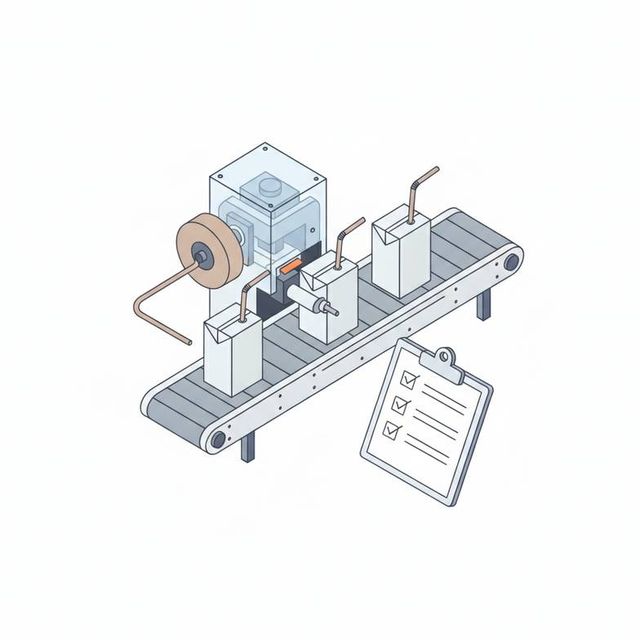
Struggling to find a reliable paper straw supplier for your beverage cartons? You're worried that a new batch of attached straws will jam your high-speed applicator, leading to costly downtime and wasted product. The vague promise of "compatibility" from a salesperson just isn't enough to calm your nerves. The key to success is understanding that verifying attached paper straw strip compatibility is a hands-on process, not a simple box to check on a procurement form.
Verifying attached paper straw strip compatibility is a risk management process that goes far beyond a supplier's datasheet. It requires you to match the straw strip's technical specifications and physical properties to your specific carton applicator model and its unique operational environment. The only definitive proof of compatibility is a successful production trial on your own equipment.
Think of it this way: the spec sheet is like the map, but a production trial is the actual journey. A map is essential, but it won't tell you about the traffic, road conditions, or whether your car is up to the trip. Let's dive into the details you need to check to ensure a smooth journey from the straw reel to the finished carton.
Why is a Spec Sheet Not Enough for Verifying Attached Paper Straw Strip Compatibility?
You’ve got a technical data sheet from a potential supplier, and everything lines up—strip width, straw dimensions, reel size. It seems like a perfect match for your applicator's requirements. So, you should be good to go, right? But if you've been in production long enough, you know that what looks good on paper can quickly turn into a headache on the factory floor. What critical details is that spec sheet missing?
The spec sheet is only the starting point. It confirms the basic dimensions but tells you almost nothing about the reel's dynamic physical properties—like winding tension, paper stiffness, and splice quality—which are often the true source of applicator jams and failures.

Dive Deeper: From Paper Specs to Physical Performance
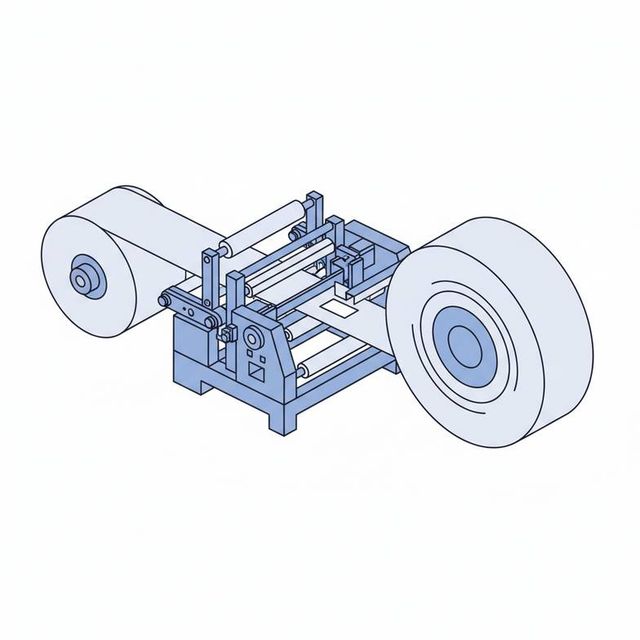
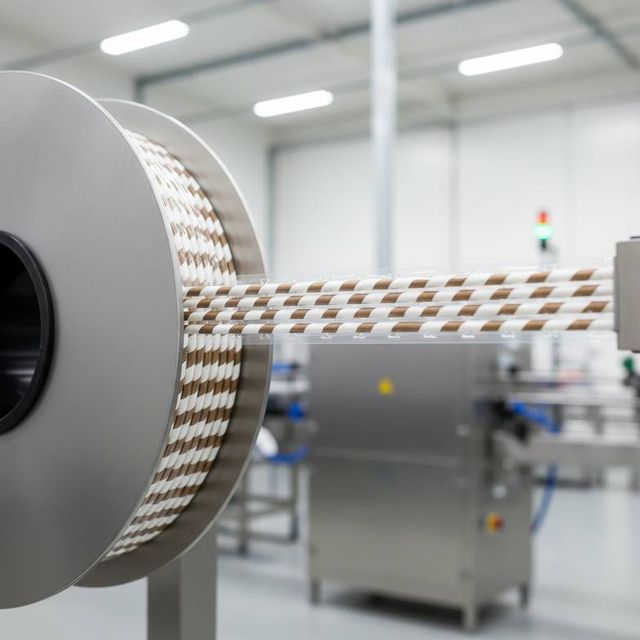
Let's be honest, your straw applicator doesn't read the spec sheet. It interacts with a physical object—a tightly wound reel of paper straws traveling at high speed. This is where the real compatibility challenges live. Based on my experience helping clients troubleshoot these issues, here are the factors that matter most.
Beyond Width and Thickness
The data sheet will list the strip width and thickness, which are of course important. But they don't tell the whole story.
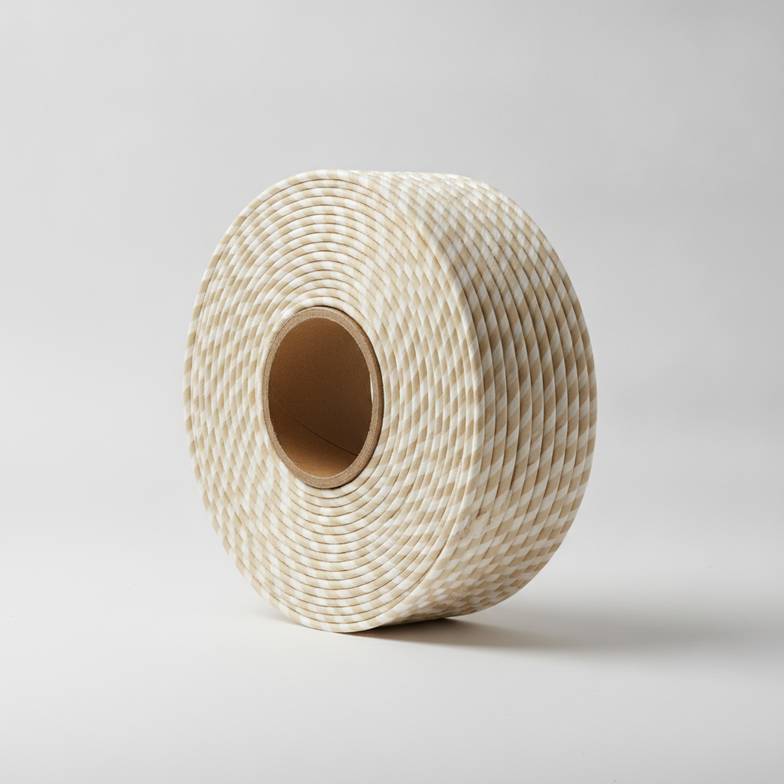
- Reel Winding Tension: This is a huge one. If a reel is wound too loosely, the inner layers can "telescope" or shift during transport or on the machine, causing the reel to become unstable and misfeed. If it's wound too tightly, the paper strip can be stretched, altering its dimensions slightly and causing tracking problems or even breaking mid-run. Consistent, firm-but-not-too-tight tension is a sign of a quality manufacturing process.
- Paper Stiffness and Memory: The paper needs to be stiff enough to be handled by the machine's guides and pushers without buckling. However, it also needs to have low "memory," meaning it doesn't stay curled after being unwound from the reel. A strip that stays too curled can interfere with the sensors and the mechanism that applies it to the carton.
The Hidden Devil in the Details: Splicing
To create a large, continuous reel, manufacturers must splice (join) the ends of smaller paper rolls together. This splice point is one of the most common failure points for compatibility.
| Splicing Issue | Impact on Applicator |
|---|---|
| Thick or lumpy tape | Can get caught in machine guides or fail to pass through tight tolerances, causing a jam. |
| Incorrect tape type | May not be detected by the machine's splice sensor, leading to a mis-application. |
| Poor alignment | If the two ends of the strip are not perfectly aligned, it creates a "lip" that can snag. |
| Adhesive ooze | Excess glue from the splice can stick to rollers and guides, causing a mess and jams. |
A good supplier has a standardized, quality-controlled splicing process using specific tape and precise alignment jigs. When you get a sample reel, find the splice and inspect it closely.
Reel Edge and Core Consistency
Finally, look at the overall reel. Are the edges clean and smooth, or are they fuzzy with paper dust and burrs? Rough edges can cause debris to fall into the machine and can lead to the strip wandering left or right. The inner cardboard core must also have the exact internal diameter required for your applicator's spindle. A core that's even a millimeter too small won't fit, and one that's too large will wobble, causing tension problems.
What Questions Should You Ask a Supplier About Attached Paper Straw Strip Compatibility?
You're ready to reach out to a new paper straw supplier. You need to quickly figure out if they're a serious partner or just a sales-driven trader. How do you start a conversation that gets you real answers instead of a generic pitch? It's all about asking the right questions.
Instead of asking the simple question, "Are your straws compatible with my machine?" you should ask specific, operational questions. Ask about their experience with your applicator model, their quality control for reel winding, and their splicing method. A truly experienced partner will welcome these questions and ask you detailed questions in return.

Dive Deeper: Framing the Dialogue for Success
The goal of this conversation is not to get a "yes," but to gauge the supplier's depth of experience. Your questions signal that you are a knowledgeable buyer focused on de-risking your production.
Smart Questions to Ask Your Supplier
When you first talk to them, lead with these types of questions. Their answers will tell you a lot about their capabilities.
- "We run a [Applicator Brand, e.g., Tetra Pak, SIG] model [X] at about [Y] cartons per minute. What's your experience supplying strips for this specific setup?"
- "Can you walk me through your process for reel splicing? What kind of tape do you use, and how do you ensure the splice sensor on our machine will detect it?"
- "How do you measure and control winding tension across an entire production batch of reels?"
- "If we were to experience a jam during a trial run, what is your standard procedure for troubleshooting with us?"
Red Flags and Green Lights
Listen carefully to how they respond.
- Red Flag: They give a quick, confident "Yes, it's 100% compatible" without asking any follow-up questions. This suggests they are either inexperienced or just want to make a sale.
- Green Light: They respond by asking you questions back. This is the best possible sign. An experienced partner knows that attached paper straw strip compatibility is a two-way street.
I've been on countless calls like this. When a customer asks about a specific machine, my first response is to ask them, "Great, can you tell me more about your line? What are your common failure points with your current straws? Have you had any recent maintenance or upgrades?" This isn't about deflecting; it's about starting a joint troubleshooting process from day one. A supplier who thinks like an engineer, not just a salesperson, is the partner you want.
What an Experienced Partner Will Ask You
- What is your target running speed?
- Can you share the specifications or a drawing of your beverage carton and the straw attachment position?
- What is your machine's maintenance schedule like? Wear and tear on guides and rollers is a huge variable.
- Can you send a photo or short video of the straw feed path on your applicator?
This kind of technical dialogue builds confidence and shows that the supplier is invested in your success, not just in shipping a box.
How Do You Conduct an Effective Production Trial for Straw Strips?
The sample reel has arrived from your potential new supplier. It looks good, the specs match, and you had a great conversation with their technical team. Now for the moment of truth. You know that testing a few loose straws by hand is useless. How do you design a trial that will truly tell you if this strip will work day-in and day-out on your production line?
The only truly effective test is a trial run using a full-sized, factory-wound sample reel on your actual production line. You must observe its performance under real-world conditions, including machine start-up, full-speed operation, splice passage, and shutdown, to properly validate compatibility.
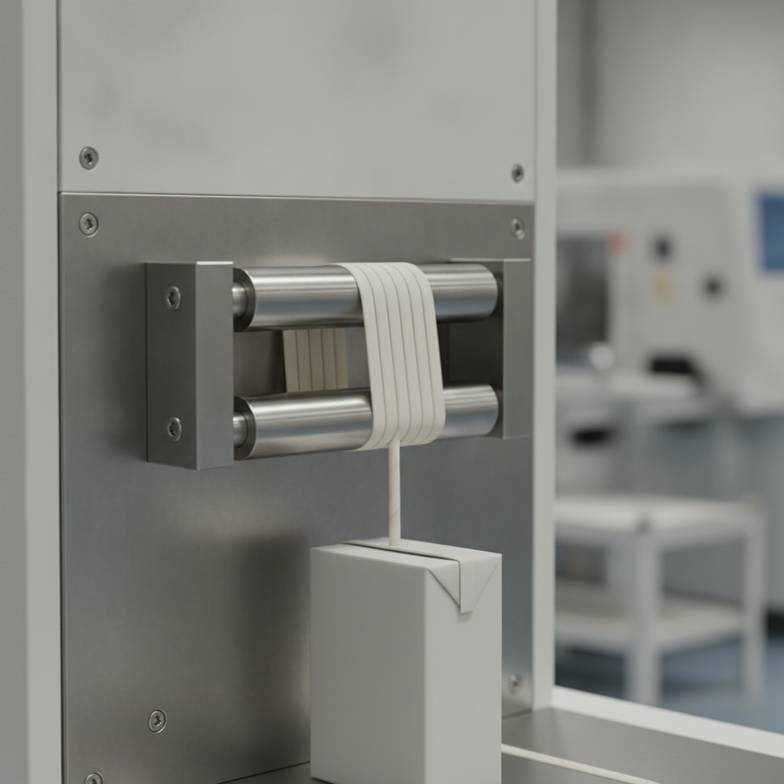
Dive Deeper: The Ultimate Compatibility Test
A production trial isn't just about pass or fail. It's about gathering data. It confirms the supplier's quality and gives your team confidence. I always tell my clients, "Don't just run it until it jams. Watch it, document it, and learn from it." Here’s how to structure a trial for maximum insight.
Why You Need a Full Reel, Not Just Loose Strips
Let's get this out of the way: a bag of 100 loose straws is a sales sample, not a trial sample. You cannot test the most critical factors without a full reel.
- Reel Feed and Unwinding: Does the reel load onto the machine's spindle properly? Does the strip unwind smoothly without snagging?
- Tension Control: How does the strip behave under the machine's own tensioning system?
- Splicing Performance: This is the big one. You must see how the splice point behaves as it passes through the applicator's mechanisms at full speed.
Insist that your supplier provide at least one full, production-sized reel for your trial. If they hesitate, it might be a red flag about their confidence in their own product's consistency.
Your Production Trial Checklist
Treat the trial like a scientific experiment. Have the machine operator and a maintenance technician or engineer present.
- Machine Loading: Check the reel core fit on the spindle. Note how easily the operator can thread the strip through the guides and sensors.
- Start-up and Ramp-up: Begin at a slow speed and watch the strip tracking. As you increase to full production speed, look for any signs of vibration, slipping, or twisting.
- Full-Speed Operation: Let the machine run continuously for an extended period (e.g., 30-60 minutes).
- Monitor Failure Rate: How many jams or mis-applications occur per 1,000 cartons?
- Check Application Quality: Randomly pull cartons off the line. Is the straw applied in the correct position? Is the adhesion strong?
- The Splice Point Test: When the splice approaches, have everyone watch closely. Does it pass through cleanly? Does the machine's sensor detect it correctly? This is a make-or-break moment.
- Shutdown and Restart: Stop and start the machine several times to see if the strip handles the intermittent motion without issue.
Document Everything
Create a simple log sheet. Record the date, supplier name, machine model, operator, running speed, and any observations. Note the exact time and nature of any error. If a jam occurs, take a picture of it before clearing it. This information is invaluable for providing clear, objective feedback to the supplier. This data transforms the conversation from "it didn't work" to "it failed at the cutting station after 2,100 cycles, and here is a photo of how the strip was positioned."
Frequently Asked Questions
What's the most common cause of incompatibility if the dimensions are correct?
In our experience, the most common issues are not related to straw dimensions but to the physical properties of the reel. Inconsistent winding tension, causing the reel to telescope or the strip to break, and poor-quality splicing tape that is too thick or sticky are the top two culprits for machine jams.
How large of a sample reel should I request for a trial?
You should always request at least one full, production-sized reel. A small sample coil or a bag of loose straws is not sufficient. A full reel is the only way to test how the strip performs under continuous tension, at full speed, and most importantly, how the splice point behaves in your applicator.
My supplier says their strips are compatible with my applicator brand. Isn't that enough?
No, it's a good starting point but it's not a guarantee. An applicator brand like Tetra Pak or SIG may have dozens of models, generations, and software versions in the field. Furthermore, every individual machine has its own unique level of wear, maintenance history, and operator settings. You must verify performance on your specific machine.
Can I fix compatibility issues by adjusting my applicator machine?
Sometimes, minor adjustments to the machine's tensioners, guides, or sensor positions can accommodate a new straw strip. This is part of the fine-tuning process. However, you should not need to make significant mechanical modifications. True compatibility is a partnership where the supplier provides a consistent, well-made product, and you run it on a well-maintained machine.
Conclusion
Ultimately, ensuring attached paper straw strip compatibility is a hands-on engineering and quality assurance task. It requires you to move beyond the data sheet and engage directly with the product and the supplier. Remember the key takeaways: a spec sheet is just a starting point, the physical properties of the reel are what truly matter, and a technical dialogue with your supplier is more valuable than a simple sales pitch. The only way to be 100% certain is to conduct a thorough production trial on your own equipment. This methodical approach protects your production line from disruption, minimizes waste, and ensures your company's transition to sustainable packaging is a smooth and successful one.
If you are looking for a partner to help you navigate these technical details, we're here to help. Submit your carton specifications and applicator details today. Let's work together to configure and test an attached paper straw strip that is truly optimized for your production line.
Matched Formats for Beverage Cartons
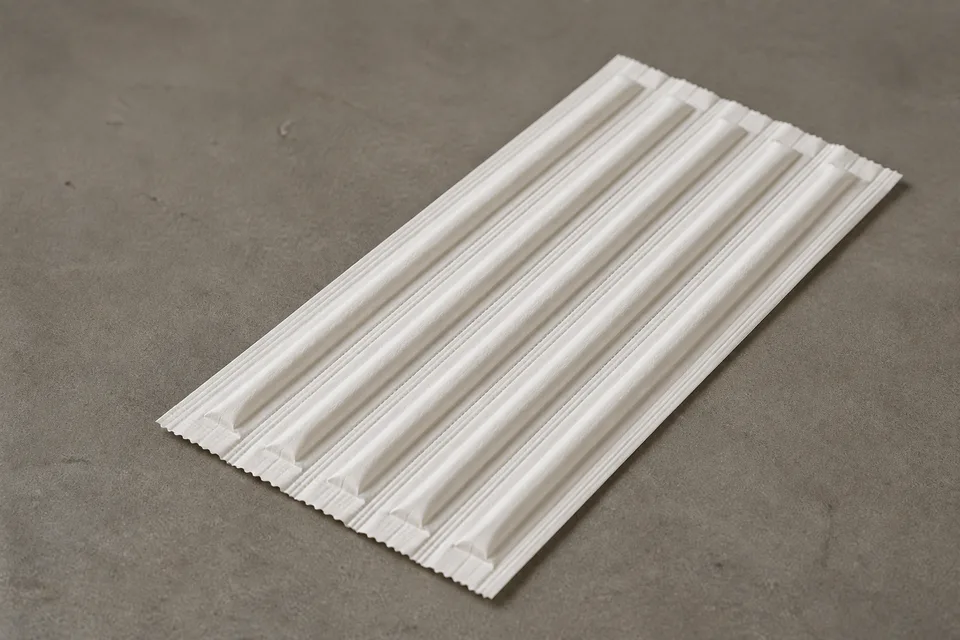
Attached Paper Straws
Connected continuous strip for high-speed automatic carton applicators.
View Product Specs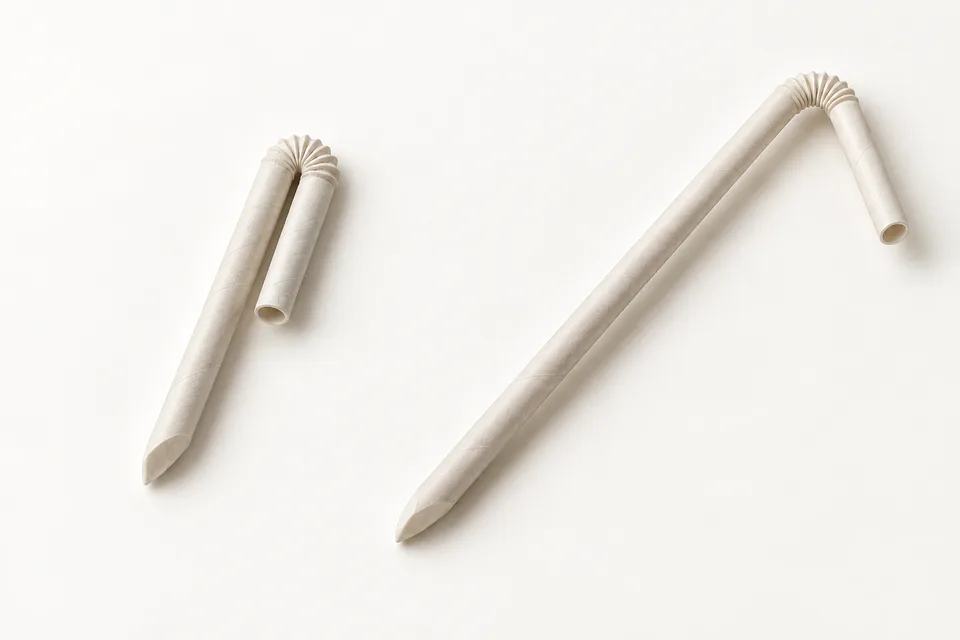
U-Shaped Paper Straws
Folded 180° format maximizing drinking reach on compact beverage cartons.
View Product Specs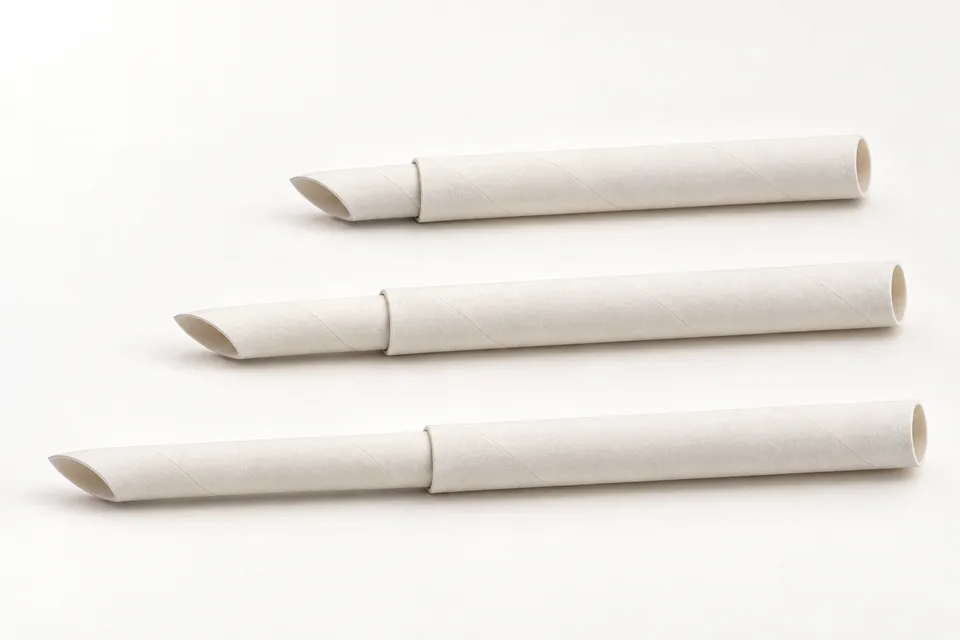
Telescopic Paper Straws
Two-section extendable design offering maximum reach from minimum packed length.
View Product Specs