In This Guide
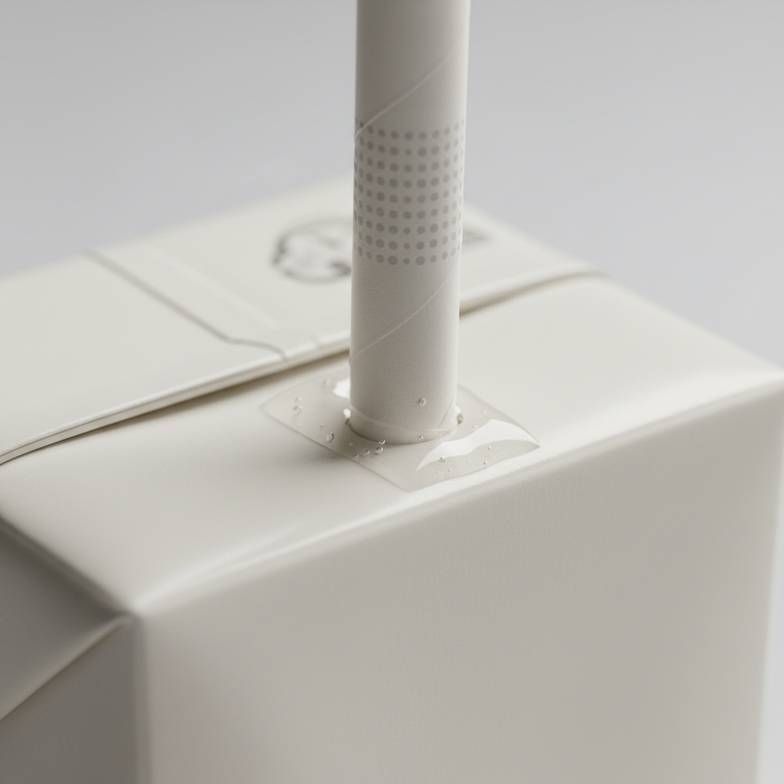
Sourcing attached paper straws for your beverage cartons feels like it should be a straightforward task. But then it happens—reports come in of straws falling off before they even reach the consumer. This isn't just a minor inconvenience; it's a direct hit to your brand's reputation and can create major logistical headaches. The solution to poor attached paper straw adhesion isn't about finding a stronger glue, but about understanding the complex interaction between the adhesive and your specific carton surface.
The strength of attached paper straw adhesion depends entirely on the compatibility between the adhesive and the specific surface coating of the beverage carton. Different coatings like PE, PLA, or various varnishes have different surface energies, which dictate how well a glue can "grip" the package. A universal adhesive doesn't exist; success requires matching the glue to the carton's unique surface chemistry.
Getting this right moves you from a game of chance to a predictable, reliable procurement process. It’s a technical detail, but it's the detail that ensures your product reaches the customer exactly as you intended. Let's explore why this interaction is so critical and what you can do to de-risk your supply chain.
Why Isn't There One "Best" Glue for Attached Paper Straw Adhesion?
You're trying to find a reliable paper straw supplier, so you ask what seems like a logical question: "Do you use a strong glue?" You're looking for a simple guarantee. But you may find that even with a supplier who promises a "high-performance" adhesive, the straws still fail to stick to your specific cartons. This can be incredibly frustrating.
There is no single "best" glue because attached paper straw adhesion is a system, not a standalone product. It's a chemical and physical relationship between three things: the adhesive, the carton's surface, and the straw's wrapper. The idea of a one-size-fits-all solution is a myth.
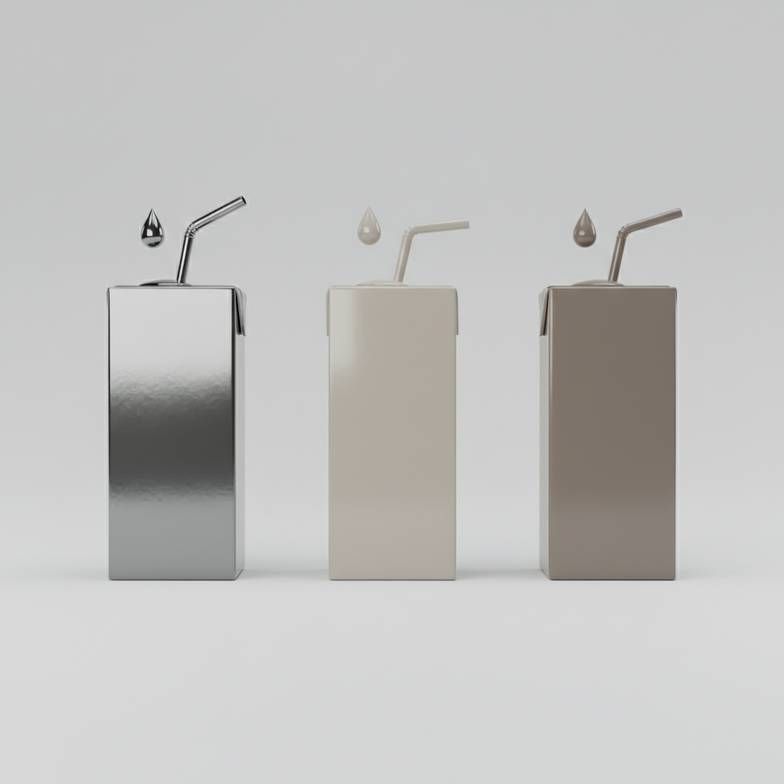
Dive Deeper: It’s All About Compatibility
The core of the issue lies in a concept called "surface energy." Think of it like this: a high-energy surface is "grippy" and easy for liquids like glue to spread across and bond with. A low-energy surface is "slippery," causing liquids to bead up and struggle to get a good hold.
Many modern beverage cartons use coatings that have very low surface energy, which presents a significant challenge for adhesives.
- PE (Polyethylene) Coatings: Widely used in aseptic and chilled cartons, PE is a plastic. Like most plastics, it has low surface energy. It’s designed to be a barrier to liquids, which also makes it a barrier to many standard adhesives.
- PLA (Polylactic Acid) Coatings: As a bio-based plastic alternative, PLA is growing in popularity. However, it shares the same low-surface-energy characteristics as PE, making it just as challenging to bond with.
- Varnishes and Overprints: This is where things get really tricky. A carton might have a water-based varnish, a UV-cured varnish, a matte finish, or a high-gloss finish. Each one creates a unique surface chemistry. A high-gloss UV varnish, for example, is notoriously difficult to bond with and often requires a highly specialized adhesive or surface pre-treatment.
I once worked with a customer who was using a beautifully designed carton with a soft-touch matte varnish. Their existing straw supplier couldn't solve the adhesion problem. The straws would pop off with the slightest touch. It wasn't until we got physical samples of their cartons in our hands that we could run tests. We found that a standard hot-melt adhesive wouldn't work at all. We had to switch to a specialized pressure-sensitive adhesive that was formulated specifically for these low-energy surfaces.
This table gives a simplified overview of the challenges:
| Coating Type | Common Use | Adhesion Challenge |
|---|---|---|
| PE (Polyethylene) | Aseptic and gable-top cartons | Low surface energy; requires specific hot-melt or pressure-sensitive adhesives. |
| PLA (Polylactic Acid) | Eco-friendly beverage packaging | Low surface energy, similar to PE; can be more brittle. |
| UV Varnish (Gloss) | Premium juice & dairy cartons | Extremely low surface energy; one of the most difficult surfaces to bond with. |
| UV Varnish (Matte) | Aesthetic-focused packaging | Variable surface energy; can be just as challenging as gloss. |
| Water-Based Varnish | General-purpose cartons | Performance varies widely by formulation; must be tested. |
The takeaway is clear: the conversation shouldn't be about the glue in isolation. It must be about the entire system, starting with the unique surface of your carton.
What Really Determines Good Attached Paper Straw Adhesion?
You've done your homework, specified a carton coating, and chosen a straw supplier who uses a seemingly appropriate glue. Yet, you still experience adhesion failures during transport or on store shelves. What could you have missed? The problem often lies in the subtle variables that go beyond the basic material names on a spec sheet.
Good attached paper straw adhesion is determined by a combination of factors: the specific chemistry of the carton's surface (not just its name), the physical structure of the paperboard beneath it, and the real-world conditions during application and distribution. Overlooking any of these can lead to failure.
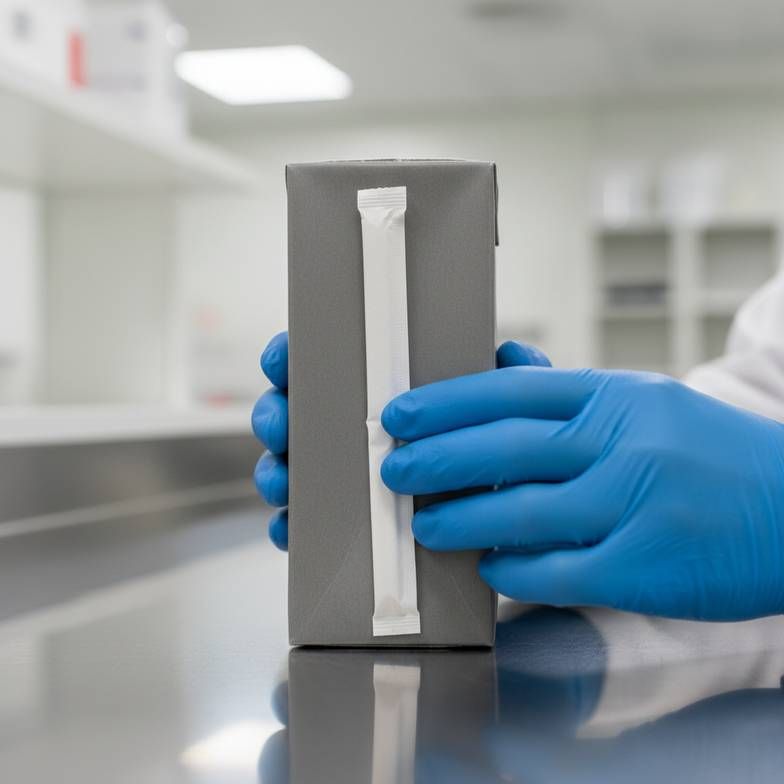
Dive Deeper: The Devil is in the Details
Success in straw attachment requires a holistic view that considers the entire lifecycle of the package. A bond that seems strong moments after application can fail weeks later under different conditions.
Beyond the Coating Name
Saying a carton is "PE-coated" is like saying a car is "red." It doesn't tell you the whole story.
- Formulation & Additives: The specific grade of PE, and any additives mixed in (like slip agents), can drastically alter its surface energy.
- Surface Treatment: Has the carton surface been "corona treated"? This is an industrial process that uses plasma to increase a surface's energy, making it easier for glues and inks to adhere. A treated surface behaves completely differently from an untreated one.
- Varnish Variables: For UV or water-based varnishes, the specific chemical formulation from the supplier, the thickness of the application, and the curing process all impact the final surface properties. A "matte varnish" from one carton converter is not the same as a "matte varnish" from another.
The Substrate Beneath Matters
The adhesive's job is to stick the straw wrapper to the carton's coating. But what if the coating itself doesn't have a strong bond to the paperboard underneath?
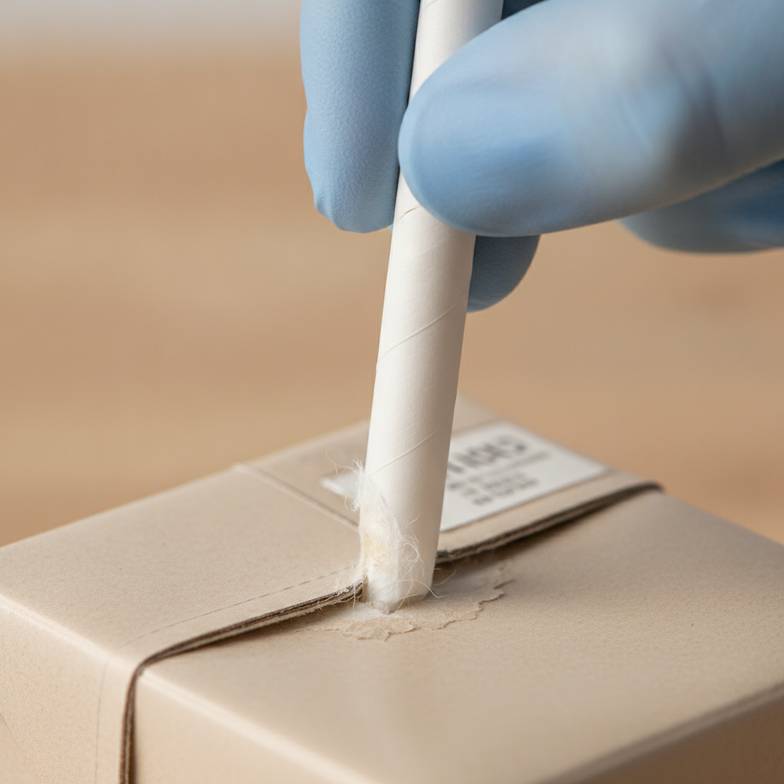
- Cohesive Failure vs. Adhesive Failure: In a perfect bond, if you peel the straw off, the paper fibers of the straw wrapper or the carton itself should tear. This is called cohesive failure, and it proves the adhesive bond is stronger than the paper itself. If the glue and wrapper peel cleanly off the carton, that’s adhesive failure, and it's a sign of a weak bond.
- Substrate Quality: If the carton uses a lower-grade, recycled paperboard, the top layer of paper fibers can be weak. The glue might bond perfectly to the PE coating, but the force of peeling the straw off could delaminate the PE film along with a thin layer of paper. The glue didn't fail, the paperboard did.
Real-World Application and Stress
The bond is not just formed; it’s tested.
- Application Conditions: Hot-melt adhesives are applied at a specific temperature. The pressure of the applicator and the "dwell time" (how long it's held in place) are critical. Too little pressure or time results in a weak bond. High humidity in the factory can also affect how some glues cure.
- Transport and Storage: A carton might leave the factory in a temperate climate, sit in a shipping container that reaches 50°C (122°F), and then be stored in a refrigerated warehouse at 4°C (39°F). These temperature swings cause the materials to expand and contract, putting constant stress on the adhesive bond.
You must consider all these factors together to truly understand and control the performance of your attached paper straw adhesion.
How Should You Evaluate a Supplier's Adhesion Capability?
When you're responsible for sourcing, you need confidence in your partners. Just looking at a supplier's brochure or accepting their verbal assurance that their glue is "strong" is a risky bet. So how do you move past the sales pitch and truly verify their ability to deliver a reliable product for your specific needs?
You should evaluate a supplier not by the adhesive they claim to use, but by their process for validating performance. The right question isn't "What glue do you use?" but "How do you prove that your straw will stick to my specific carton?" This shifts the focus from generic claims to verifiable, application-specific proof of good attached paper straw adhesion.
Dive Deeper: From Claims to Collaboration
A true manufacturing partner doesn't just sell you a product; they collaborate with you to solve a problem. Their process should be transparent and based on empirical testing with your actual materials.
> A supplier who asks for your cartons before promising a solution is a partner. A supplier who promises a solution before seeing your cartons is just a salesperson.
The Right Questions to Ask a Potential Supplier
Empower yourself by leading the conversation. Instead of accepting their marketing points, ask process-oriented questions:
- "Can you describe your validation process for new carton types?" A good supplier will have a standard operating procedure for this. They should mention requesting samples and performing specific tests.
- "What tests do you perform to confirm adhesion quality?" Look for answers that go beyond just "we stick it on and see."
- "Can we send you samples of our cartons for you to test and report back on?" Their willingness to do this is a huge indicator of their capability and customer focus.
What a Good Validation Process Looks Like
When we at PaperStrawTech onboard a new client with a unique carton, we follow a strict process. This is the kind of methodology you should look for in any potential partner.
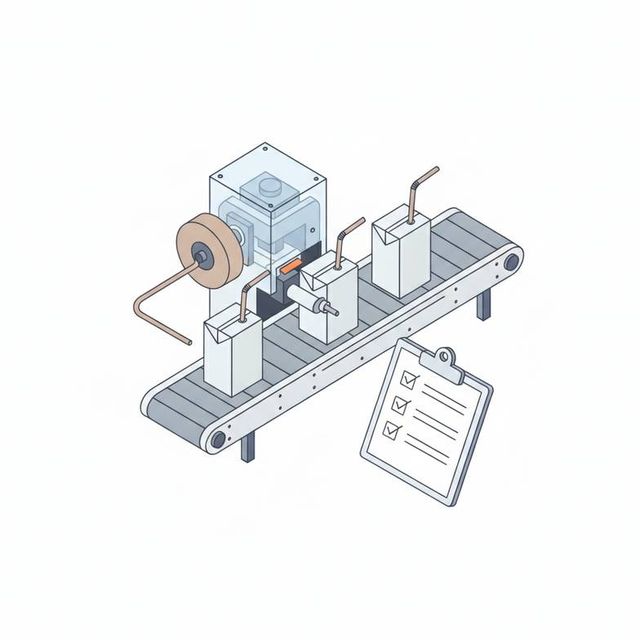
- Step 1: Obtain Actual Carton Samples. We insist on receiving several flat, unassembled samples of the client's exact carton. Not a "similar" one, but the real thing.
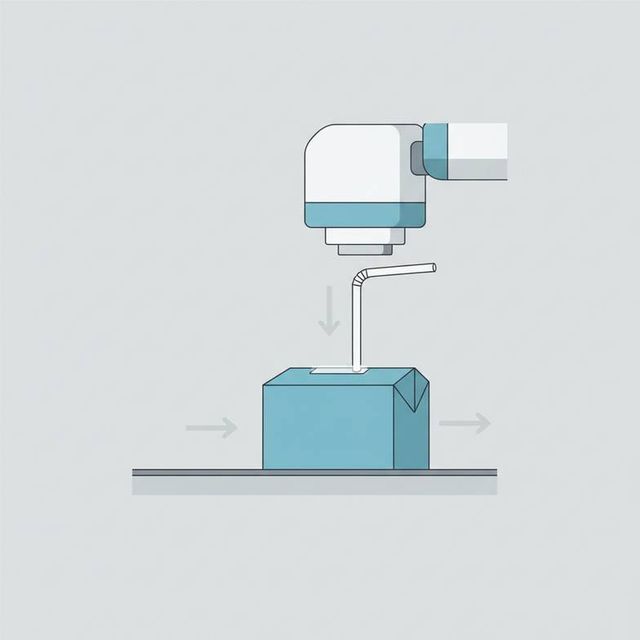
- Step 2: Application Simulation. We apply the straw and adhesive using machinery that simulates the temperature, pressure, and dwell time of a high-speed production environment.
- Step 3: Curing and Aging. The bond is not tested immediately. Hot-melt and pressure-sensitive adhesives need time to fully cure and develop their ultimate bond strength. We typically wait 24-48 hours.
- Step 4: The Manual Peel Test. This is the most important practical test. A technician manually peels the straw off the carton. We are looking for one thing: a fiber-tear bond. If the glue peels cleanly off the carton's surface (adhesive failure), the test has failed. If the paper of the straw wrapper or the top layer of the carton tears, leaving fibers behind on both surfaces (cohesive failure), we know the bond is stronger than the materials themselves. This is our primary indicator of success.
- Step 5: Reporting and Adjustment. We document the results with photos and share them with the client. If the initial test fails, we don't give up. We move to a different adhesive formulation from our portfolio and repeat the process until we achieve that critical fiber-tear bond.
This systematic approach removes guesswork and replaces it with evidence. It ensures that the chosen adhesive system is perfectly matched to your packaging, providing the reliable attached paper straw adhesion your brand depends on.
Frequently Asked Questions
Can we use the same glue for both PE and PLA coated cartons?
It's highly risky and not recommended. While both are plastics with low surface energy, their specific chemical properties differ. An adhesive optimized for PE may not achieve a strong, lasting bond on PLA. Always validate the adhesive for each specific carton substrate to ensure reliable performance and prevent large-scale failures.
What is a "fiber-tear" bond and why is it important?
A "fiber-tear" bond occurs when you peel the straw off the carton and paper fibers from the straw wrapper or the carton itself are torn away. This is the gold standard for attached paper straw adhesion because it proves the adhesive bond is physically stronger than the paper substrate, ensuring the straw will not fall off cleanly.
How does humidity affect the straw attachment process?
High humidity can significantly impact how certain adhesives, particularly some hot-melts and water-based formulas, cure and set. It can prolong the "open time" or drying time, potentially leading to a weaker initial bond if the process isn't controlled. Consistent environmental conditions in the application facility are key to consistent adhesion.
Is a stronger, more aggressive glue always better?
Not necessarily. The goal is a compatible adhesive, not just a strong one. An overly aggressive adhesive could potentially damage the delicate printing on the carton or even cause the carton's surface to delaminate. The ideal solution creates a bond that is strong enough to hold the straw securely through its lifecycle without compromising the package's integrity.
Conclusion
Ultimately, ensuring reliable attached paper straw adhesion is not about finding a single magic glue. It is a risk management process. Success comes from understanding that adhesion is a system dependent on your unique carton surface, the adhesive, and the application environment. Shifting your focus from asking "what glue do you use?" to "how do you validate performance on my carton?" is the most critical step you can take. A true partner will welcome this question and work with you, using a systematic testing process to prove their solution works for your specific needs before you commit to a large order. This collaborative, evidence-based approach is the surest path to protecting your product quality and brand reputation.
Don't leave your packaging integrity to chance. If you're facing adhesion challenges or starting a new beverage packaging project, let's discuss a practical solution. Contact us to request a carton format review, and we can begin the validation process to find a reliable adhesive system for your brand.
Matched Formats for Beverage Cartons
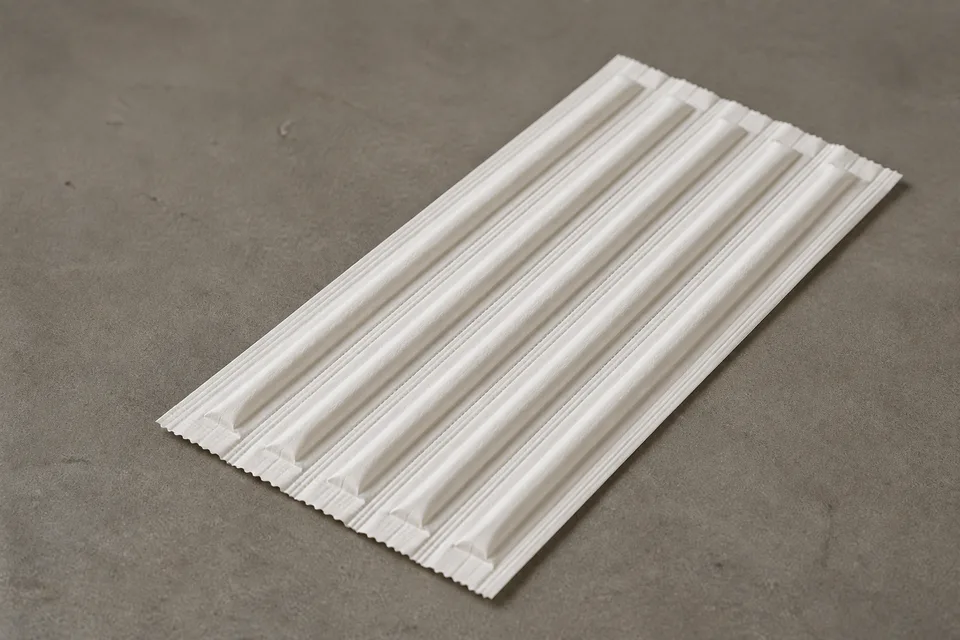
Attached Paper Straws
Connected continuous strip for high-speed automatic carton applicators.
View Product Specs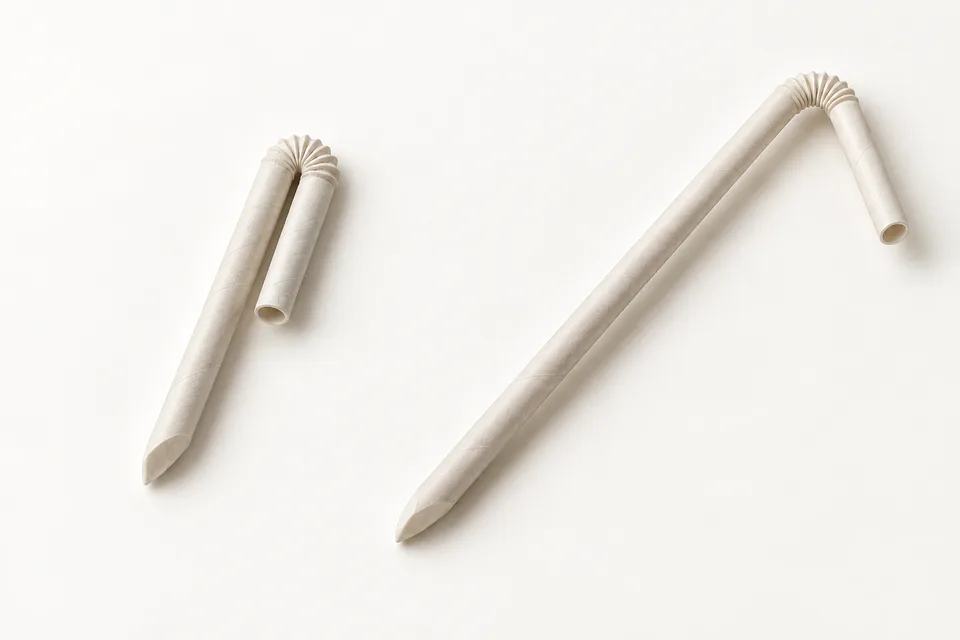
U-Shaped Paper Straws
Folded 180° format maximizing drinking reach on compact beverage cartons.
View Product Specs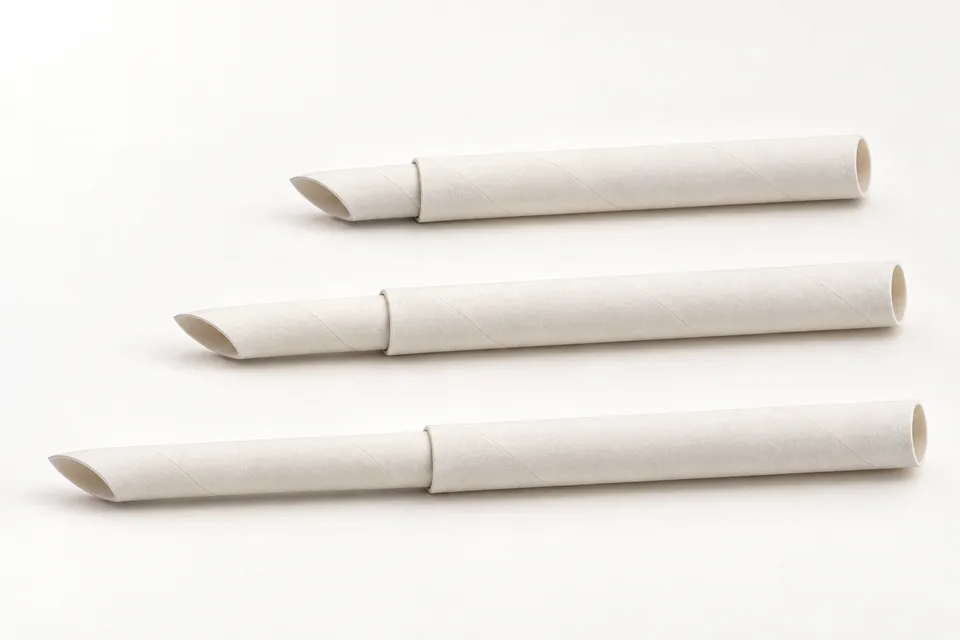
Telescopic Paper Straws
Two-section extendable design offering maximum reach from minimum packed length.
View Product Specs