
In This Guide
Tired of your production line grinding to a halt because the straw applicator is jammed again? The constant alarms, wasted beverage cartons, and lost time create a huge headache, and it’s easy to start blaming the quality of your straws. But the root cause of an attached paper straw misfeed is often a more subtle problem: a system mismatch that, once understood, can be solved for good.
Attached paper straw strips misfeed primarily due to a mismatch between the straw strip's geometry (like row pitch and alignment) and the applicator machine's specific settings and tolerances. Wrapper properties, such as friction, static, and tear resistance, also play a critical role, causing jams even if the straw dimensions seem correct.
It's tempting to think you just received a "bad batch" of straws and that another supplier will have the magic fix. But in my experience, the problem is rarely that simple. The real solution comes from systematically investigating the three key elements at play: the straw strip’s geometry, the wrapper’s physical properties, and your applicator machine’s settings.
Is the Row Geometry of Your Attached Paper Straw Strip Correct?
You ordered strips that meet a "standard" specification, but your applicator is rejecting them one after another. You assume your supplier must have made a mistake, yet they confirm the straws match your purchase order. The frustration is real. The issue? "Standard" isn't universal, and for reliable performance, the geometry must be an exact match for your specific applicator.
The "correct" row geometry for an attached paper straw strip is entirely relative to the applicator machine it's meant for. Key dimensions like pitch (the distance between straws) and alignment must precisely fit the machine's feeding and separating mechanism to prevent errors.
Dive Deeper: Why Geometry is Relative
When a customer calls us about misfeeds, our first question isn't about the straw's material quality. It's, "Can you send us the specification sheet for your applicator machine?" This is because the machine dictates the straw's required dimensions, not the other way around. A straw strip that runs perfectly on one brand of machine might cause constant jams on another.
Let's break down the critical geometric factors.
Key Geometric Specifications
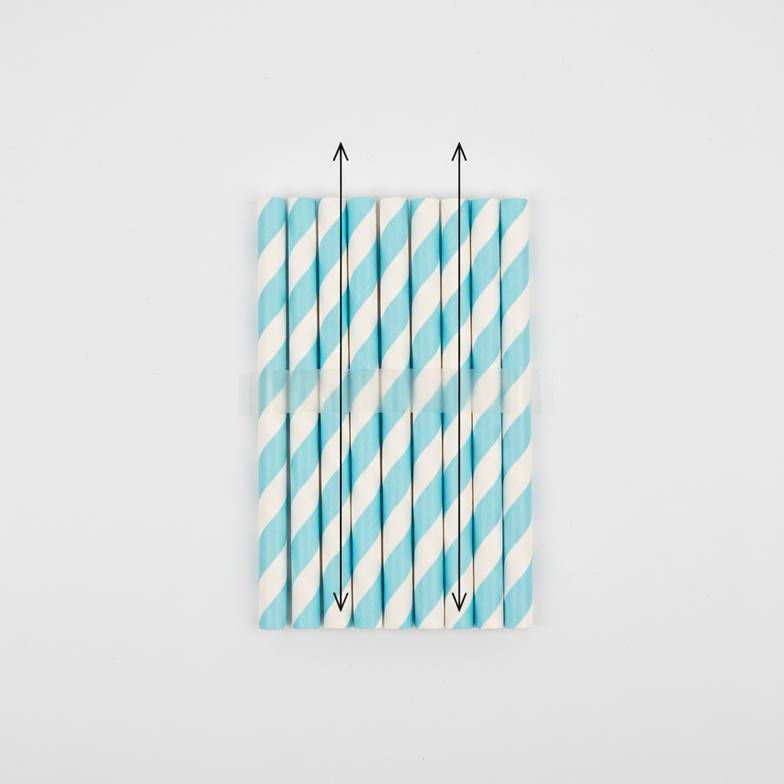
- Row Pitch: This is the center-to-center distance between adjacent straws in a continuous strip. Applicator machines are designed to advance the strip by a precise distance and then grab or push a single straw. If the machine's gripper expects to find the next straw at a 25mm pitch, but your strip's pitch is 25.5mm, the error will accumulate. After a few cycles, the gripper will miss the straw entirely or hit the space between straws, causing a fault.
- Alignment: This refers to how parallel the straws are to each other. If straws are even slightly skewed, the applicator's gripper may not be able to grab it cleanly. This can lead to crushed straws, incomplete transfers, or jams within the feeding channel. Poor alignment is often a sign of issues in the straw manufacturing or packing process.
- Tolerance: This is the acceptable margin of error for a given dimension. High-speed applicators, some running at hundreds of units per minute, have incredibly tight tolerances. A variance of even half a millimeter in pitch might be acceptable for a slower machine but could be a fatal flaw on a faster line.
Why a "Standard" Attached Paper Straw Doesn't Exist
We often see companies try to solve misfeed issues by ordering samples from multiple suppliers in a process of trial and error. This is usually inefficient and costly. The problem is the assumption that a "standard" attached straw exists. In reality, different applicator manufacturers in Europe, Asia, and North America have developed their own systems with unique dimensional requirements.
The most effective approach is to move from guesswork to engineering. By providing your supplier with your machine's specifications, they can configure a straw strip that is built for your system.
| Geometric Factor | What It Is | How It Causes Misfeeds |
|---|---|---|
| Row Pitch | The center-to-center distance between straws. | If the pitch is incorrect, the machine's mechanism misses the straw, grabs two, or jams. |
| Row Alignment | How parallel the straws are within the strip. | Skewed straws can't be picked up cleanly, leading to crushed straws and jams. |
| Strip Width | The total width of the continuous straw strip. | If too wide or narrow, the strip won't move smoothly through the machine's guide rails. |
Could the Wrapper Itself Cause Misfeeds on Your Attached Paper Straw Applicator?
So you’ve confirmed the straw strip's dimensions are perfect. The pitch is right, the alignment is true, but the applicator still jams. It might fail to separate a single straw, or the wrapper tears in the wrong spot. You're stumped. If the geometry is correct, what else could be wrong? The answer often lies with the most overlooked component: the wrapper material itself.
Absolutely. The wrapper's coefficient of friction, potential for static electricity buildup, and its tear-off performance are critical factors. A wrapper that's too slick, too sticky, or tears unpredictably can easily cause jams in high-speed machinery, even when all the dimensions are spot on.
Dive Deeper: When the Wrapper is the Real Problem
A wrapper does more than just keep the straw clean; it's a functional component that has to interact perfectly with your machinery. When we troubleshoot issues that aren't related to geometry, we look at these three physical properties of the wrapper.
Beyond a Simple Seal: Key Wrapper Properties
- Coefficient of Friction (COF): In simple terms, this is how slippery or sticky the wrapper surface is. Every feed system, whether it uses rollers, belts, or pushers, is designed for a specific COF range.
- If the COF is too low (too slick), the straw strip might slide too far in the feed channel, overshooting the target position for the gripper.
- If the COF is too high (too sticky), the feed rollers may struggle to advance the strip smoothly, or a single straw's wrapper might cling to its neighbor instead of separating cleanly. I've personally seen cases where a customer switched to a wrapper with a slightly different gloss coating, and it was enough to cause feed errors because the COF changed.
- Static Electricity: As paper and plastic films move quickly over metal machine parts, they can build up a significant static charge. This static can cause the thin wrapper film to cling to guide rails, sensors, or the applicator head itself. Instead of feeding smoothly, it sticks where it shouldn't, causing a jam. Some wrapper materials have anti-static properties to help mitigate this, which can be a lifesaver on very high-speed lines.
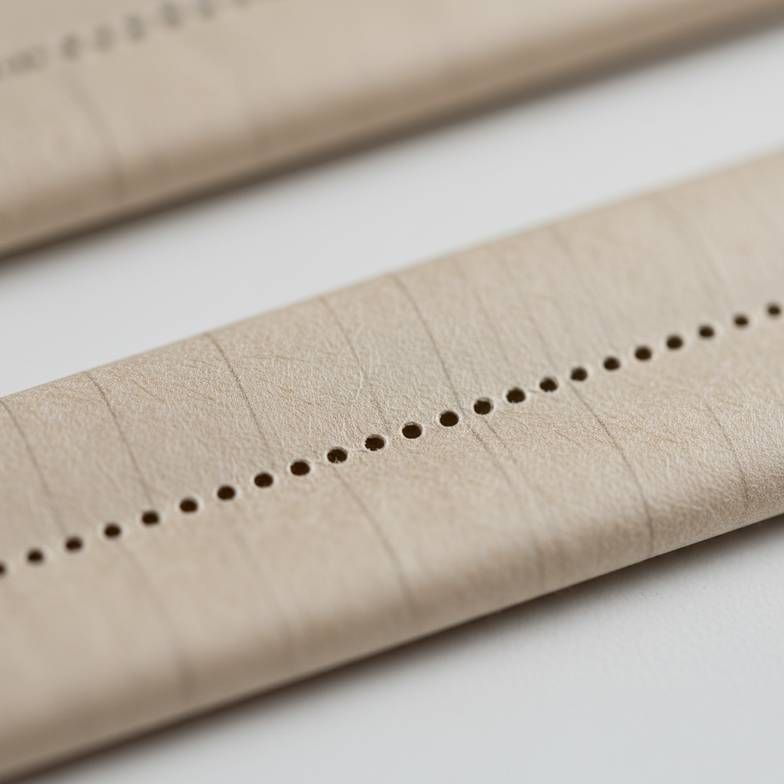
- Tear-Off and Perforation: The perforated line where one straw's wrapper is meant to tear away from the next is a feat of engineering.
- If the perforation is too weak, straws can break apart in the magazine or during feeding, leading to loose straws in the machine.
- If the perforation is too strong, the applicator may fail to separate a single straw cleanly. Instead, it pulls the entire strip forward or tears the wrapper in the wrong place, resulting in a major fault. The tear needs to be clean and predictable, without creating small flecks of paper that can clog the machine or its optical sensors.
How Does Machine Compatibility Affect Attached Paper Straw Performance?
You've gone through the checklist. The straw geometry matches the specs, and the wrapper material seems fine. Yet, the misfeeds persist. It's easy to start thinking your expensive applicator machine is faulty, and you begin dreading a costly service call. Before you pick up the phone, it’s vital to see the bigger picture: performance is about system compatibility, not just one "good" or "bad" component.
Machine compatibility is the final, crucial piece of the puzzle. The performance of an attached paper straw strip is ultimately defined by how well its complete set of specifications aligns with the applicator's design, including its feeding mechanism, sensor type, and operational settings.
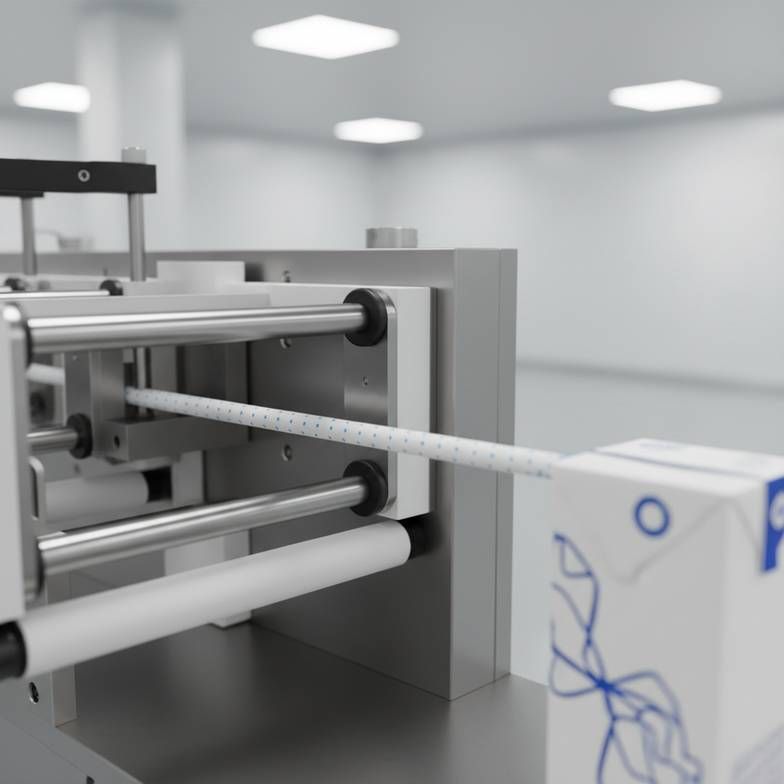
Dive Deeper: It’s a System, Not Just a Straw Problem
The single most important concept we try to communicate to our clients is this: the straw, the wrapper, and the machine form a single, integrated system. A misfeed isn't a straw problem or a machine problem; it's a symptom of an incompatibility within that system. The goal is to get all three elements working in harmony.
When a straw strip that used to work suddenly starts failing, it's often due to a subtle change in one part of this system.
Key Machine Factors to Check
- Feeding Mechanism: Applicators use different mechanisms to isolate and apply a straw. Some use mechanical gripper arms, others use vacuum suction heads, and some use a combination of rollers and pushers. Each type has different sensitivities. A gripper-arm system is highly dependent on a perfect row pitch. A vacuum system can fail if the wrapper material is too porous, preventing a good seal. Knowing your machine's mechanism is key to diagnosing the issue.
- Sensors: Modern applicators rely on optical sensors to detect the presence, position, and successful application of a straw. These sensors can be tripped up by unexpected variables. For example, if you switch to a straw with a dark-colored or highly reflective wrapper, the sensor might not "see" it correctly. Similarly, low-quality paper or wrappers that create dust can coat the sensor's lens over time, leading to phantom errors.
- Speed and Wear: Are you running the machine at the top end of its rated speed? High speeds magnify any minor inconsistency in the straw strip's geometry or the wrapper's properties. A strip that works fine at 200 units per minute might start failing at 400. Furthermore, machine components wear down. Grippers, cutting blades, and feed rollers can lose their sharp edges or precise tolerances over months of operation. A straw strip that worked when the machine was new may start failing as these parts wear.
This is why a collaborative partnership with your supplier is so effective. Instead of just sending you boxes of straws, a true solutions provider will want to discuss your machine type, operational speed, and any recent changes to your line. This allows us to work with you to engineer an attached paper straw strip that is truly optimized for your entire system.
Frequently Asked Questions
How do I measure the row pitch of my straw strips?
Use a pair of digital calipers for the best accuracy. Measure the distance from the exact center of one straw to the center of the next one. Take this measurement at several different points along the strip and calculate the average. Consistency is key, so also note any significant variations. Sharing this data with your supplier is a great first step in troubleshooting.
Could a change in beverage carton size cause misfeeds?
Indirectly, yes. When you change the carton size or format, you often have to recalibrate the applicator's position, timing, and stroke. This change can expose a pre-existing, minor incompatibility with your attached paper straw strip that wasn't noticeable before. A system change always requires re-verifying that all components are still working in harmony.
Is a more expensive paper straw less likely to misfeed?
Not necessarily. While price often correlates with higher-quality raw materials and construction, a misfeed is fundamentally a compatibility problem. The most robust, premium attached paper straw will fail consistently if its geometry doesn't match your applicator's requirements. The "best" straw is the one that is correctly engineered for your specific production line.
My supplier says their straws are "standard." Why are they failing?
The term "standard" can be misleading because there is no single, universally accepted international standard for attached straw strip geometry. A supplier's "standard" usually just means it's their most common configuration. It is crucial to verify that their standard dimensions precisely match the specific requirements published by your applicator machine's manufacturer.
Conclusion
Solving persistent attached paper straw misfeeds is rarely about finding a "better" straw; it's about achieving perfect harmony within your production system. The key is to stop focusing only on the straw as the source of failure and instead analyze the complex interplay between the strip's row geometry, the wrapper's physical properties, and your applicator's unique design and settings. You can end the frustrating and costly cycle of trial-and-error. By working with a production partner who understands this systems-based approach, you can engineer a reliable solution that is specifically tailored to your machinery, ensuring smooth, efficient, and uninterrupted operation.
If you're struggling with production downtime from straw applicator jams, we can help. Request a carton format review today, and let our team analyze your machine specifications to configure an attached paper straw solution that truly works for you.
Matched Formats for Beverage Cartons
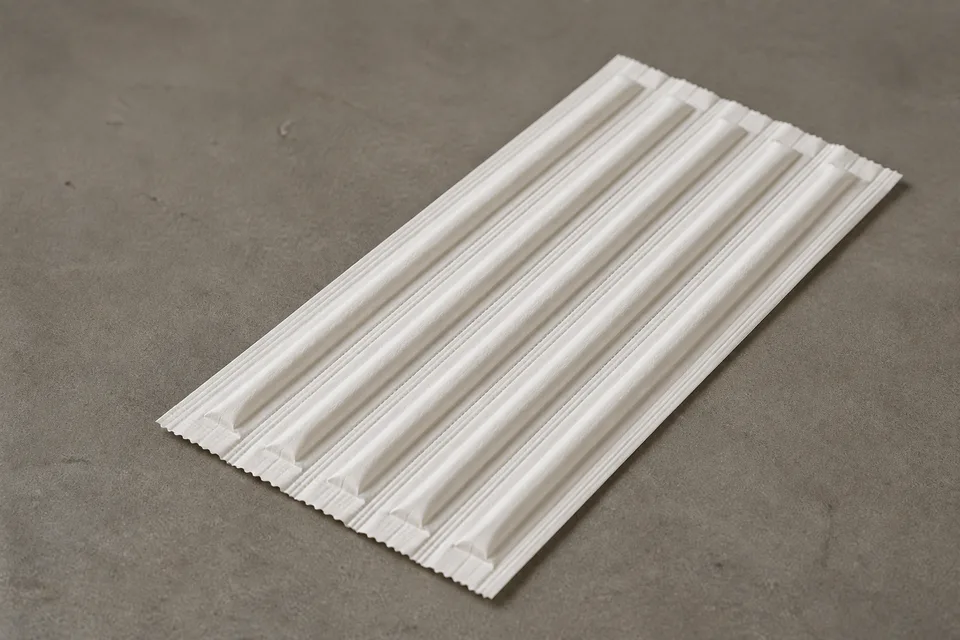
Attached Paper Straws
Connected continuous strip for high-speed automatic carton applicators.
View Product Specs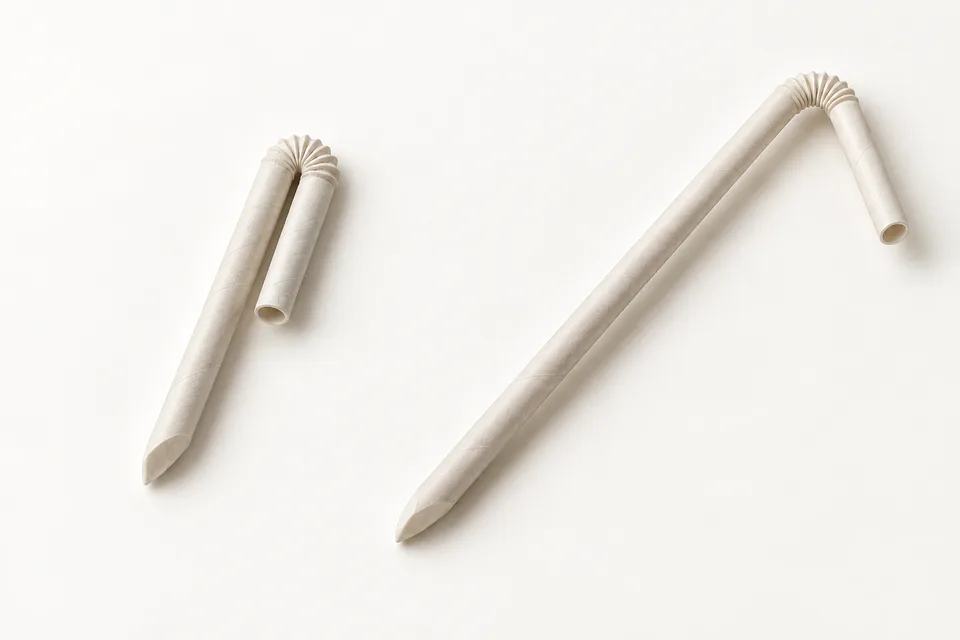
U-Shaped Paper Straws
Folded 180° format maximizing drinking reach on compact beverage cartons.
View Product Specs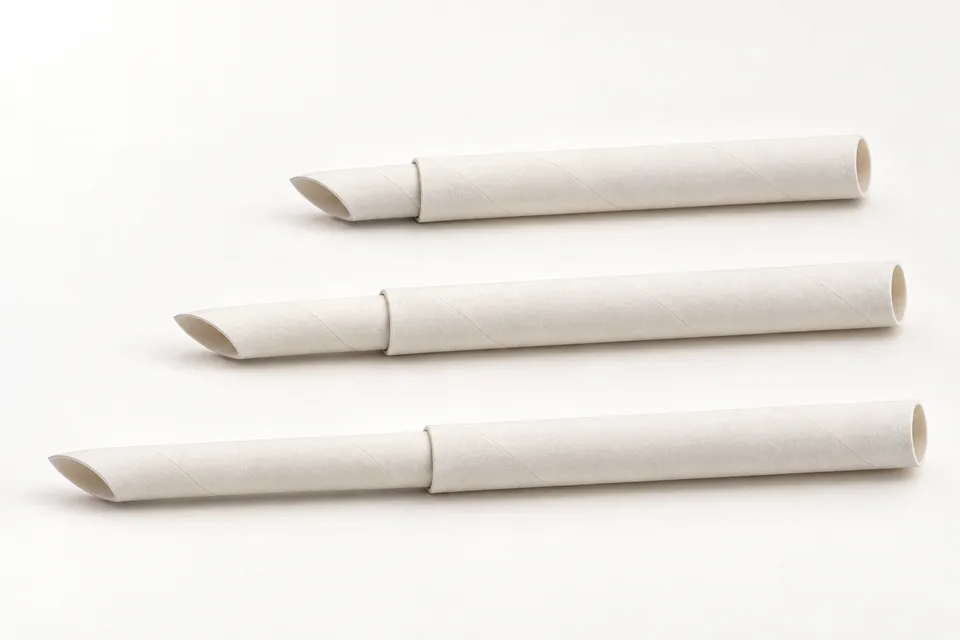
Telescopic Paper Straws
Two-section extendable design offering maximum reach from minimum packed length.
View Product Specs