In This Guide
Choosing the right straw for your beverage cartons can feel like a simple task, but getting it wrong can lead to huge headaches. You might face jammed packaging lines, wasted inventory, and frustrated customers. The key to success is understanding that matching a U-shaped paper straw to your carton is about managing a complete system, not just buying a single component off a shelf.
The correct way to match a U-shaped paper straw to a compact carton is by verifying a set of interdependent specifications, not just the overall length. You must ensure the straw's total length, the position of its U-bend, and its pointed tip all align perfectly with the carton's height and the location of the straw hole. Furthermore, the paper's rigidity must be sufficient to pierce the carton, and its wet strength must prevent it from getting soggy during use.
Now you know the core principle: it’s a matching game with multiple variables. But what do those variables actually mean in practice? Let's dive into the details that procurement managers and packaging engineers need to get right to avoid costly mistakes.
What Are the Most Critical Dimensions for a U-Shaped Paper Straw?
You’ve got a 200ml juice box, so you just need a "standard" 200ml straw, right? I've seen this assumption cause major problems. Focusing only on one dimension, like overall length, is a recipe for failure because not all 200ml cartons are designed the same way.
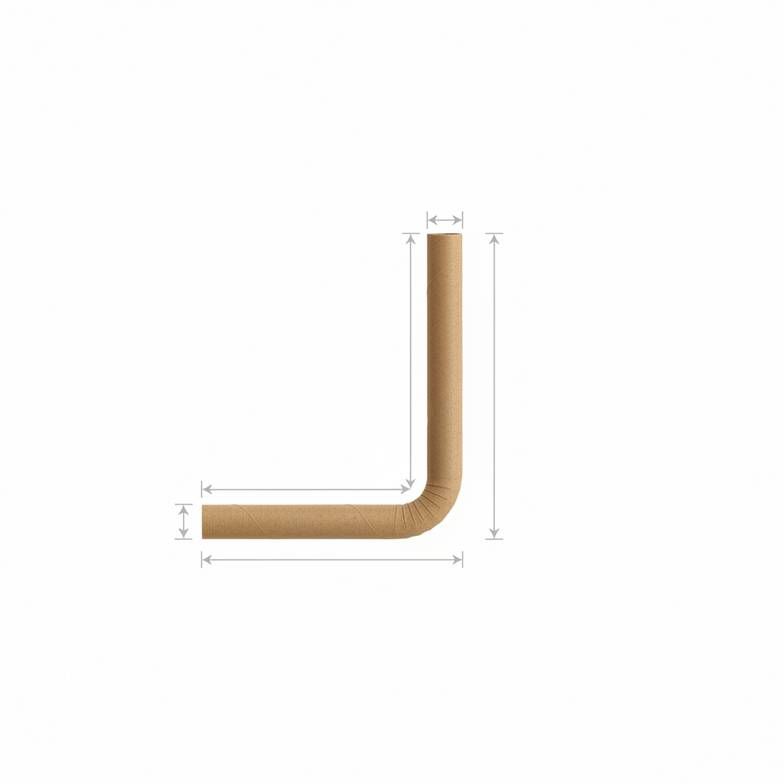
The truly critical dimensions for a U-shaped paper straw are the total length, the effective drinking length after it’s straightened, and most importantly, the position of the U-bend. These three factors must work in harmony with your specific carton design.
Dive Deeper
When we consult with a new client, we don't start by quoting a price. We start by asking for the carton's specifications. Why? Because the details matter.
Beyond Total Length: The Two "Legs" of the U
A U-shaped straw has two legs: a short one and a long one. The combined length of these two legs plus the bend gives you the "total unfolded length." But that number alone doesn't tell you enough.
- The short leg: This part of the straw, with the pointed tip, is designed to pierce the carton. Its length must be enough to puncture the seal and reach the liquid, but not so long that it hits the bottom of the carton and bends.
- The long leg: This is the part the consumer drinks from. Its length determines how comfortable it is to use. It needs to be long enough to stick out of the carton at a convenient height.
We often see clients specify a total length of, say, 140mm, but the real issue is the ratio between the short and long legs. If the bend is in the wrong place, even a straw with the "correct" total length will fail.
The U-Bend: Why Position is Everything
The U-bend is designed to hook over the top edge of the beverage carton. This is the most overlooked and yet most critical geometric feature.
Think about it: if the bend is too high (meaning the short leg is too long), the tip might overshoot the straw hole when attached to the carton. If the bend is too low (short leg is too short), the tip won't be held securely against the carton and could get damaged during transport, or it won't be long enough to reach the liquid properly once inserted. The goal is a snug fit where the bend rests perfectly along the top crease of the carton.
Diameter's Role in Flow and Feel
Diameter might seem less critical, but it affects both the user experience and the structural integrity.
- A smaller diameter (e.g., 4mm) is common for thin liquids like juice or milk. It requires less force to pierce the carton seal.
- A larger diameter (e.g., 6mm) is better for thicker drinks like smoothies or milkshakes, but it requires a more rigid straw to avoid buckling when piercing a larger hole.
Here’s a simple breakdown of how these dimensions interact:
| Dimension | What it Affects | What Happens if it's Wrong |
|---|---|---|
| Short Leg Length | Piercing depth & alignment | Bends on impact; doesn't reach liquid. |
| Long Leg Length | Drinking comfort & ergonomics | Too short to drink from; feels awkward. |
| U-Bend Position | Fit on the carton's edge | Straw is loose; misaligned with the hole. |
| Diameter | Liquid flow rate & piercing force | Poor flow; straw buckles when piercing. |
The first thing a reliable partner will ask you for is a sample of your carton or at least a detailed technical drawing. This isn't to be difficult—it's to prevent you from ordering 5 million straws that don't work.
Why Do Paper Strength and Material Matter for a U-Shaped Paper Straw?
So you've nailed the dimensions. The straw fits the carton like a glove. But now you're getting complaints that the straw bends when kids try to poke it through the foil, or it turns into a soggy noodle after five minutes in the juice. This is where material science comes in.
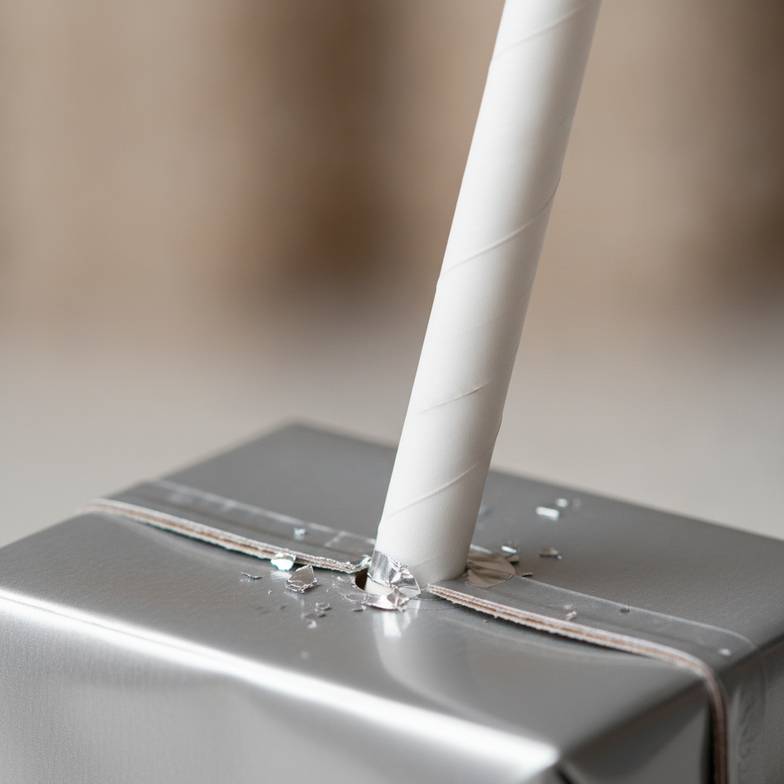
The strength of the paper used for your U-shaped paper straw is not a luxury—it's a core functional requirement. The paper's rigidity determines if the straw can do its first job (piercing the carton), and its wet strength determines if it can survive its second job (sitting in liquid).
Dive Deeper
When you're evaluating a paper straw, you're really evaluating the paper, the glue, and how they're constructed. As a buyer, you don't need to be a paper engineer, but you do need to know what functional qualities to look for.
The Piercing Test: Rigidity and Sharpness
A paper straw tip needs to be strong enough to puncture the foil or plastic-laminated paperboard of the straw hole. This strength comes from a few factors:
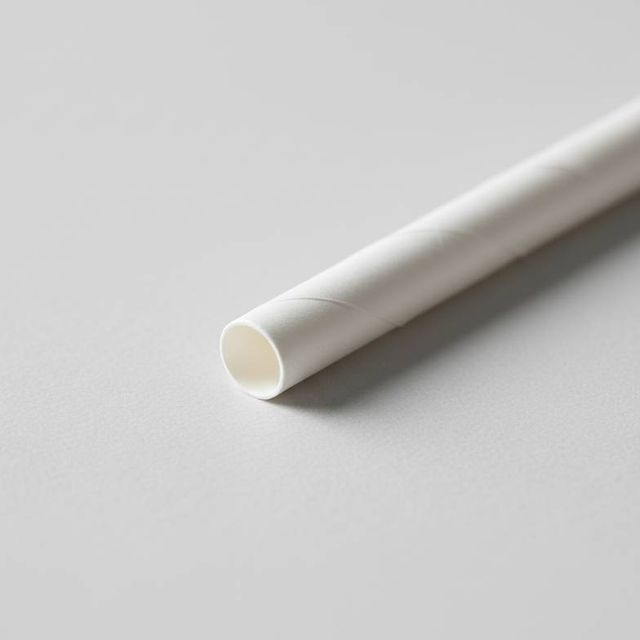
- Paper Layers: Most paper straws are made from three layers of paper. Using high-quality, dense kraft paper is the first step.
- Glue: The adhesive used to bind the layers is crucial. A weak adhesive will allow the layers to delaminate under pressure, causing the tip to buckle.
- The Angle of the Tip: A sharper, more defined point concentrates the force, making piercing easier. This is controlled by the cutting machinery during production.
In my experience, this is a common failure point. A manufacturer might use cheaper, lower-grammage paper to cut costs, resulting in a straw that looks fine but collapses on impact. Always request samples and test them on your actual cartons. Try to pierce the hole yourself. If it’s difficult for an adult, it will be impossible for a child.
The Soggy Straw Problem: Evaluating Wet Strength
This is the most famous complaint about paper straws. "Wet strength" refers to the paper's ability to maintain its structural integrity when saturated with liquid. For a straw attached to a juice box, this is non-negotiable. The child will likely take 15-30 minutes to finish their drink, and the straw must remain firm for that entire duration.
High-quality food-grade paper and water-resistant adhesives are key. When we develop a U-shaped paper straw for a client, we don't just check dimensions. We perform submersion tests, simulating how the straw will perform in different liquids (like acidic juices vs. neutral milk) over time.
Food-Contact Compliance and Taint
Finally, the materials must be safe. This means the paper, the glue, and any printing inks must all comply with food-contact regulations in your target market (e.g., FDA in the US, LFGB in Germany). It's also important to ensure the materials don't impart any taste or smell to the beverage. A good supplier should be able to provide documentation for their raw materials, which you should independently verify.
How Does the Application Machine Affect Your Straw Choice?
You've done it. You found a straw with the perfect dimensions and great paper strength. You order a full container. Then, the shipment arrives, and your production manager calls you in a panic. The straw applicator machine is jamming every 100 cartons, and the production line has ground to a halt.
Here's a secret that many procurement teams learn the hard way: the perfect U-shaped paper straw is useless if it's not compatible with the machine that attaches it to the carton. The straw and its individual wrapper are part of a high-speed automated system.

Dive Deeper
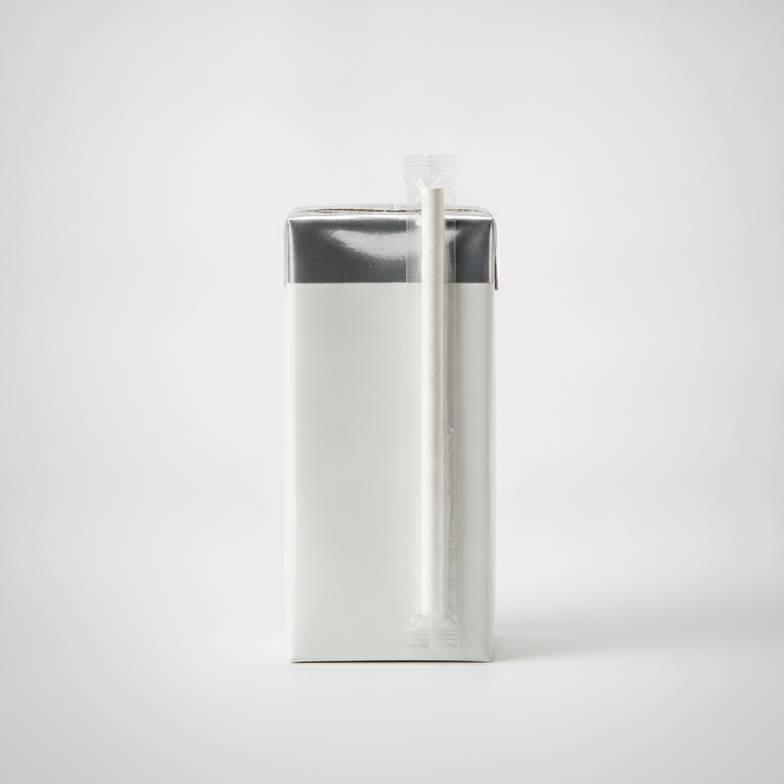
The straw application machine is a precise piece of equipment. It grabs a single, wrapped straw from a reel or magazine, applies a dot of hot-melt glue, and presses it onto the carton at a specific location—all in a fraction of a second. Any small deviation can cause a jam.
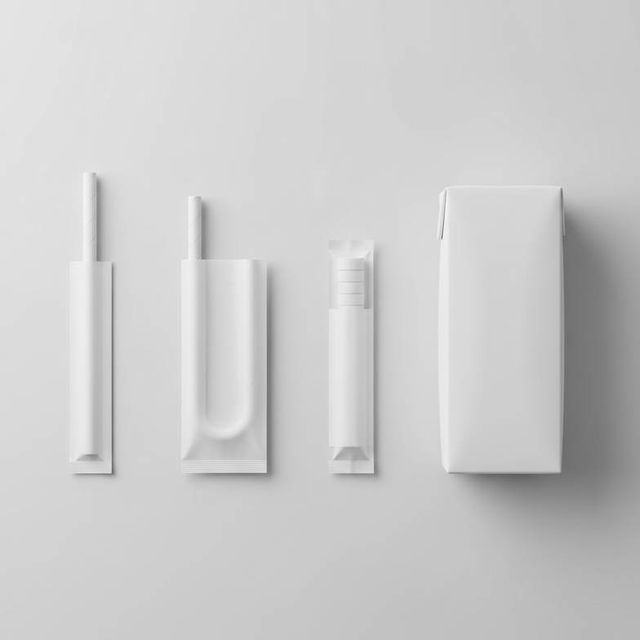
The Importance of the Individual Wrapper
The wrapper isn't just for hygiene; it's a critical part of the application process.
- Film Stiffness: The plastic film wrapping the straw must have the right stiffness. If it's too flimsy, it might not feed correctly into the machine's grippers. If it's too stiff or brittle, it could crack or fail to seal properly.
- Wrapped Dimensions: The machine is calibrated for a very specific width and thickness of the wrapped straw. A straw that is slightly too thick or a wrapper that is slightly too wide can cause jams in the feeding channel.
- Seal Strength: The wrapper's seal must be strong enough to withstand the handling process but easy enough for a consumer to tear open.
We always ask our machinery customers about their existing straw supply, and we ask our straw customers about their application machines. The two are inseparable.
Adhesive Compatibility and Placement
The machine applies a small bead of hot-melt adhesive to the back of the wrapped straw just before pressing it onto the carton. The wrapper's material must be compatible with this glue. Some films don't bond well, leading to straws falling off the cartons during transit—a surefire way to get complaints from retailers and consumers.
The position where the straw is attached is also crucial. It must align with the carton's design and not cover up any branding or nutritional information.
Why You Must Test Samples on Your Production Line
I cannot stress this enough: before placing a bulk order, you must run sample straws on your actual production line. A simple hand-test in your office is not enough.
Only a live trial will tell you if:
- The straws feed smoothly from the magazine.
- The grippers can pick up the straw consistently.
- The hot-melt glue adheres properly to the wrapper.
- The straw is placed accurately on the carton, every single time.
A reliable supplier of U-shaped paper straws will not only provide samples but will be keen to hear the results of your production trial. Their goal is to be a long-term partner, not a one-time seller of a product that causes you problems.
Frequently Asked Questions
Can I use a standard 200ml carton straw for any 200ml carton?
No, this is a common mistake. The height, width, and straw hole position can vary significantly between different brands of 200ml cartons. You must match the straw's dimensions, especially the U-bend position, to your specific carton for a reliable fit.
What's the best way to test a new U-shaped paper straw?
First, perform a manual fit test with your carton. Then, check its piercing ability and wet strength by leaving it in the beverage for at least 30 minutes. Most importantly, run a trial with a sample batch on your actual straw application machine to check for compatibility and potential jams.
How important is the individual wrapping?
It is critically important for two reasons. First, it ensures the straw remains hygienic until the consumer uses it. Second, the wrapper's material, stiffness, and dimensions are vital for compatibility with the high-speed machinery that attaches the straw to the carton. The wrong wrapper will jam the production line.
Is there a difference between a U-shaped paper straw for milk and one for juice?
Functionally, they are very similar. However, the specific paper and adhesives used might be selected based on the liquid. For example, a straw for a highly acidic juice might require materials with higher wet strength and resistance to ensure it doesn't degrade or affect the taste over its shelf life.
Conclusion
Matching a U-shaped paper straw to a compact beverage carton is far more than a simple measurement check. It’s a comprehensive evaluation of a system where the straw, the carton, and your production machinery must all work together flawlessly. Success depends on looking beyond the obvious length and focusing on the critical details: the U-bend position, the paper's piercing rigidity and wet strength, and the straw’s compatibility with your application equipment. By treating this as a risk management process and partnering with a supplier who asks the right questions, you can ensure a smooth, efficient operation and a positive experience for your end consumers.
If you're looking to replace plastic straws or find a more reliable paper straw supplier, our team can help. We can review your carton format and production requirements to configure a complete solution.
Request a carton format review today and let us help you find the perfect paper straw solution for your products.
Matched Formats for Beverage Cartons
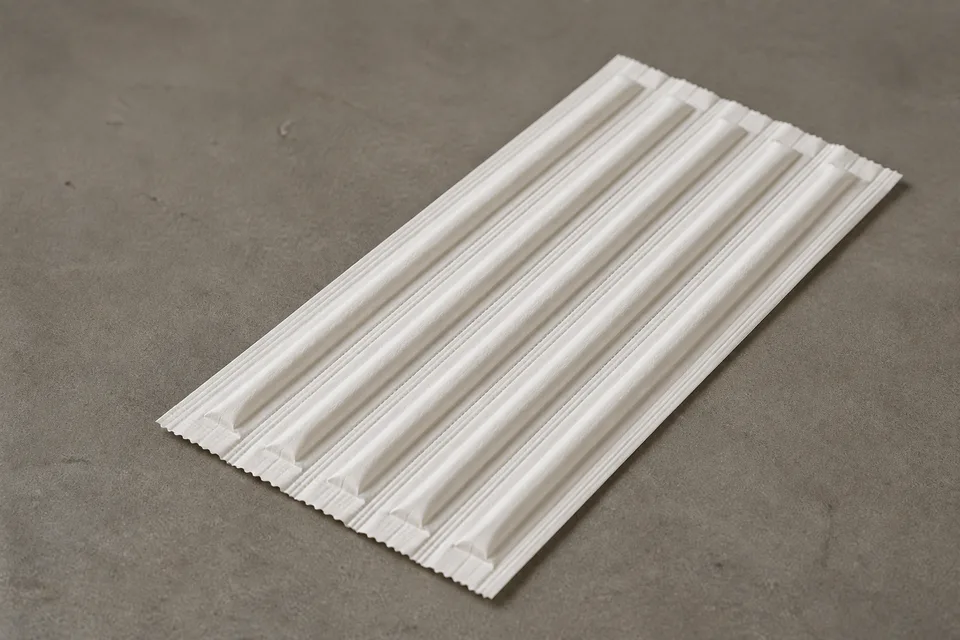
Attached Paper Straws
Connected continuous strip for high-speed automatic carton applicators.
View Product Specs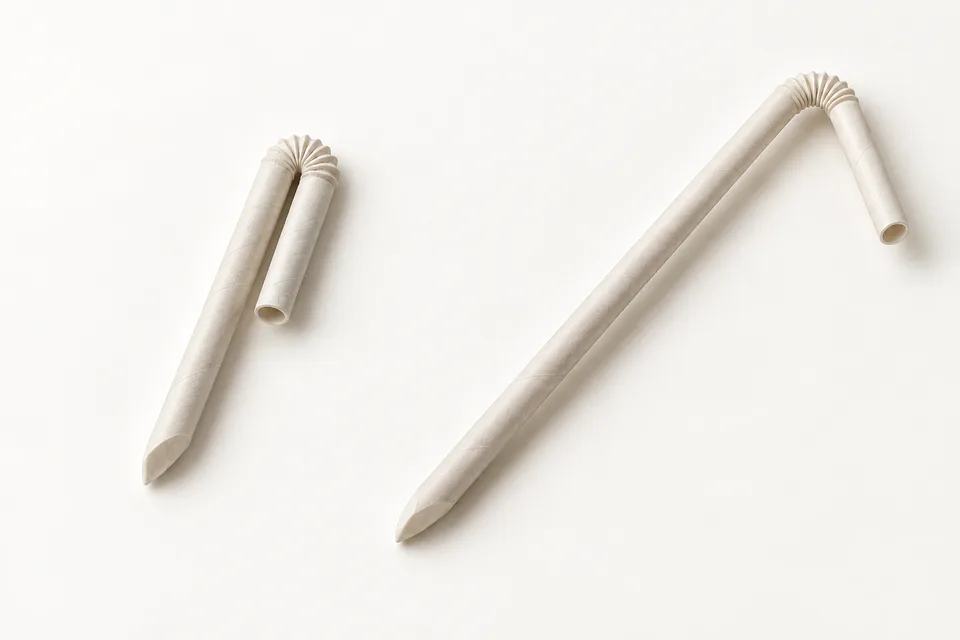
U-Shaped Paper Straws
Folded 180° format maximizing drinking reach on compact beverage cartons.
View Product Specs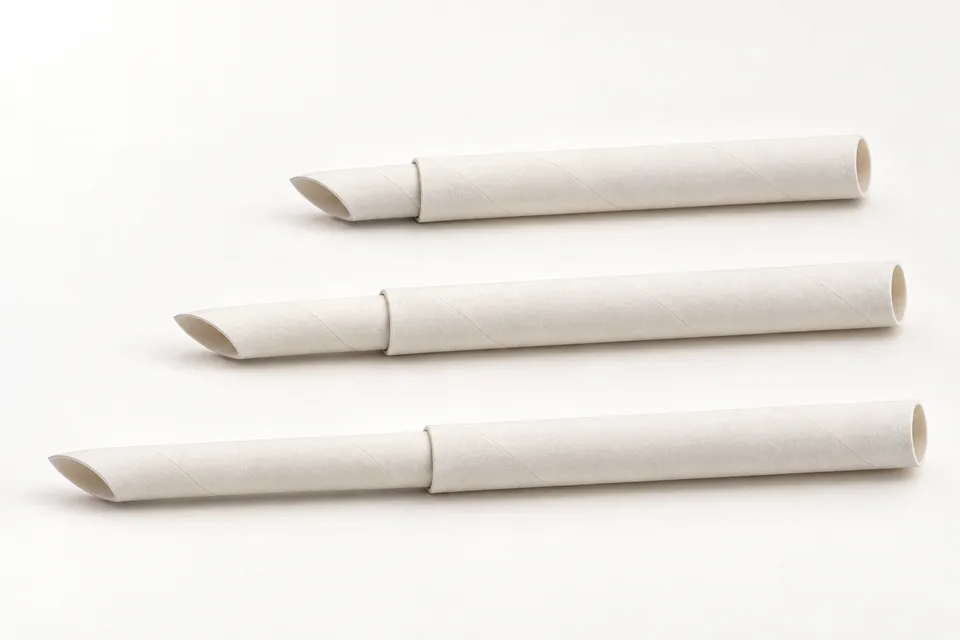
Telescopic Paper Straws
Two-section extendable design offering maximum reach from minimum packed length.
View Product Specs