In This Guide
Struggling to source the right straws for your beverage cartons? It’s a common frustration. You might face production line jams, straws falling off the packs, or customer complaints about a poor drinking experience. The problem isn't the straw itself, but finding a perfect match for your specific carton, which is where many sourcing projects go wrong.
The key specifications for U-shaped paper straws are a system of interdependent variables, not a list of standard sizes. Critical parameters include the overall length, U-bend position, diameter, paper layers, and compatibility with your wrapping film and attachment machinery. The ideal specification starts with your beverage carton's dimensions, not a straw catalog.
Now that you understand that it's a system, not a single component, you're already ahead. Let's break down each element of that system so you can build a specification that truly works for your product and production line.
Why is the Carton the Starting Point for Specifying U-Shaped Paper Straws?
You've been tasked with finding a supplier, and your first instinct might be to ask for a catalog of standard straw sizes. But this often leads to a dead end. Choosing a straw before analyzing your packaging is like buying tires without knowing what car you drive.
The ideal specification for U-shaped paper straws is dictated entirely by the beverage carton. Starting with the carton's dimensions—height, width, and the location of the pre-punched straw hole—is the only way to ensure compatibility and prevent costly production issues down the line.
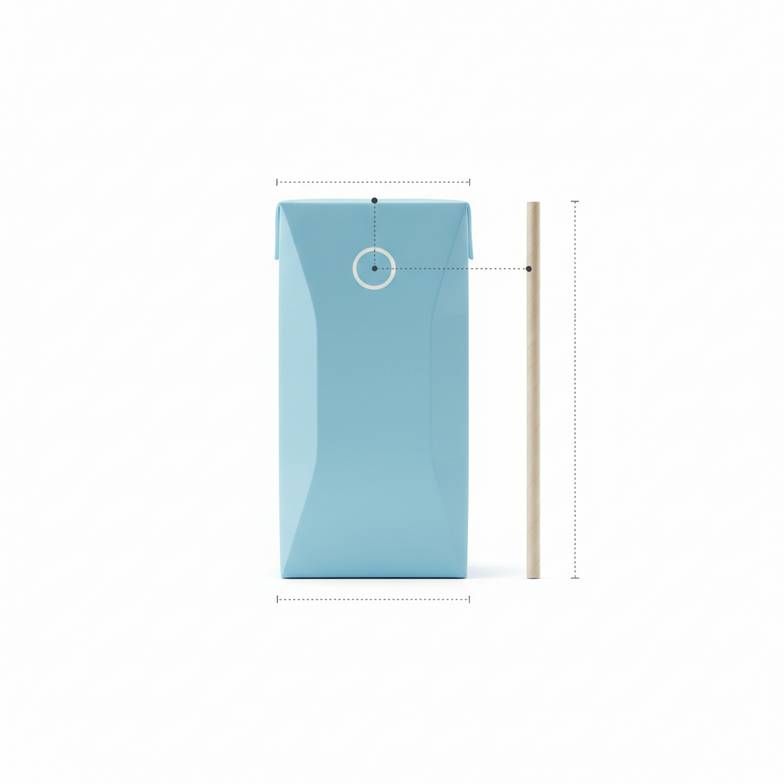
Dive Deeper: From Carton Specs to Straw Specs
A question we frequently get from new customers is, "What are your standard sizes?" While understandable, a more effective first step is to share the specifications of your beverage carton. When a procurement manager sends us a technical drawing or even just a physical sample of their juice box or milk carton, we can immediately begin de-risking the project.
Here’s why the carton-first approach works:
- Carton Height: This is the most crucial dimension. The total unfolded length of the U-shaped straw must be shorter than the carton's height to fit neatly, but long enough for the drinking end to reach the bottom of the container. We typically recommend the straw be 5-10 mm shorter than the carton's height for a clean fit.
- Straw Hole Position: Where is the foil-covered hole located? This determines the required position of the "U" bend in the straw. If the bend is too high or too low, the shorter, pointed end won't align correctly with the hole, making it difficult for the end-user to puncture the seal.
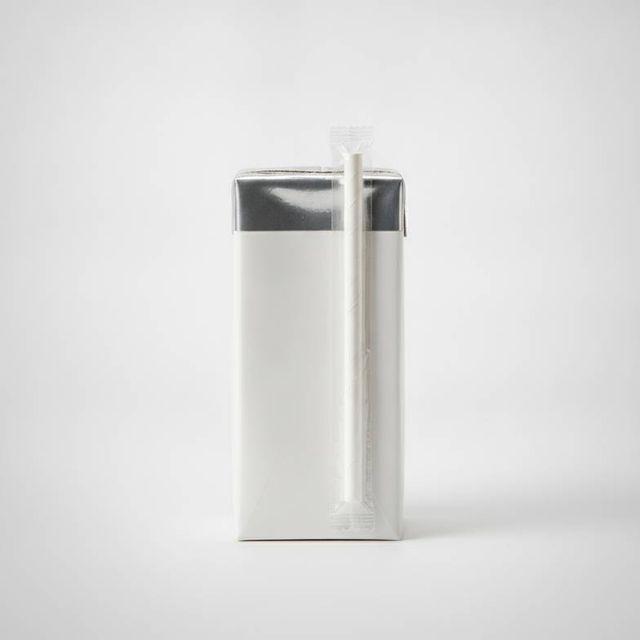
- Attachment Area: You need a flat, unobstructed surface on the carton to apply the wrapped straw. We need to know the dimensions of this "landing zone" to ensure the wrapped straw doesn't cover up branding, nutritional information, or other critical packaging text.
From my experience, buyers who start the conversation with their carton specifications get to a viable sample much faster. It shifts the focus from a generic price list to a collaborative process of finding a compatible solution. Instead of asking what we have, you’re helping us understand what you need. This allows us to draw on our experience and recommend a specification that we know has worked for similar carton formats, saving you weeks of trial and error.
How Do Straw Dimensions Impact Functionality and Production?
Thinking that "length and diameter" are all that matter is a dangerous oversimplification. A straw that's just a few millimeters off or uses the wrong paper thickness can bring a high-speed packaging line to a halt or lead to a flood of customer complaints.
The core dimensions—length, U-bend position, diameter, and wall thickness (paper layers)—are a balancing act. Each one affects the user experience, compatibility with the carton, and, most critically, how smoothly the straw runs through your automated applicator machinery.
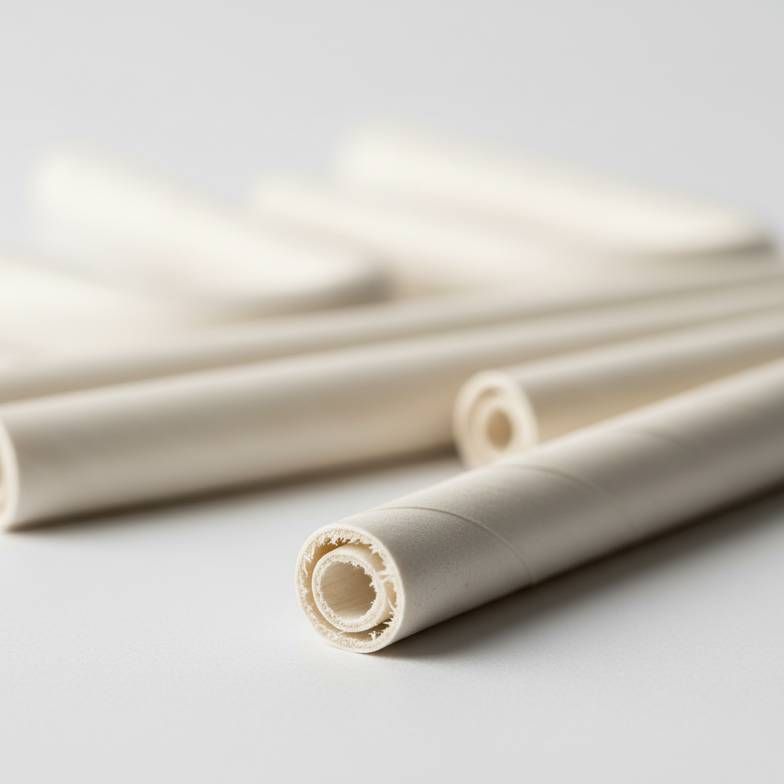
Dive Deeper: Beyond Length and Diameter
Getting the core dimensions right is about precision and understanding trade-offs. Let's look at the parameters that our packaging engineering customers scrutinize the most.
Length and U-Bend Position: An Inseparable Pair
You can't specify one without the other. These two dimensions work together to ensure the straw fits the pack and is easy to use.
- Total Length: As mentioned, this must correspond to the carton height.
- U-Bend Location: This is defined by the length of the two "legs" of the straw. For example, a 110mm straw might have an 80mm long leg and a 30mm short leg. The short leg is the one that punctures the carton, so its length relative to the bend must align perfectly with the carton's straw hole. A mismatch here is a primary cause of user frustration.
Inner vs. Outer Diameter
Diameter seems simple, but it has two sides:
- Inner Diameter (ID): This directly impacts the user's drinking experience. A smaller ID (e.g., 3mm) is fine for thin liquids like juice or milk but can be frustrating with thicker beverages like smoothies or milkshakes.
- Outer Diameter (OD): This is a machine-critical dimension. The OD must be consistent along the entire straw length to be handled correctly by the grippers and guides in your applicator machine. Any variance can cause jams. It also needs to fit comfortably through the carton's pre-punched hole.
Paper Layers and Wall Thickness
The "soggy straw" is the most famous failure point of paper straws. This is controlled by the number of paper layers and the quality of the food-grade glue holding them together.
| Paper Layers | Rigidity | Best For | Considerations |
|---|---|---|---|
| 3-Ply | Standard | Juice, milk, and other thin, non-carbonated beverages | The most common and cost-effective option for aseptic cartons. |
| 4-Ply | High | Thicker liquids; high-speed application lines where extra stiffness is needed | Provides better resistance to bending during machine feeding. |
| 5-Ply+ | Maximum | Very thick beverages or applications requiring extreme durability | Can increase costs and may be overkill for standard cartons. |
A 4-ply straw isn't just better for the drinker; its increased rigidity can be essential for high-speed production. A flimsier 3-ply straw might bend or crush under the pressure of a fast-moving mechanical applicator, leading to downtime. Choosing the right number of layers is a key part of mitigating production risk.
What's the Role of Wrapping and Adhesion for U-Shaped Paper Straws?
You've designed the perfect straw. The dimensions are precise, the paper is rigid, and it fits the carton like a glove. But then, on the production line, the straws either fail to attach or fall off later. What went wrong?
The individual wrapper and the adhesive that sticks it to the carton are not accessories; they are critical parts of the U-shaped paper straws system. Mismatches between the wrapping film, the glue, and your machinery are a frequent, and frustrating, source of failure.

Dive Deeper: The Unsung Heroes of Compatibility
During procurement, it's easy to focus 100% on the straw and forget about how it's delivered and attached. From our experience helping customers troubleshoot their lines, wrapping and adhesion issues are just as common as straw dimension problems.
Individual Wrapping Film
The plastic or paper film around the straw serves to keep it clean, but for your machines, it's a key handling component.
- Material: Most wrappers are made from BOPP (Biaxially Oriented Polypropylene) because it's strong, clear, and seals well. Some brands are moving to paper-based wrappers for sustainability reasons. The key is that your machine must be calibrated for the specific material you choose. A machine set up for BOPP may not be able to handle paper film without modification.
- Dimensions: The width and length of the wrapper film are critical. It must be wide enough to fully encase the straw and long enough to provide a "fin seal" that the machine's heaters can clamp and seal.
- Sealing: The wrapper is sealed around the straw. If the seal is too weak, it can open during handling. If it's too strong or wide, it can interfere with the glue application or cause the straw to be difficult to remove from the pack.
We once worked with a customer whose new straws kept jamming their applicator. The straw dimensions were identical to their old ones. The problem? The new supplier used a slightly thicker wrapping film that their machine's grippers couldn't handle consistently. It's a tiny detail that caused a massive headache.
Attachment Adhesive (Hot-Melt Glue)
The small dot of hot-melt glue that attaches the wrapped straw to the carton is a science in itself.
- Glue Type: The glue must have the right viscosity (thickness) and "open time" (the window between when it's applied and when it sets).
- Machine Compatibility: Your glue applicator is calibrated for a specific temperature and pressure. The adhesive you use must be compatible with these settings. Using the wrong glue can result in weak bonds (straws fall off) or "stringing" (thin strands of glue all over your cartons and machinery).
When you source U-shaped paper straws, you should also be asking the supplier about the recommended adhesive and confirming its compatibility with your specific make and model of packaging equipment. A good supplier should be able to provide this information or work with your team to verify it.
Frequently Asked Questions
Is there a standard size for U-shaped paper straws?
No, there is no universal standard size. The optimal dimensions are always customized based on the specific beverage carton's height, width, and straw hole location. It’s a system of compatible parts, so starting with your carton's specifications is the best approach.
How many paper layers do I need for my straw?
For most standard liquids like juice and milk, a 3-ply straw offers a good balance of durability and cost. For thicker beverages, or for use in very high-speed applicator machines, a 4-ply straw provides extra rigidity that prevents bending and ensures a smooth production run.
Can I get samples before placing a bulk order?
Yes, and you absolutely should. A trustworthy supplier will always provide samples for testing. It's critical to run these samples on your actual production line to test for compatibility with your machinery, wrapping film, and adhesive, not just for fit on the carton.
What information should I provide to a supplier for a quotation?
To get an accurate quotation and a viable product quickly, provide your supplier with: your beverage carton's dimensions (or a sample), the type of liquid it will be used for, your wrapping requirements, and if possible, the model of your straw applicator machine.
Conclusion
Successfully sourcing U-shaped paper straws is less about finding a cheap, off-the-shelf product and more about a collaborative risk-management process. The key takeaway is to view the straw, carton, wrapper, and your machinery as a single, interconnected system. Start the conversation with your carton specifications, pay close attention to details like paper layers and wrapping film, and always test samples on your actual production line before committing to a bulk order. This approach turns a potentially frustrating sourcing task into a predictable, successful project.
At PaperStrawTech, we specialize in this systems-based approach. We use our experience in both straw manufacturing and production machinery to help you navigate these complexities.
Ready to find the perfect fit? Contact us today to review your carton specifications and configure the right U-shaped paper straw for your production line.
Matched Formats for Beverage Cartons
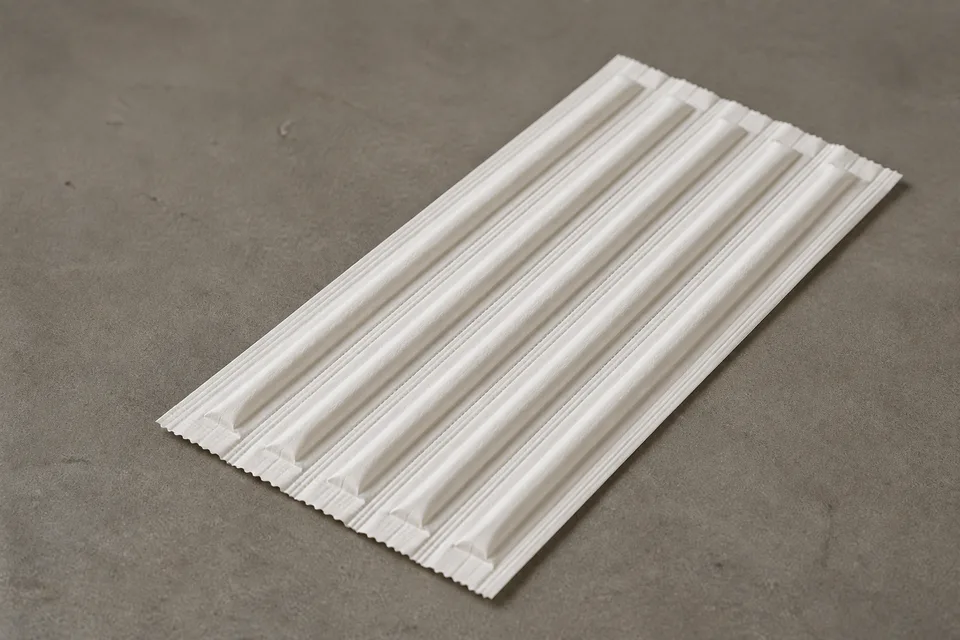
Attached Paper Straws
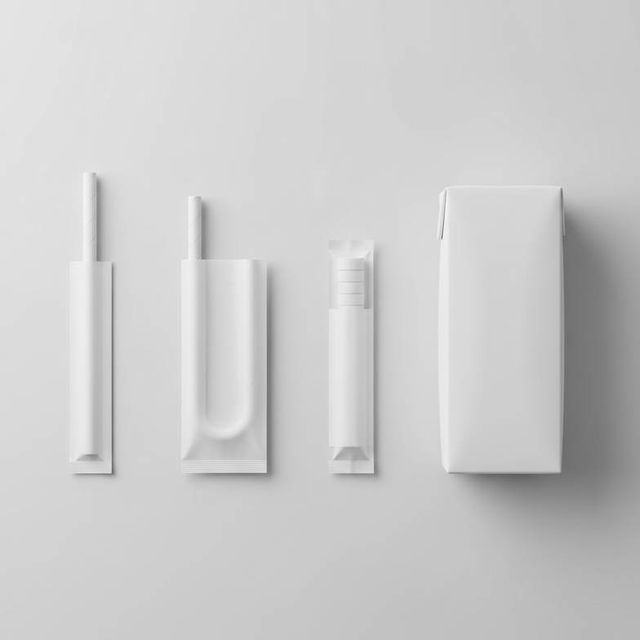
Connected continuous strip for high-speed automatic carton applicators.
View Product Specs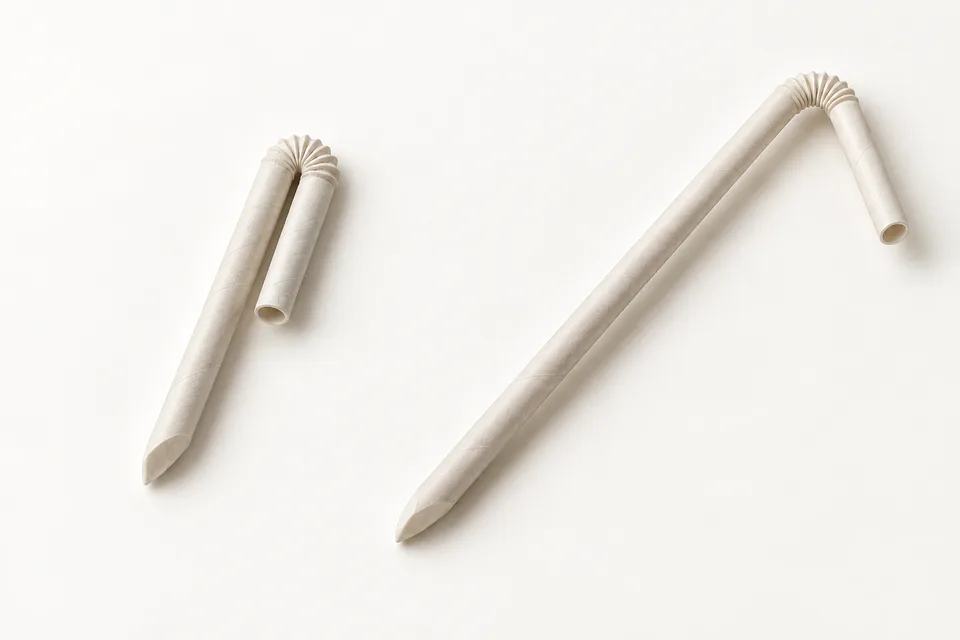
U-Shaped Paper Straws
Folded 180° format maximizing drinking reach on compact beverage cartons.
View Product Specs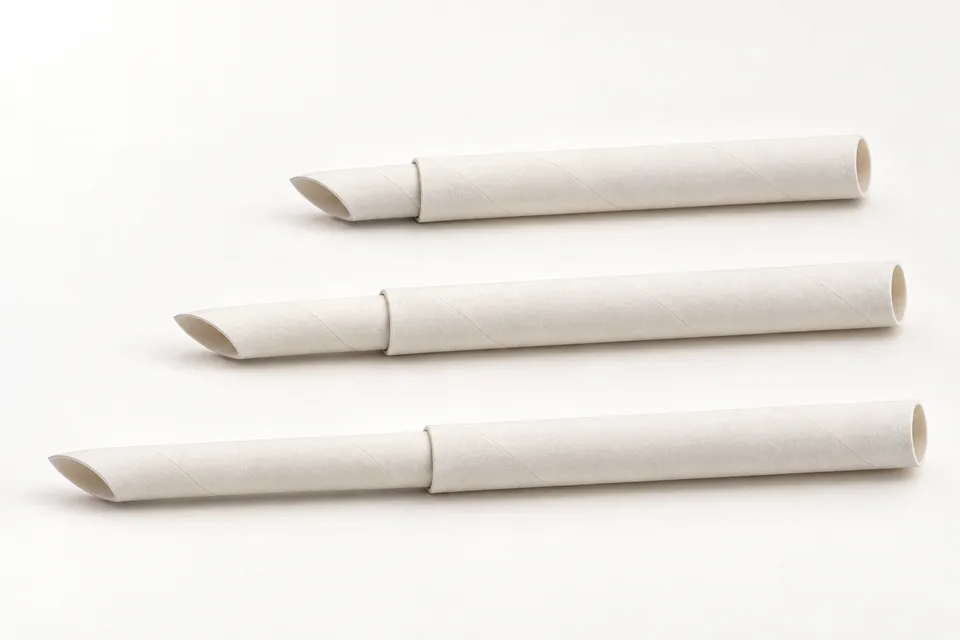
Telescopic Paper Straws
Two-section extendable design offering maximum reach from minimum packed length.
View Product Specs