In This Guide
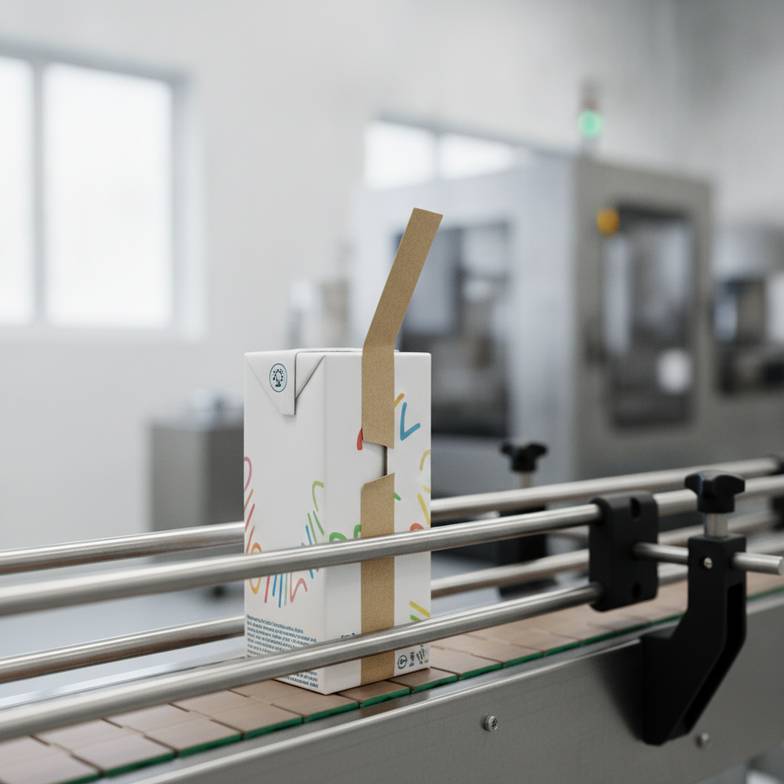
Dealing with inconsistent production is a headache. You think your line is running perfectly, then you spot the tell-tale sign of trouble: attached paper straw strips peeling away from your beverage cartons. This isn't just a minor annoyance; it leads to line stoppages, wasted product, and the risk of unhappy customers. The real frustration is that the cause is rarely obvious, and guesswork just leads to more wasted time and money. The solution isn't about finding one "magic" glue or film, but about understanding how the straw, its wrapper, the adhesive, and your carton must work together as a complete system.
The core reason for irregular separation of attached paper straw strips is almost always a system mismatch, not a single component failure. The problem lies in the complex interaction between the straw's wrapping film, the adhesive used, the surface of the beverage carton itself, and the conditions of your application line. A successful bond depends on getting all these variables right, not just using a "stronger" glue.
To really solve this problem for good, you have to stop looking for a single culprit. Instead, we need to become detectives. It's about asking the right questions to diagnose where the system is breaking down. Let’s dive into the key areas to investigate.
Why is the Adhesive Failing on My Attached Paper Straw Strips?
You've swapped out your adhesive for a supposedly stronger, more expensive option, but the straws are still coming loose. It’s a common and frustrating scenario. You start to wonder if you're being sold the wrong product. What if the adhesive itself isn't the problem?
In my experience, the adhesive is rarely the true villain. Failure usually happens at the interface—the point of contact. The bond can fail between the adhesive and the wrapping film, or between the adhesive and the carton surface. The real issue is often a lack of compatibility between the glue and the materials it's trying to join.
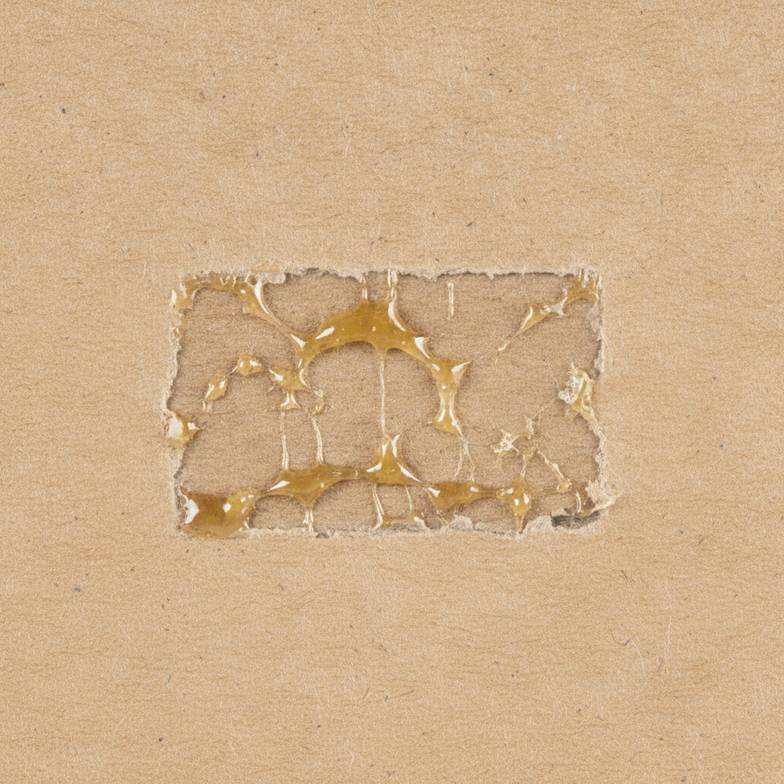
To get to the bottom of it, we need to look deeper than just the glue's spec sheet. It's about understanding the entire application environment and identifying the precise point of failure.
The First Diagnostic Step: The Peel Test
Before you change a thing, you need to know where the bond is breaking. Grab a carton where the straw has separated and look closely.
- Peel a faulty straw off manually. Does the adhesive stay on the carton, with the wrapping film clean? This suggests the glue isn't adhering properly to the film.
- Or, does the adhesive come off with the straw, leaving the carton surface clean? This points to a problem with the bond between the glue and the carton's coating.
- In a third scenario, the film itself might tear, leaving some wrap and adhesive on the carton. This could indicate the adhesive bond is actually stronger than the film material.
This simple test is your most important clue. It tells you which relationship—glue-to-film or glue-to-carton—you need to investigate first. Without this information, you're just guessing.
Hot Melt vs. Cold Glue Considerations
Beverage manufacturers often ask me whether hot melt or cold glue is better. The honest answer is: it depends entirely on your production line and carton.
- Hot Melt Adhesives (e.g., EVA, APAO): These are the most common choice. They offer a very fast "initial tack," meaning they grab on almost instantly. This is essential for high-speed automated lines where the straw needs to be secured in a fraction of a second. However, their final bond strength and flexibility can vary.
- Cold Glues (e.g., Water-Based Adhesives): These take longer to cure and form their final bond (the "set time"). This makes them less suitable for very fast lines. But once cured, they can create an incredibly strong and often more flexible bond, which can be beneficial for cartons that might be flexed or handled roughly.
The choice isn't about which is "stronger" in a lab, but which one performs best within the time constraints and physical demands of your specific production line.
The Hidden Challenge of Carton Surfaces
The surface of a beverage carton is not simple cardboard. It's a complex, multi-layer material, often coated with polyethylene (PE) or other polymers to make it waterproof. These coatings have low "surface energy," which is a technical way of saying they are slippery and difficult for adhesives to grip.
Think of trying to put a sticker on a non-stick frying pan—it's the same principle. Different cartons have different coatings. An aseptic brick pack stored at room temperature has a very different surface from a chilled gable-top milk carton. This is why a solution for attached paper straw strips that works perfectly for one product can fail completely on another.
When you talk to a potential supplier, they should ask you about your carton type. If they don't, it's a red flag.
Could the Wrapping Film Be the Problem with My Attached Paper Straw Strips?
You've analyzed your adhesive and carton surface, but the attached paper straw strips still aren't performing reliably. It's easy to overlook the thin film wrapping the straw, but it's a critical piece of the puzzle. Is this nearly invisible layer the weak link in your system?
Absolutely, it can be. The wrapping film is the bridge between the straw and the adhesive. If that bridge isn't compatible with the glue you're using, the connection will fail. The film's material, surface treatment, and even its thickness all have a direct impact on the final bond strength.

Let's break down the key properties of the wrapping film that you need to consider. This isn't just about choosing paper or plastic; the technical details matter immensely.
Film Material and Surface Treatment
The most common film for attached straws is Biaxially-Oriented Polypropylene (BOPP), a type of plastic known for its clarity and strength. However, just like the carton surface, standard BOPP has low surface energy, making it difficult for glue to stick to.
To solve this, film manufacturers use a process called corona treatment. This process uses an electrical charge to roughen the film's surface on a microscopic level, raising its surface energy and making it much more receptive to adhesives.
Here’s the catch: the effect of corona treatment can fade over time. If your supplier uses film that has been sitting in a warehouse for too long, its ability to bond may be significantly reduced, even if it looks perfect. This is a frequent, and often invisible, cause of inconsistent separation. You must ensure your supplier has good inventory management and quality control for their films.
Film Thickness and Rigidity
It might seem logical that a thicker, stronger film is better, but that's not always true. A thicker or more rigid film exerts more "peel force" on the adhesive bond. Imagine trying to bend a stiff piece of plastic—it wants to spring back to its original shape.
If an attached straw is placed on a curved or uneven part of a carton, a rigid film will constantly try to pull away, putting continuous stress on the small dot of adhesive. In these cases, a more flexible, thinner film might actually perform better because it conforms to the carton's shape with less resistance. This is another example of why the entire system—straw, film, glue, and carton shape—must be considered together.
Matching Film to Your Application
The environment where your product will be stored and consumed also matters.
| Application Factor | Wrapping Film Consideration |
|---|---|
| High-Speed Lines | Film must be strong enough to withstand the tension of automated applicators without tearing. |
| Refrigerated/Chilled Products | Film and adhesive must resist moisture and condensation, which can weaken the bond. |
| Aseptic/Shelf-Stable Products | Must withstand wide temperature fluctuations during shipping and storage without becoming brittle or losing adhesion. |
| Curved Carton Surfaces | A more flexible film may be required to reduce constant peel force on the adhesive. |
When you specify your attached paper straw strips, you need to discuss these factors. A good supplier will help you match the film's properties to your product's entire life cycle.
How Do I Develop a Reliable Specification for Attached Straws?
You're tired of the endless cycle of testing and troubleshooting attached paper straw strips. Every new batch seems to bring a new surprise, and you feel like you're constantly fighting fires instead of preventing them. How do you break this cycle and build a process that delivers consistency from the start?
The answer is to shift your thinking from reactive troubleshooting to proactive specification. A reliable outcome starts with a collaborative and detailed diagnostic process with your supplier, long before the first production run. You must clearly define your entire application system to allow a supplier to recommend the right components.

This isn't about creating more paperwork. It's a risk management strategy that saves you time, money, and headaches down the road. I've seen too many projects stumble because the initial discussions were too focused on price per straw and not enough on the application details.
Start with the Carton and Application Line
A capable supplier partner won't just give you a price list. They will start by asking you questions. Be prepared to provide detailed information about your specific context.
Key information to share with your supplier:
- Carton Material: What is the exact type of carton? (e.g., Tetra Pak, Combibloc, Elopak). What is the outer coating?
- Product Storage: Will the final product be stored at room temperature (aseptic) or in a refrigerator (chilled)?
- Application Machinery: What brand and model of straw applicator are you using?
- Line Speed: How many cartons per hour does the applicator process? This determines the required adhesive "open time" and "set time."
- Environmental Conditions: What is the typical temperature and humidity in your factory?
If a potential supplier doesn't ask these questions, they aren't trying to provide a solution—they're just trying to sell you a product.
The Non-Negotiable Trial Run
Lab data and spec sheets are important, but they are no substitute for a real-world test. A sample that performs perfectly when applied by hand in an office can fail spectacularly on a production line running at thousands of units per hour.
You must insist on a trial run with a significant quantity of samples on your actual production machinery. This is the only way to verify that the chosen combination of film, adhesive, and straw works within your unique operational environment.
During the trial, monitor for:
- Consistent application and placement.
- No immediate failures after the applicator.
- Adhesion strength after 24 hours (allowing the glue to fully cure).
- Performance after subjecting cartons to your typical storage conditions (e.g., refrigeration).
This step is non-negotiable. I've personally seen projects delayed by months because a client tried to save a little time by skipping a proper production trial. It never pays off.
Frequently Asked Questions
What is the most common cause of straw strip separation?
The most common cause is a mismatch between the adhesive, the wrapping film, and the carton's surface. It's rarely a single "bad" component but rather a system where the parts are not compatible with each other or the production environment (like line speed and temperature).
Is hot melt glue always better than cold glue for attached straws?
Not necessarily. Hot melt glue is popular because it sets very quickly, which is essential for high-speed lines. However, some cold glues can form a stronger, more flexible final bond after they fully cure. The best choice depends on your line speed, carton material, and required bond characteristics.
How does humidity affect the adhesion of attached paper straw strips?
High humidity is a major enemy of adhesion. It can affect the carton surface, making it harder for glue to stick, and it can interfere with the curing process of certain adhesives. It's a critical environmental factor that must be considered and tested for, especially in tropical or humid climates.
Can I use the same attached straw solution for my juice boxes and milk cartons?
I would strongly advise against it without thorough testing. Aseptic juice boxes and chilled milk cartons often have different surface coatings and are stored under very different temperature and moisture conditions. A solution optimized for one is unlikely to be perfect for the other. Each product line needs its own validated solution.
Conclusion
Troubleshooting the irregular separation of attached paper straw strips is less about finding a quick fix and more about adopting a systematic approach. The problem is rarely one-dimensional. Lasting success comes from understanding that the straw, wrapping film, adhesive, and beverage carton work as an interconnected system. The key is to stop guessing and start diagnosing. By identifying the precise point of failure and collaborating with a knowledgeable supplier who asks the right questions, you can move from reactive problem-solving to proactive quality control. This ensures your attached paper straw strips stay exactly where they belong: on the carton.
If you are facing inconsistent separation or are planning to introduce a new product with an attached straw, let's skip the guesswork. My team and I have the experience to help.
Contact us today to review your carton specifications and configure a reliable attached straw solution tailored to your production line.
Matched Formats for Beverage Cartons
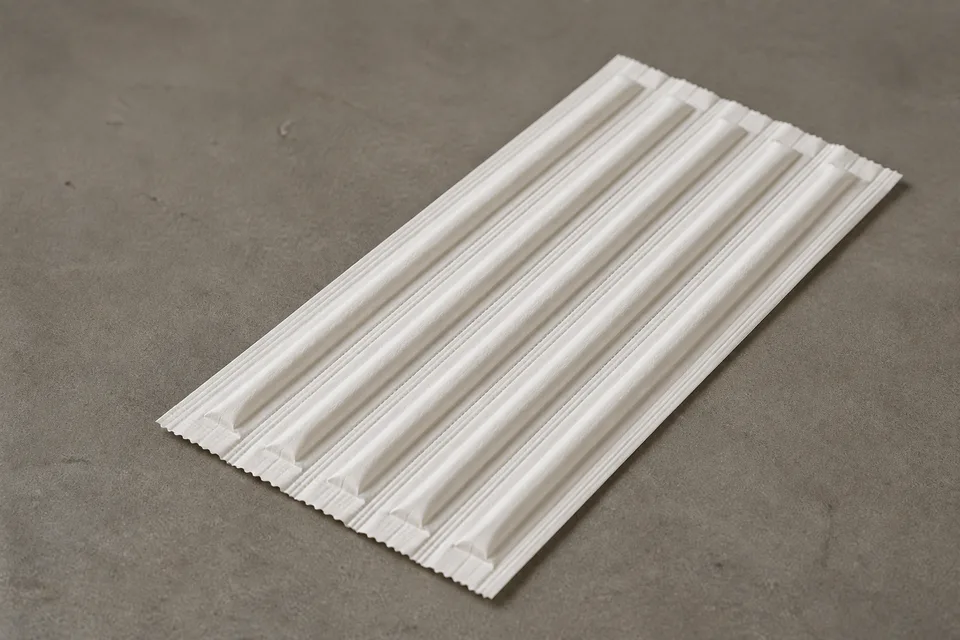
Attached Paper Straws
Connected continuous strip for high-speed automatic carton applicators.
View Product Specs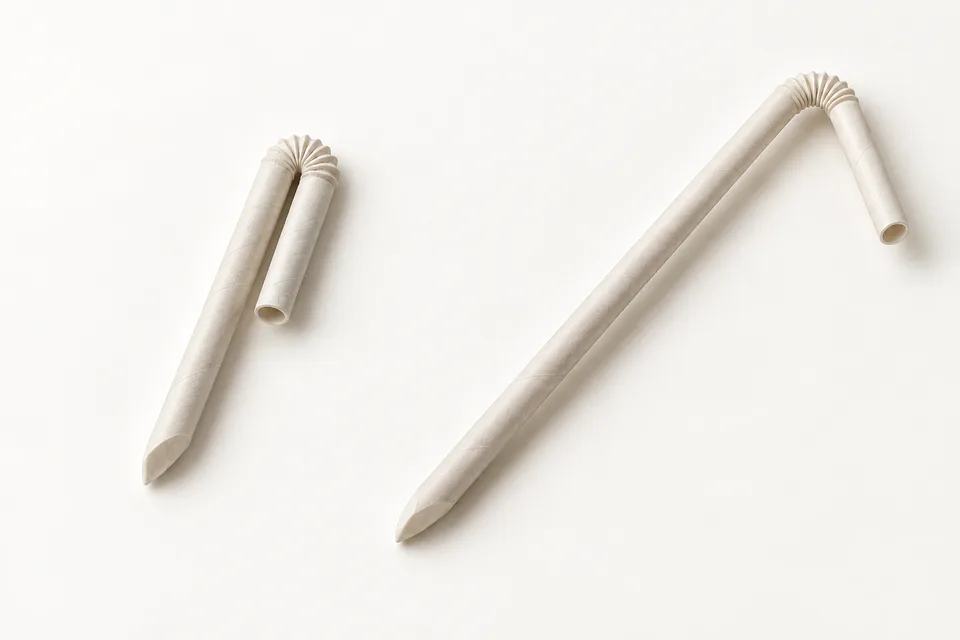
U-Shaped Paper Straws
Folded 180° format maximizing drinking reach on compact beverage cartons.
View Product Specs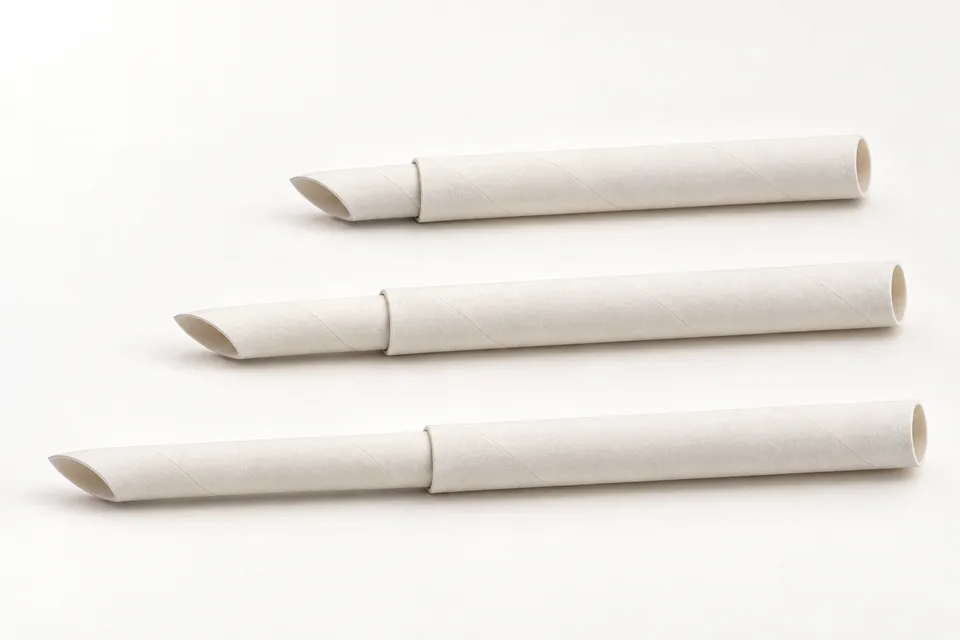
Telescopic Paper Straws
Two-section extendable design offering maximum reach from minimum packed length.
View Product Specs