In This Guide
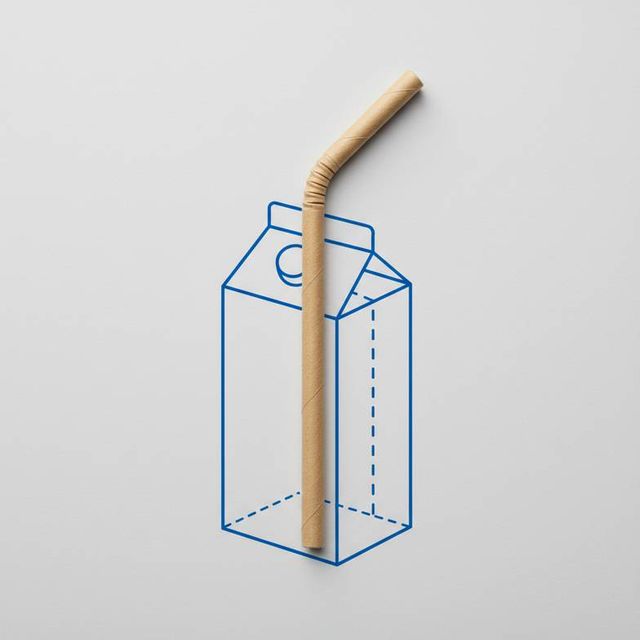
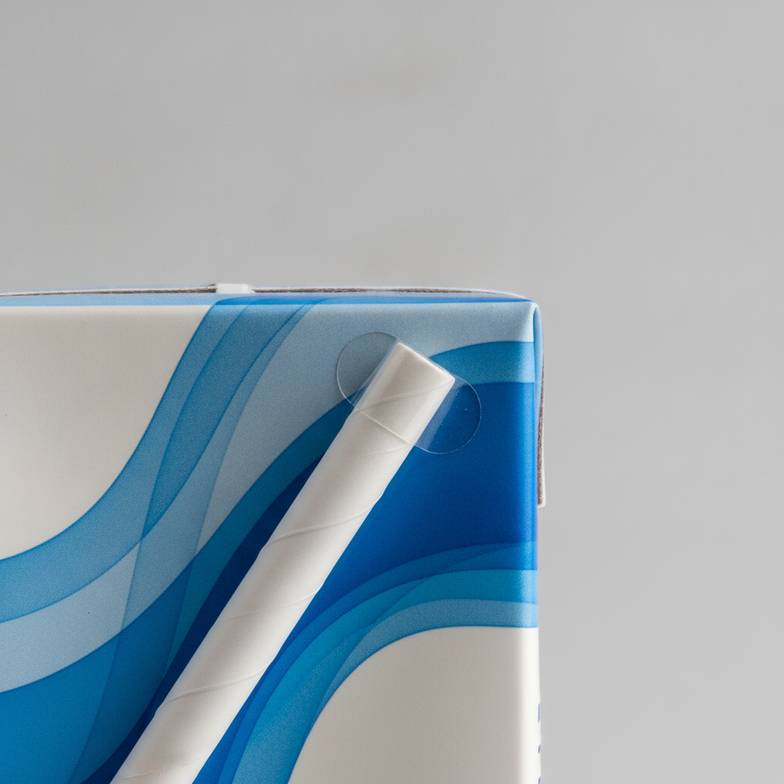
Attaching a paper straw to a beverage carton seems like a minor detail, but getting the adhesive dot placement wrong can lead to major headaches. You’ve seen it happen: straws fall off in transit, creating a mess for retailers, or they tear the carton when a customer tries to remove them. The key to avoiding these issues lies in a smart approach to paper straw adhesive dot placement that considers the entire product lifecycle.
The best location for the adhesive dot is not a single, universal point. Instead, it’s a carefully calculated balance between the beverage carton’s design, the straw’s structure, the specific properties of the hot-melt adhesive, and the capabilities of your automated application machinery. Success depends on optimizing this entire system, not just picking a spot on a diagram.
Getting this right means looking beyond a simple X-Y coordinate. It's about understanding the interconnected factors that determine whether a straw stays put during shipping but releases cleanly for the end consumer. Let’s dive into the key considerations you need to discuss with your supplier.
How Does Carton Design Influence Adhesive Placement?
You've spent months perfecting your beverage, but have you thought about how the carton's physical design impacts straw attachment? Placing an adhesive dot seems easy until you realize the surface isn't perfectly flat or the best spot is covered by essential branding. This oversight can lead to failed bonds and production line jams.
The solution is to map out your carton's surface before you even think about the straw. Your carton's shape, material finish, and printed graphics create specific "go" and "no-go" zones for adhesive application. Placement must be on a flat, receptive surface away from critical information and structural weak points like folds or scores.

Dive Deeper: Mapping Your Carton's "Real Estate"
From our experience helping brands develop custom solutions, the carton itself is the first variable we examine. A common question we receive from beverage brands is about adapting their existing packaging for attached straws. Here’s what we tell them to look at.
Surface Geometry and Flatness
Automated straw applicators work best on flat, consistent surfaces. The machine's applicator head needs to press the straw's wrapper against the carton with even pressure to ensure a good bond.
- Rectangular "Brick" Cartons: These are generally the easiest to work with, offering large, flat panels. The main consideration is avoiding the seams and score lines.
- Tetrahedron and Shaped Cartons: Cartons with angled sides, curves, or unique shapes present a challenge. The placement spot must be a locally flat area that the applicator head can access without tilting. Placing a dot on a curve results in an uneven bond that is weak on the edges and prone to failure.
Carton Materials and Coatings
The material of your carton's outer layer directly influences how well the hot-melt adhesive will stick. It’s not just paper; it's a multi-layer composite, and the final coating matters immensely.
- Matte vs. Glossy Finishes: Highly glossy, varnished, or laminated surfaces can be "low surface energy," meaning they are slightly repellent and harder for adhesives to grip. Matte finishes often provide a more porous surface that promotes better bonding.
- Ink and Varnish Chemistry: Certain inks or overprint varnishes can interfere with the adhesive. We always recommend testing adhesion on a final, printed carton, not just a blank prototype. A dot placed over a heavy patch of ink may not bond as well as one on an unprinted area.
Graphics and "Keep Clear" Zones
Finally, you can't just stick the straw anywhere. You need to preserve your branding and regulatory information. Before deciding on placement, identify your "keep clear" zones:
- Brand logos and key marketing messages
- Nutritional information panels
- Barcodes and QR codes
- Opening instructions
The ideal spot for the adhesive dot is a location that doesn't obscure any of these elements, ensuring both brand integrity and regulatory compliance.
Why Is the Adhesive Itself More Important Than the Dot's Position?
Have you ever specified the exact placement for an adhesive dot, down to the millimeter, only to have straws detach during shipping simulations? The frustration is real, and it’s a sign that the focus might be on the wrong variable. The problem often isn't the location; it's the glue.
The properties of the hot-melt adhesive—its initial tack, final peel strength, and open time—are what truly determine the success of your paper straw adhesive dot placement. Choosing the right adhesive formulation for your specific carton surface and production speed is more critical than arguing over a few millimeters of placement.
Dive Deeper: Balancing Stickiness, Strength, and Speed
When a client comes to us troubleshooting a detached straw issue, we immediately shift the conversation from where the dot is to what the dot is made of. Adhesives are a game of trade-offs. You need a bond strong enough to survive the supply chain but gentle enough for a child to open without tearing the box.
The Trade-Off: Initial Tack vs. Final Peel Strength
These two properties sound similar, but they control different stages of the process.
- Initial Tack: This is the "instant grab" of the adhesive right after application. High initial tack is essential on high-speed production lines, as it prevents the straw from shifting or falling off the carton before the bond fully sets.
- Final Peel Strength: This is the force required to remove the straw after the adhesive has completely cured (usually 24 hours). A high peel strength creates a very secure bond, but it also increases the risk of "fiber tear"—where the straw wrapper or the carton's top layer rips upon removal.
Your goal is to find an adhesive with enough tack for your line speed and just enough peel strength to be secure but still allow for a clean release.
Open Time and Curing Window
"Open time" is the critical window between when the hot-melt adhesive is applied and when it cools too much to form a proper bond.
- Too Short: If the open time is too short, the adhesive might start solidifying before the straw is pressed firmly onto the carton, resulting in a weak, superficial bond.
- Too Long: If the open time is too long, the glue remains soft and gooey. The straw might slide out of position on the conveyor belt after the application station, leading to inconsistent placement.
The ideal open time is matched to your machine's cycle speed, ensuring the bond is made while the adhesive is at its optimal temperature and consistency.
Adhesive Viscosity, Dot Size, and Shape
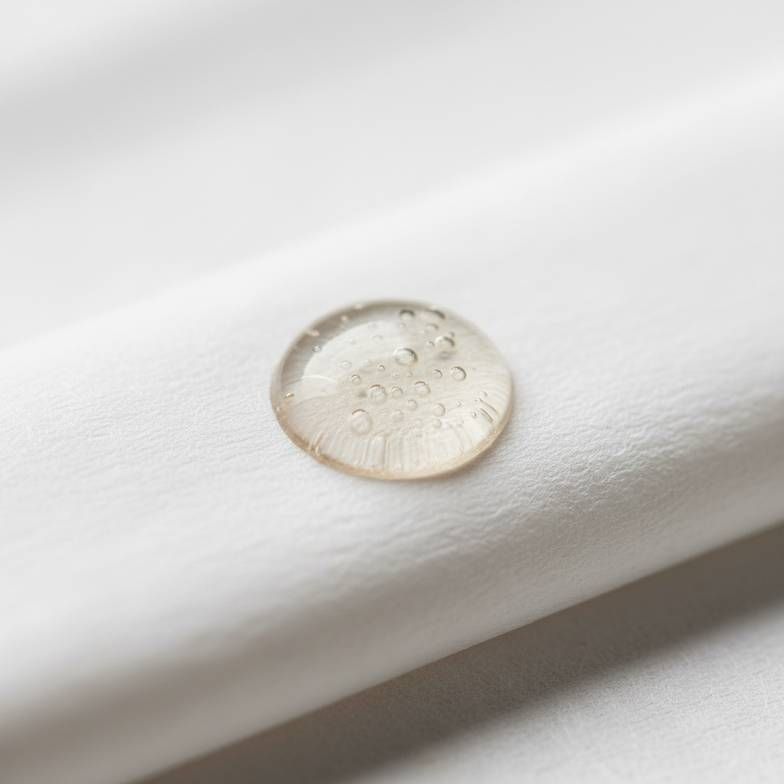
Viscosity refers to the thickness or "flowability" of the molten adhesive. It determines the final shape of the dot. A low-viscosity adhesive might spread too thin, while a high-viscosity one could create a tall, bead-like dot with a small contact area. For most applications, a wider, flatter dot provides a better surface area for bonding than a tall, narrow one.
| Adhesive Property | High Setting | Low Setting | Impact on Placement Strategy |
|---|---|---|---|
| Initial Tack | Fast bonding on the line | More time for adjustment | High tack is needed for fast lines but demands precise machine timing. |
| Final Peel Strength | Very secure bond, resists detachment | Easy, clean removal for consumers | Too high, and it risks carton damage; too low, and straws fall off. |
| Open Time | Short window for bonding | Longer window for bonding | Must match the time between glue application and straw placement on your line. |
How Do Automation and Machinery Affect Paper Straw Adhesive Dot Placement?
Your design is perfect on the computer, and you've selected a suitable adhesive. Yet, on the factory floor, the straw applicator is jamming or placing straws inconsistently. This disconnect between design and reality often comes down to the machinery's physical and operational limits.
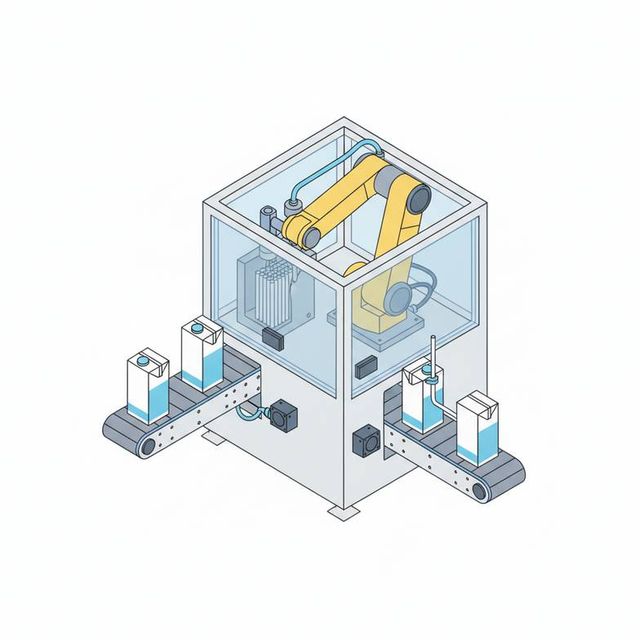
The automated applicator machine has specific tolerances for speed, reach, and pressure. To ensure a smooth, high-speed production run, your chosen paper straw adhesive dot placement must fall within the machine’s operational sweet spot. Ignoring these mechanical constraints is a recipe for low efficiency and high defect rates.

Dive Deeper: Designing for Your Production Line
From a production perspective, the challenge is balancing the ideal placement with what the machine can physically and consistently achieve thousands of times per hour. I remember a project where a customer specified a dot location very close to the carton's edge. While it looked good, the applicator's gripper mechanism couldn't operate that close without risking errors. We had to collaborate to find a new location that worked for both the brand and the machine.
Applicator Head Path and Reach
The straw applicator uses a robotic arm or rotary head to pick a straw, apply glue, and press it onto the carton. This mechanism has a defined path of motion and a maximum reach. The target placement spot must be easily and quickly accessible along this path. A location that requires a complex or slow movement from the arm will bottleneck your entire production line.
Cycle Speed and Timing
Modern beverage lines operate at incredible speeds, often processing hundreds of cartons per minute. At this pace, every millisecond counts.
- The placement action must be simple and repeatable.
- The adhesive application and straw pressing must happen in a perfectly timed sequence.
- The chosen placement cannot require the machine to slow down, as this would reduce overall factory output.
Application Pressure and Dwell Time
The machine doesn't just place the straw; it presses it onto the carton with a specific amount of force (pressure) for a specific duration (dwell time). This step is crucial for forcing the molten adhesive into the microscopic pores of the carton and wrapper materials to create a strong mechanical bond. The placement location must allow the applicator head to apply this pressure evenly across the entire adhesive area.
Straw Format and Handling
The type of straw also changes the machine's requirements.
- U-shaped straws have an uneven weight distribution and a distinct shape that the machine's grippers must handle.
- Telescopic straws are more compact and rigid, which can make them easier to handle but requires the placement to account for the straw's bulk.
The machine's tooling is designed for a specific straw type, and the placement strategy must align with how that tool grips and places the straw.
Frequently Asked Questions
What's the best adhesive for attaching paper straws to cartons?
There is no single "best" type. It is almost always a food-grade hot-melt adhesive, but the specific formulation depends entirely on your carton's surface material, the straw's wrapping, your line speed, and desired peel strength. The right approach is to test several candidate adhesives on your actual product to find the optimal balance of performance.
Can the adhesive dot be placed over printed areas on the carton?
This is generally not recommended. Some printing inks, varnishes, and coatings can act as release agents, preventing the hot-melt adhesive from forming a strong bond. It is always safest to place the adhesive dot on an unprinted or specially prepared area of the carton. If placement on a printed area is unavoidable, rigorous adhesion testing is mandatory.
How do you test for correct adhesive dot placement?
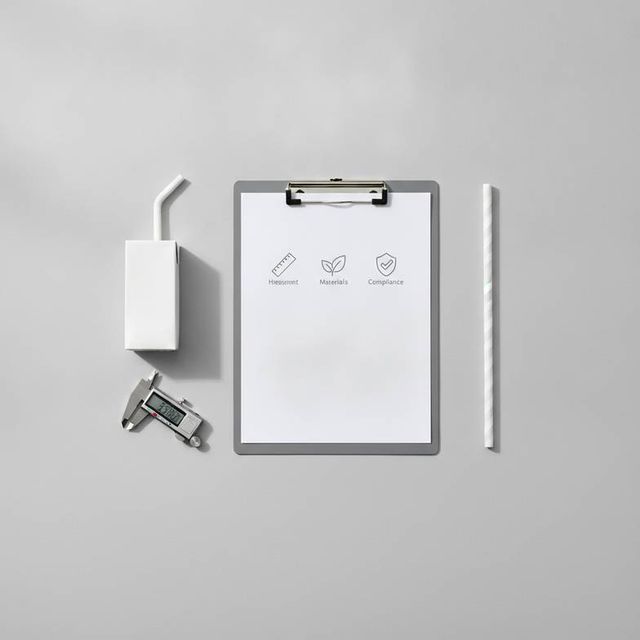
A thorough validation process involves several tests. This includes laboratory peel tests to measure the removal force in newtons, shipping simulations (vibration and drop tests), and environmental chamber testing where bonded cartons are exposed to various temperatures and humidity levels to check for bond degradation over time.
Does the straw wrapper material affect the bond?
Yes, absolutely. A paper wrapper and a BOPP (biaxially-oriented polypropylene) plastic wrapper have very different surface properties and will bond differently with the same adhesive. The chosen adhesive must be compatible with both the carton's surface and the straw's wrapping material to ensure a reliable, long-lasting bond.
Conclusion
Ultimately, successful paper straw adhesive dot placement is a holistic process, not a single data point on a spec sheet. It requires a strategic balance of carton design, adhesive science, and mechanical engineering. Focusing only on the dot's location while ignoring the adhesive's properties or the applicator's capabilities is a common misstep. The goal is to create a complete system where the carton, straw, glue, and machine all work together in harmony. By considering these interconnected factors, you can ensure your paper straw stays securely attached from the factory to the consumer, providing a positive experience every time.
Instead of asking suppliers for a generic placement recommendation, the most effective path forward is to collaborate. Share your specific product details and performance goals. If you're ready to move from guesswork to a validated solution for your beverage packaging, contact us to discuss your carton format and straw requirements. We can help you configure a complete solution, from product development to production-line setup.
Matched Formats for Beverage Cartons
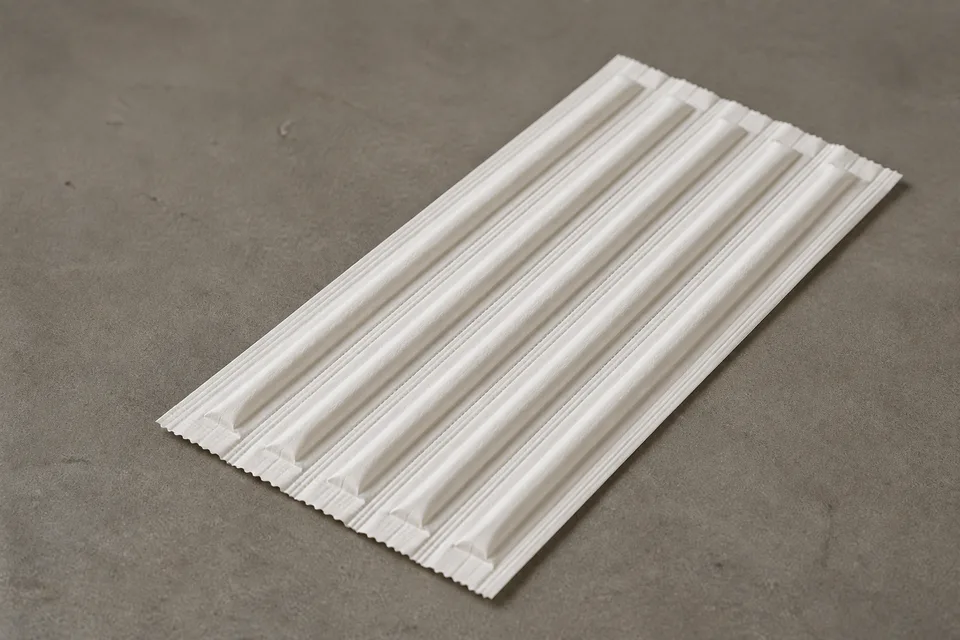
Attached Paper Straws
Connected continuous strip for high-speed automatic carton applicators.
View Product Specs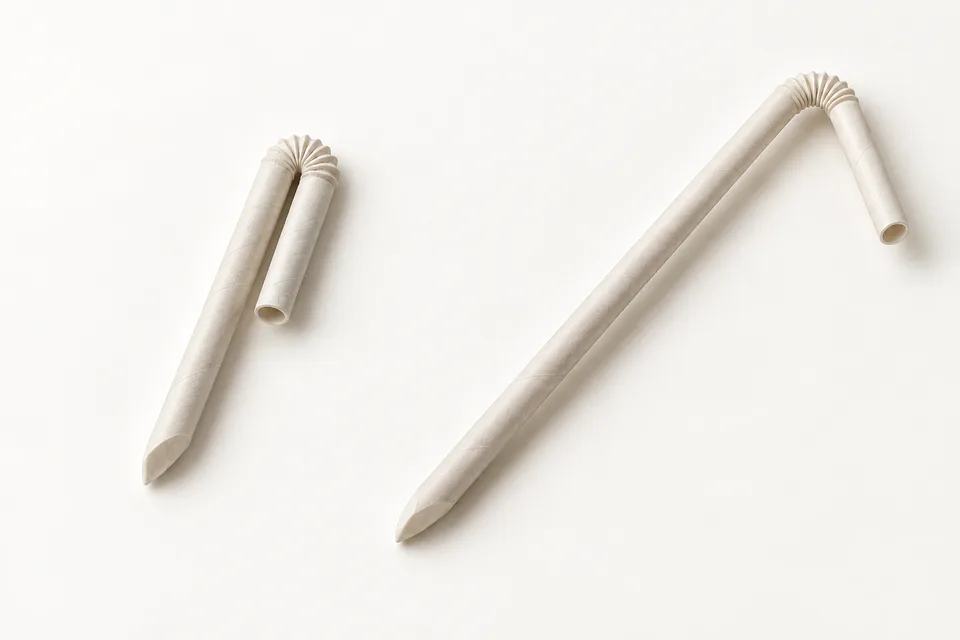
U-Shaped Paper Straws
Folded 180° format maximizing drinking reach on compact beverage cartons.
View Product Specs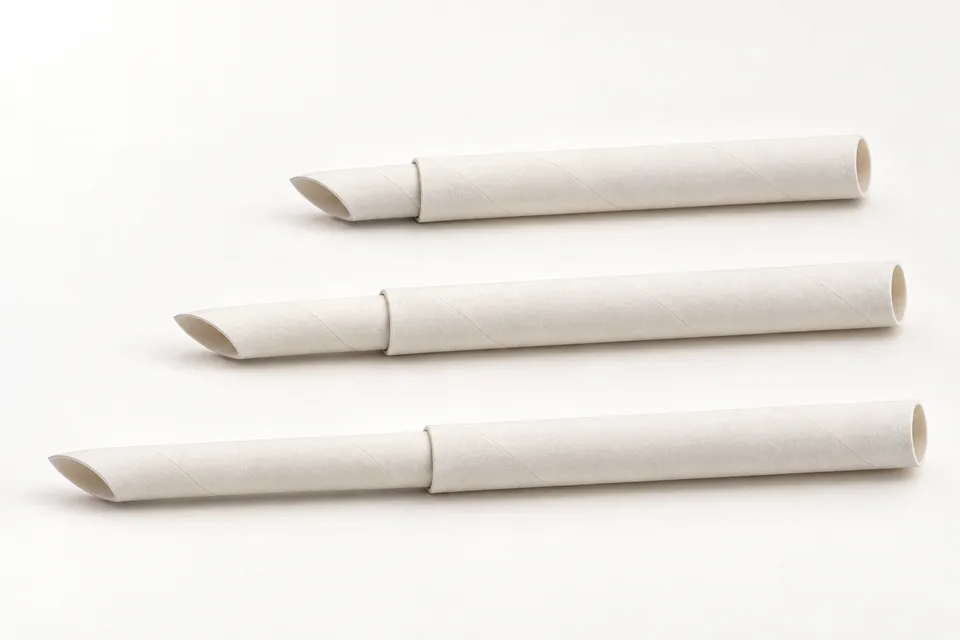
Telescopic Paper Straws
Two-section extendable design offering maximum reach from minimum packed length.
View Product Specs