In This Guide
- What Are the Critical Structural Dimensions for a Paper Straw?
- How Do Materials and Liquid Type Affect Your Specification for Paper Straws for Beverage Cartons?
- Why Is Individual Wrapping a Critical Part of the Specification?
- How Do You Verify Quality and Compliance for Paper Straws for Beverage Cartons?
- Frequently Asked Questions
- Conclusion
Sourcing paper straws seems simple, but choosing the wrong one for your beverage carton can jam your production line, frustrate customers, and damage your brand. These small oversights can lead to huge, expensive problems, from inventory write-offs to negative reviews. The key is a detailed specification, and this guide provides a complete checklist for specifying the right paper straws for beverage cartons to ensure a perfect, risk-free match.
To properly specify paper straws for beverage cartons, you must go beyond basic length and diameter. Your specification should be a comprehensive checklist that details the straw's format (U-shape or telescopic), its structural dimensions relative to your carton, its material composition (paper layers and adhesive), its individual wrapping, and the required compliance documents for your target market.
Now that you have the big picture, let's dive into the specifics. I'm going to walk you through the key questions you need to ask yourself and your suppliers. Getting these details right at the start is the best way to avoid costly headaches later on.
What Are the Critical Structural Dimensions for a Paper Straw?
You've provided your supplier with a length and diameter, but the samples you receive still don't work with your cartons. Now you're facing potential production stoppages because a tiny, overlooked detail is causing big issues. It’s time to look beyond the two most obvious numbers.
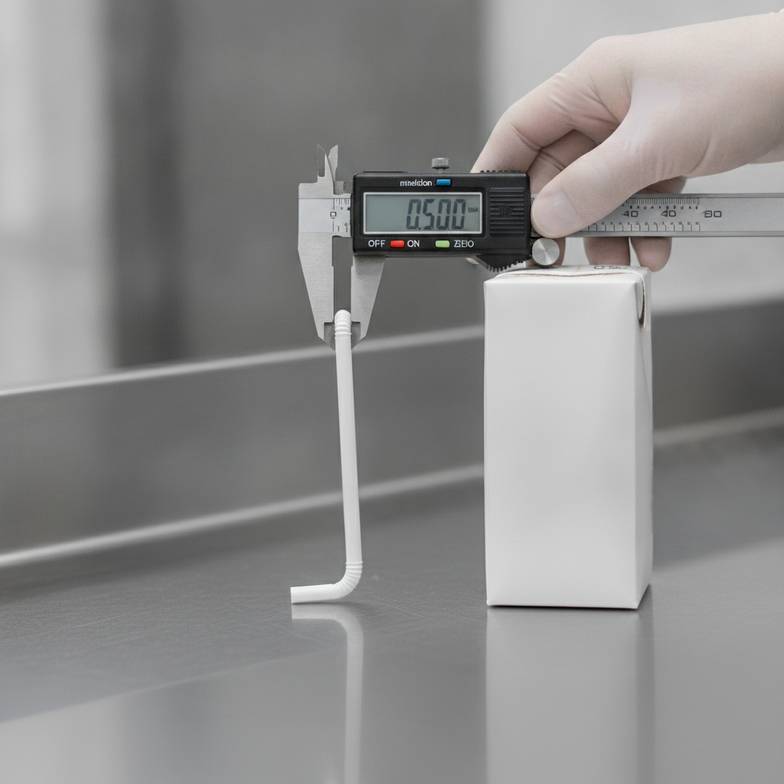
The critical structural dimensions are not just overall length and diameter. For a perfect fit, you must specify the U-bend position for attached straws, the extended and retracted lengths for telescopic straws, and the wall thickness, all in relation to your specific beverage carton.
Dive Deeper: The Geometry of a Perfect Fit
In my experience helping customers troubleshoot sourcing issues, problems almost always come from a specification that is incomplete. The buyer focuses on length, but the real issue is how the straw interacts with the carton and the application machinery. Here’s how to build a more robust structural spec.
U-Shaped Straws: The Bend Is Everything
For the classic attached straw, the position of the U-bend is arguably more important than the overall length. If the bend is in the wrong place, two things can go wrong:
- Application Failure: High-speed machines that apply straws to cartons are calibrated with incredible precision. If the bend doesn't align perfectly with the glue applicator and the carton's surface, you’ll get misaligned straws, jams, and a stalled production line.
- Poor Consumer Experience: If the bend is too high or too low, the consumer may struggle to position the straw into the carton's opening, or the straw may not reach the bottom of the box.
When we work with a new client, one of the first things we ask for is a technical drawing of their beverage carton. This allows us to map the straw's dimensions—especially the bend—directly onto the package.
Telescopic Straws: A Two-Part Puzzle
Telescopic straws are a fantastic innovation, but they introduce new variables. Your specification needs to account for both stages:
- Retracted Length: This is the length of the straw when it’s compressed. It must be short enough to fit neatly on the designated area of your carton without overhanging.
- Extended Length: This is the functional length the consumer will use. It must be long enough to comfortably reach the bottom of the carton.
- Friction Fit: The inner and outer tubes need to slide smoothly but hold their position once extended. A fit that's too loose will collapse, while one that's too tight is frustrating to open.
A Quick-Reference Dimension Table
To make this easier, here's a table you can use as a starting point for your conversations with suppliers.
| Dimension | Why It Matters | Questions to Ask Your Supplier |
|---|---|---|
| Overall Length | Must reach the bottom of the carton to access all the liquid. | What is the manufacturing tolerance for the length (e.g., +/- 1mm)? |
| Outer Diameter | Must fit the carton's pre-punched hole without being too loose or too tight. | What is the outer diameter tolerance? Is it compatible with our applicator? |
| U-Bend Position | Must align with the carton for automated application and easy consumer use. | Can you match the bend position precisely to our carton's technical drawing? |
| Telescopic Lengths | Retracted length must fit on the pack; extended length must be functional. | What are the exact retracted and extended lengths and their tolerances? |
| Wall Thickness | Affects rigidity, mouthfeel, and how well it resists getting soggy. | How many paper layers are used? What is the finished wall thickness? |
How Do Materials and Liquid Type Affect Your Specification for Paper Straws for Beverage Cartons?
You sourced a straw that fits the carton perfectly, but customer complaints start rolling in: the straw gets soggy and collapses in just a few minutes. The problem isn't the fit; it's the material science. The wrong paper or glue can completely ruin the drinking experience.
The choice of paper, adhesive, and even ink directly impacts the straw's performance and safety. A proper specification for paper straws for beverage cartons must match these materials to your beverage's specific characteristics—like acidity, temperature, and thickness—to prevent sogginess and ensure food safety compliance.
Dive Deeper: Matching the Straw to the Drink
A straw is not just a tube; it's an engineered composite of paper and adhesive designed to withstand liquid. Thinking that one straw fits all liquids is a common and costly mistake. Here’s what you need to consider.
The Paper Itself: Layers and Weight
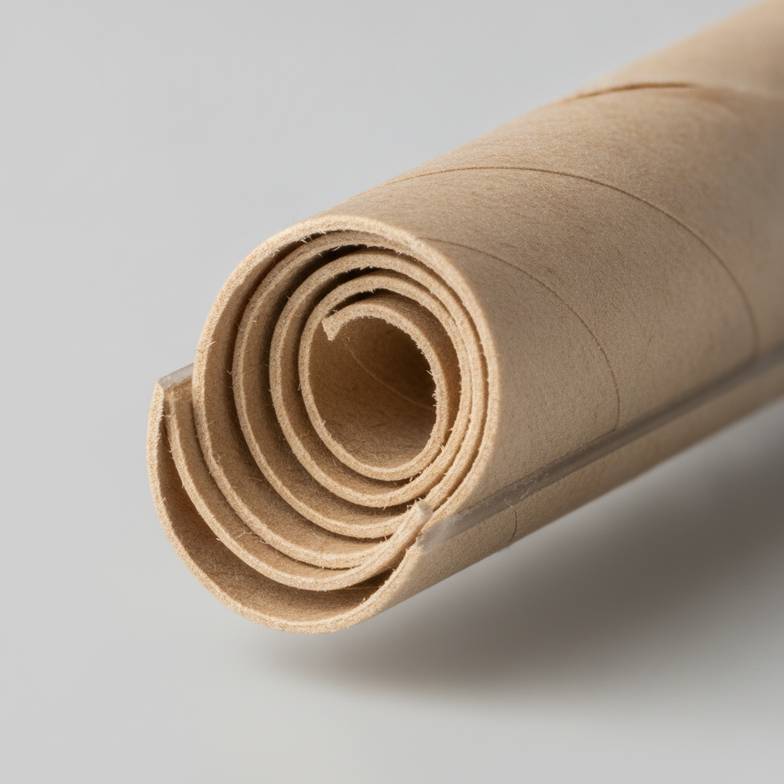
The foundation of any paper straw is, of course, the paper. This is typically food-contact grade kraft paper. But not all kraft paper is created equal. The two key variables are:
- Paper Weight (GSM): Measured in grams per square meter, GSM is an indicator of the paper's density and strength. A higher GSM generally results in a more rigid straw.
- Number of Layers: Most paper straws are made with three or four layers of paper spooled together (known as 3-ply or 4-ply). A 4-ply straw is significantly more rigid and durable than a 3-ply one and is better suited for certain beverages.
The Unsung Hero: Food-Grade Adhesive
The adhesive holding the paper layers together is just as important as the paper itself. It must be a food-safe, water-based glue that is strong enough to prevent the straw from delaminating (unraveling) when it gets wet. The adhesive's performance is critical. We've seen cases where a straw made from good paper fails because the glue couldn't handle the acidity of orange juice or the prolonged contact with milk.
The Liquid Dictates the Structure
Here's a simple breakdown of how your beverage should influence your material specification:
- Water, Iced Tea, Simple Juices: For these low-viscosity, neutral liquids, a standard 3-ply construction is often sufficient.
- Acidic Juices (Orange, Tomato, Lemonade): The acidity can accelerate paper degradation. It's wise to consider a 4-ply straw or one made with paper specifically treated for higher wet strength.
- Milk and Dairy Drinks: Milk can soften paper over time. A robust straw, often 4-ply, is necessary to ensure it holds up for the typical consumption period.
- Thick Smoothies and Milkshakes: These require the most heavy-duty construction. A 4-ply straw made with higher-GSM paper is essential to provide the rigidity needed to drink a thick liquid without the straw collapsing.
Always tell your supplier exactly what beverage the straw will be used for. A good partner will use that information to recommend the right material combination.
Why Is Individual Wrapping a Critical Part of the Specification?
You've finally perfected the straw itself—the dimensions are right, the materials are robust. But during the first production run, your line keeps stopping. It turns out the individually wrapped straws are jamming the application machine. The straw is fine, but the wrapping is causing thousands of dollars in downtime.
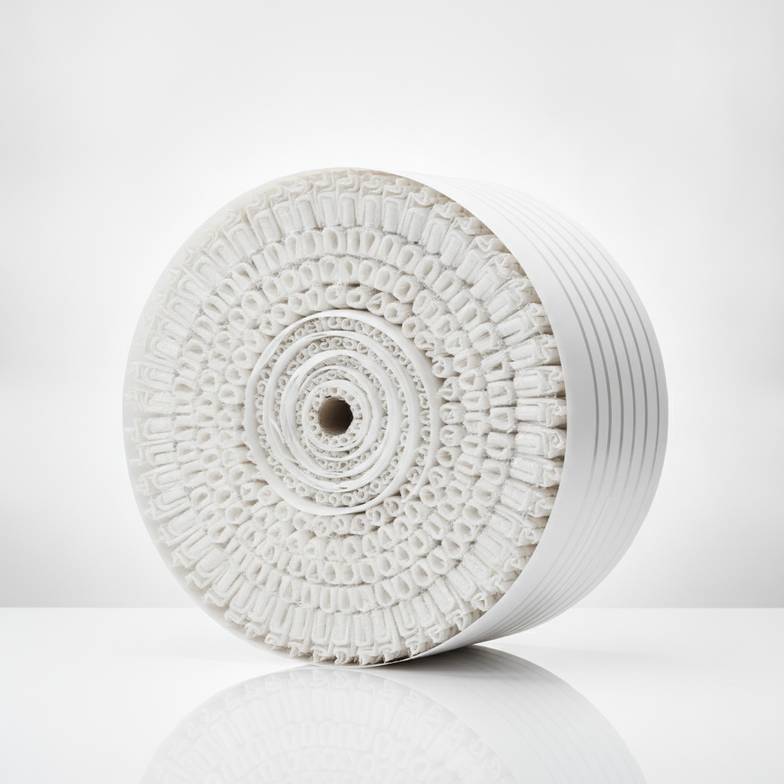
The individual wrapper is not just for hygiene; its material, dimensions, and seal quality are crucial for compatibility with your high-speed carton attachment machinery. An incorrect wrapping specification is a frequent cause of jams, misapplications, and costly production line failures.
Dive Deeper: More Than Just a Wrapper
From our experience, the interaction between the wrapped straw and the customer's machinery is one of the most overlooked areas during procurement. A buyer will send detailed specs for the straw but simply say "individually wrapped in paper." This is not enough information.
Material Matters: Paper vs. BOPP Film
You generally have two choices for wrapping material:
- Paper: This is often the preferred choice for brands wanting to project a fully plastic-free image.
- BOPP (Biaxially-Oriented Polypropylene): This is a thin, clear plastic film. While it's plastic, it can sometimes offer superior performance in certain types of machinery due to its consistency and smooth surface.
The choice depends on your brand's sustainability goals, market regulations, and—most importantly—what your machinery is designed to handle. Some machines work better with the grip of paper, while others need the slickness of BOPP.
Dimensions, Seals, and Perforations
The machine that glues the straw to the carton handles the wrapped straw, not the bare straw. Therefore, your spec sheet must include:
- Wrapper Dimensions: The length and width of the wrapping must be consistent and match the grippers on your machine.
- Seal Quality: Whether heat-sealed or glue-sealed, the bond must be strong enough to protect the straw but easy enough for a consumer to tear open.
- Tear Perforation: The location and quality of the tear line need to be consistent for a clean, easy opening.
The Machine-Wrapper Handshake
A common mistake we help clients solve is overlooking the machine-wrapper interaction. The best way to de-risk this is to treat your supplier like a partner.
- Tell them what machine you use. Let them know the make and model of your straw applicator. An experienced supplier may already know the wrapping requirements for that machine.
- Send them samples. The easiest way to guarantee compatibility is to send your supplier a few samples of the wrapped straw you currently use. They can then reverse-engineer the wrapping specification to match it perfectly.
Never assume a "standard" wrapper will work. This small detail can make or break your production efficiency.
How Do You Verify Quality and Compliance for Paper Straws for Beverage Cartons?
Your potential supplier assures you their straws are "high quality," "durable," and "food-safe." But these are just marketing words. How can you be sure? Relying on claims without asking for proof is a major risk for your brand, your legal compliance, and your customers' safety.
To truly verify the quality of paper straws for beverage cartons, you must shift from accepting claims to demanding evidence. This means requesting and reviewing specific food-contact compliance documents for your target market, asking for internal test data on liquid resistance, and testing physical samples on your own production line.

Dive Deeper: A Checklist for Trust and Verification
A professional buyer’s job is to manage risk. When it comes to sourcing, that means turning every supplier claim into a verifiable checklist item. Here’s how you can do it.
Turning "Food-Safe" into a Verifiable Document
"Food-safe" is meaningless without a certificate to back it up. The term refers to materials that are certified as safe for direct or indirect contact with food. The required certification depends on your end market. You should ask your supplier for copies of:
- FDA Compliance: For products sold in the United States.
- LFGB Certification: For products sold in Germany and often accepted across the European Union.
- Other EU Regulations: Such as (EC) 1935/2004, which is the framework for food contact materials in the EU.
Pro Tip: Don't just accept the certificate. Check that it's current, that it's issued by a reputable lab, and that it covers the specific raw materials (paper, glue, ink) being used in the straws you're ordering.
Requesting Specific Performance Data
Instead of asking a vague question like, "Is your straw strong?" ask a technical question that requires a data-based answer. For example: > "Can you provide test data for your straw's structural integrity after 60 minutes of immersion in a water-based liquid at 25°C?"
This question does two things: it signals that you are a serious, professional buyer, and it forces the supplier to provide concrete data rather than an empty promise. You can also ask for data on:
- Bending Force: How much force does it take to kink the straw?
- Compression Resistance: How well does it resist being crushed?
- Chemical Migration Tests: Data showing that no harmful substances from the ink or glue leach into the beverage.
The Ultimate Test: Pilot Runs and Samples
No document or data sheet can replace a real-world test. The ultimate verification step is to get samples and test them in your own environment.
- The Liquid Test: Give the straws to your internal team to test with your actual beverage. Do they hold up for a reasonable amount of time? Is the mouthfeel acceptable?
- The Machine Test: This is the most critical step. Take a batch of samples and run them on your actual production line. This is the only way to confirm 100% that the wrapped straw is compatible with your applicator. It might seem like a hassle, but a one-day test can save you weeks of downtime in the future.
Frequently Asked Questions
What is the most common mistake when specifying paper straws for cartons?
The most common mistake is focusing only on length and diameter while ignoring the U-bend position and the individual wrapping specifications. These two elements are absolutely critical for compatibility with automated application machinery and are the most frequent cause of production line jams.
How many paper layers do I need?
It depends entirely on your beverage. For simple liquids like water or basic juice, a 3-ply straw is often fine. For more acidic drinks, milk, or thick smoothies, a more robust 4-ply construction is highly recommended to prevent sogginess and collapse. Always test samples with your specific product.
Can I get my logo printed on the straw or wrapper?
Yes, most manufacturers, including us at PaperStrawTech, offer custom printing on both the straw and the wrapper. When creating your specification, be sure to include your requirement for food-grade inks and provide your supplier with high-resolution artwork files.
What's the difference between paper and BOPP wrapping?
Paper wrapping is often preferred for its plastic-free perception and can be recycled in some waste streams. BOPP, a thin plastic film, can sometimes offer better performance and speed on certain types of application machinery. The right choice depends on your machine's requirements, your brand's sustainability goals, and local market regulations.
Conclusion
Specifying the right paper straw is not about finding a single "correct" length or diameter; it's a comprehensive risk management process. By thinking of the specification as a complete system—where structure, materials, wrapping, and compliance are all interconnected—you move from being a simple buyer to a professional procurement partner. A detailed specification for your paper straws for beverage cartons is your best insurance policy against costly production problems and your best tool for ensuring a positive experience for your end consumer.
If you're ready to de-risk your sourcing process and ensure perfect compatibility, our team is here to help. We have years of experience aligning all these variables for beverage companies around the world. Contact us to discuss your carton specifications, and we'll help you configure the ideal straw for your product and production line.
Matched Formats for Beverage Cartons
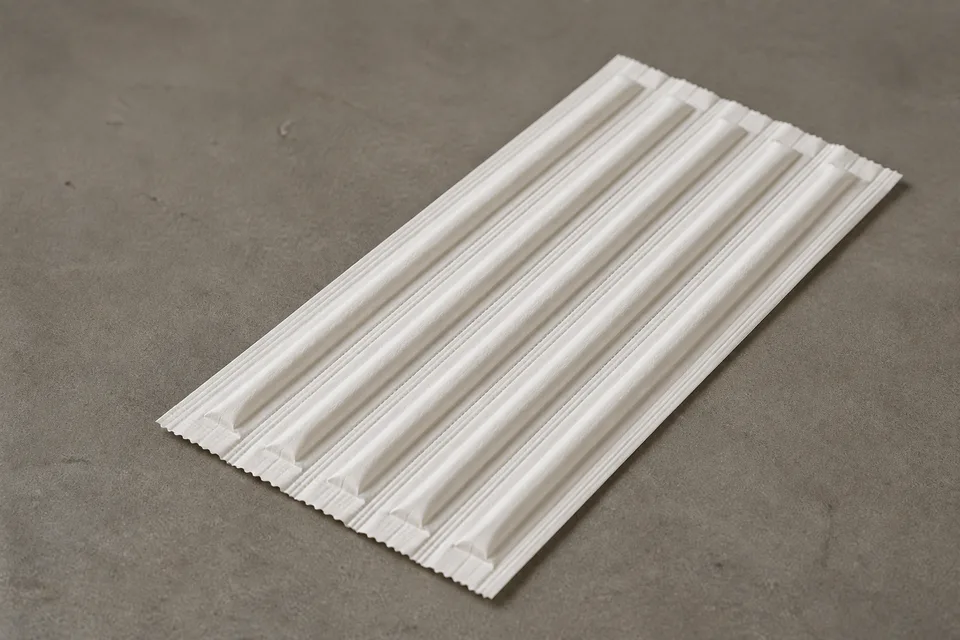
Attached Paper Straws
Connected continuous strip for high-speed automatic carton applicators.
View Product Specs
U-Shaped Paper Straws
Folded 180° format maximizing drinking reach on compact beverage cartons.
View Product Specs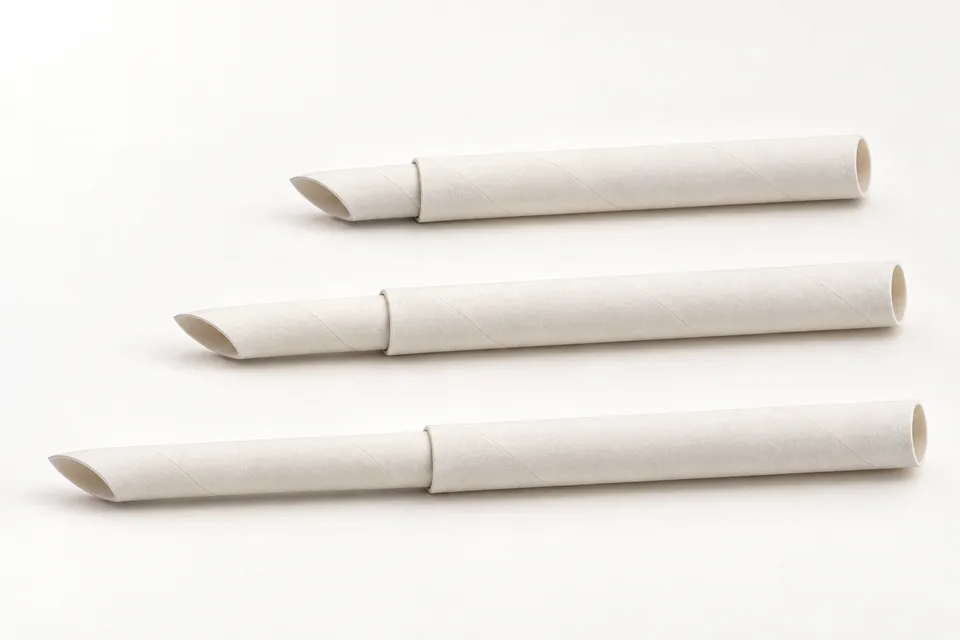
Telescopic Paper Straws
Two-section extendable design offering maximum reach from minimum packed length.
View Product Specs