In This Guide
Having a beverage carton drawing in hand feels like a solid starting point for sourcing paper straws. The problem is, that drawing is just one piece of a much larger puzzle. Relying on it alone can lead to costly mismatches, production line jams, and unhappy customers trying to puncture a carton with a flimsy straw. The solution is to think beyond the drawing and validate a complete system, ensuring your straw works perfectly from the factory to the consumer.
To correctly match a paper straw to a beverage carton drawing, you must treat the drawing as a starting point, not a final specification. The process involves requesting physical carton samples, analyzing unstated variables like material thickness and surface coatings, and conducting functional tests for puncture force, flow rate, and compatibility with your attachment machinery. A successful match is a validated system, not just a dimensional check.
Going from a 2D drawing to a 3D functional product requires a shift in thinking. It’s less about matching numbers on a spec sheet and more about asking the right questions to uncover potential risks. Let's break down the critical details that most carton drawings simply don't tell you.
What Critical Information Do Carton Drawings Usually Miss?
You have the drawing with length, diameter, and bending position clearly marked. It seems straightforward, but this is where I've seen many sourcing projects go wrong. Relying solely on these numbers invites risk, because the most critical variables are often the ones left unstated. What the drawing doesn't show you can bring your production line to a halt.
A beverage carton drawing often omits crucial details like the exact tolerance of the straw hole, the material composition and thickness at the puncture point, and the specific surface coating of the carton, which directly impacts how well the wrapped straw’s adhesive will stick.

Dive Deeper: The Variables Hiding in Plain Sight
From our experience helping clients troubleshoot sourcing issues, the problem rarely lies in the obvious dimensions. It's in the details that require a deeper conversation between you, your carton supplier, and your straw manufacturer.
Beyond the Hole Diameter: Tolerance and Material Variation
A drawing might specify a 4mm hole, but is that exactly 4.00mm on every single carton? Unlikely. There's always a manufacturing tolerance. Is it ±0.1mm or ±0.3mm? This variance is critical. A straw that's too snug can damage the carton or be difficult to insert; one that's too loose can feel insecure.
Furthermore, the carton isn't a simple piece of paper. It's a laminate, often of paperboard, polyethylene, and aluminum foil. The drawing won't tell you:
- Material grammage: The thickness and density of the layers at the puncture point.
- Puncture resistance: A thicker or denser material requires a stronger, potentially sharper straw.
- Layer composition: Does the straw need to pierce an aluminum layer? This requires a different tip design than piercing paperboard alone.
The Unseen Factor: Carton Surface Coatings and Adhesive Compatibility
Your U-shaped or telescopic straw will arrive individually wrapped and glued to the side of the carton. The drawing shows where it goes, but it says nothing about the carton's surface. Many beverage cartons have a glossy, low-energy surface finish (like a polyethylene coating) to repel moisture.
This is a huge challenge for adhesives. The glue used to affix the wrapped straw must be compatible with that specific surface. A mismatch can cause straws to fall off during transit or on store shelves, which looks unprofessional and leads to customer complaints. This is a detail you can only verify by testing the actual straw wrapper adhesive on the actual carton surface.
Is the Bending Position Set in Stone? U-Shaped Straw Considerations
For U-shaped straws, the drawing will show a bend position. But this position must work in harmony with the carton's height and the location of the straw hole. We often receive inquiries where the specified bend would make the straw awkward to use, either sitting too high above the carton or making the user tilt their head unnaturally. The goal is comfortable consumption, and that requires thinking about ergonomics, not just geometry.
Why Is Functional Testing More Important Than Dimensional Matching?
So, you've found a straw that fits the hole and matches the length on your drawing. You’re ready to place a bulk order, right? I would strongly advise against it. I've seen companies invest in millions of straws that fit dimensionally but fail in practice. A straw that fits but doesn't puncture, breaks when bent, or frustrates a child is a complete failure.
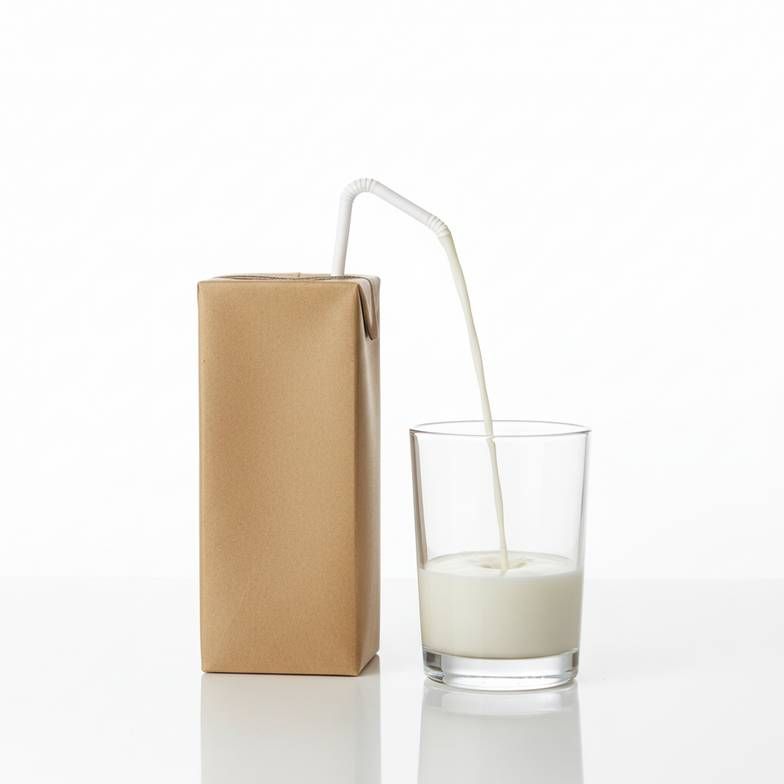
Functional testing is more important than dimensional matching because it validates real-world performance. It confirms that the straw has adequate puncture strength for your specific carton, provides an acceptable flow rate for your beverage, and works reliably with your automated attachment machinery—factors that a drawing cannot guarantee.
Dive Deeper: From a "Fit" to a "Solution"
Moving from a dimensional check to a functional validation is what separates a successful product launch from a logistical nightmare. It's about simulating the entire product lifecycle, from your factory floor to a consumer's hands.
Puncture Force: Can a Child Actually Use It?
This is perhaps the most overlooked functional test. The paper straw needs to be strong and sharp enough to cleanly pierce the carton's entry point without bending or disintegrating. At the same time, it can't be so sharp that it poses a safety risk.
- Too Weak: The straw bends or mushes against the carton. This is a common failure point and a source of major customer frustration.
- Too Strong/Sharp: While it might puncture easily, it could potentially be a safety concern or damage the carton hole, causing leaks.
We always recommend testing straw samples on your actual cartons. Does it take too much force? Does it create a clean hole? This simple, hands-on test reveals more than any spec sheet ever could.
Flow Rate and Viscosity: The Juice vs. Milk Challenge
The beverage itself plays a huge role. The ideal straw diameter for a thin, watery juice is different from what's needed for a thick milkshake or dairy beverage.
| Beverage Type | Viscosity | Typical Straw Diameter | Key Consideration |
|---|---|---|---|
| Juice / Water | Low | 4-5 mm | Easy flow, standard choice. |
| Milk / Iced Tea | Medium | 5-6 mm | Balances flow without being too large. |
| Smoothie / Milkshake | High | 6-8 mm | Prevents clogging and user frustration. |
A drawing won't specify flow rate. You have to define the user experience you want and test straw samples with your actual product to ensure it delivers.
Attachment Machine Compatibility: A Critical Factory Check
For automated production lines, the wrapped paper straw is a machine component. The applicator machine grabs, positions, and glues the straw onto the carton at high speed. The dimensions and rigidity of the wrapped straw must be incredibly consistent to avoid jamming the machine. A slight variation in wrapper size, straw placement within the wrapper, or adhesive application can cause a line stoppage, which costs you time and money. This is another area where physical samples are non-negotiable.
How Can You Create a Reliable Validation Process?
Sourcing a new component can feel like a shot in the dark. You send a drawing to a supplier and hope what comes back is what you need. This passive approach is filled with risk. A much better way is to take control and lead a structured validation process that leaves nothing to chance.
You can create a reliable validation process by treating it as a collaborative project with your straw supplier. The process should include a detailed questionnaire to define all requirements, a physical sample exchange for hands-on testing, and a final sign-off only after simulating the straw's entire lifecycle, from factory attachment to end-user consumption.

Dive Deeper: A Step-by-Step Guide to De-Risking Your Sourcing
Here at PaperStrawTech, we guide our B2B customers through this process every day. It transforms the conversation from "Can you make this?" to "Let's build the right solution together."
Step 1: The Initial Questionnaire
Before you even request a quote, gather the information that your drawing doesn't have. This is the foundation for a productive conversation with a potential supplier.
- Carton Information: What is the exact material composition? What is the surface coating? What is the measured tolerance of the straw hole?
- Product Information: What is the beverage type and viscosity (e.g., milk, juice, smoothie)?
- Consumer Information: Who is the target user (e.g., adult, child)? What is the desired drinking experience?
- Production Information: What type of attachment machine are you using? What is the target production speed?
Step 2: The Physical Sample Exchange
This is the most critical step. A drawing is theoretical; a sample is real.
- Send Cartons to Your Supplier: Don't just send one. Send a dozen or more of the final, production-run cartons. This allows the supplier to see, feel, and test against the real thing. I can't tell you how many problems we've solved just by having the actual carton in our hands.
- Receive Straw Samples from Your Supplier: Based on your questionnaire and the cartons you sent, the supplier should provide a range of samples. This might include different diameters, wall thicknesses, or tip styles.
Step 3: Lifecycle Simulation Testing
With the straw samples and your cartons in hand, your team can now perform a full validation.
- Factory Test: Run the samples on your attachment machine. Do they feed correctly? Do they adhere properly? Do they cause any jams?
- Puncture and Durability Test: Manually puncture the cartons. Does the straw work as intended? Does it bend or break? Let it sit in the beverage for 30 minutes. Does it hold its integrity?
- User Experience Test: Give the cartons and straws to a test group. Is it easy to use? Is the flow rate good? Is the length comfortable? Gather their feedback.
Only after a straw sample passes all three stages of this simulation can you be confident in your decision to match that paper straw to a beverage carton drawing.
Frequently Asked Questions
What's the most common mistake when matching a straw to a carton drawing?
The most common mistake is assuming the drawing is a complete specification. Teams often focus only on length and diameter, ignoring critical factors like carton material thickness, surface adhesive compatibility, and the puncture force required, which leads to functional failures in the real world.
How does the type of beverage (e.g., juice vs. dairy) affect paper straw selection?
The beverage's viscosity is key. Thin liquids like juice or water flow easily through a standard 4-5mm diameter straw. Thicker drinks like milk, smoothies, or dairy products require a wider diameter (5-7mm) to ensure a good flow rate and prevent clogging, improving the consumer experience.
Do I need a different process for U-shaped vs. telescopic straws?
The core validation process is the same, but the focus points differ. For U-shaped straws, you must validate the bend position and rigidity. For telescopic straws, the primary concern is the extension mechanism—it must extend smoothly and lock securely without collapsing during use.
Why is the wrapper's adhesive so important?
The wrapper's adhesive is critical for ensuring the straw stays attached to the carton from the factory to the consumer. A failure here means straws fall off during shipping or on store shelves, resulting in product waste and a poor brand image. The adhesive must be tested on your specific carton's surface material.
How many carton samples should I send to a potential straw supplier?
We recommend sending at least 10-12 production-quality carton samples. This gives the supplier enough units to analyze the material, test different straw options for puncture force, and verify adhesive compatibility for the wrapper, leading to a much more accurate and reliable straw recommendation.
Conclusion
Successfully matching a paper straw to a beverage carton drawing is a process of proactive risk management, not simple data matching. While the drawing provides the initial geometric blueprint, it's the unstated variables—material strength, surface coatings, and functional requirements—that truly determine success. By shifting your focus from dimensional checks to a holistic validation process involving physical samples and lifecycle testing, you can eliminate guesswork and prevent costly failures. This collaborative approach between your team and your straw manufacturer ensures the final product is a reliable, functional system that works for your production line and delights your end customers.
If you're ready to move beyond the drawing and find a truly compatible paper straw solution for your beverage cartons, our team is here to help. Request a review of your carton format and let's work together to configure the perfect straw for your product.
Matched Formats for Beverage Cartons
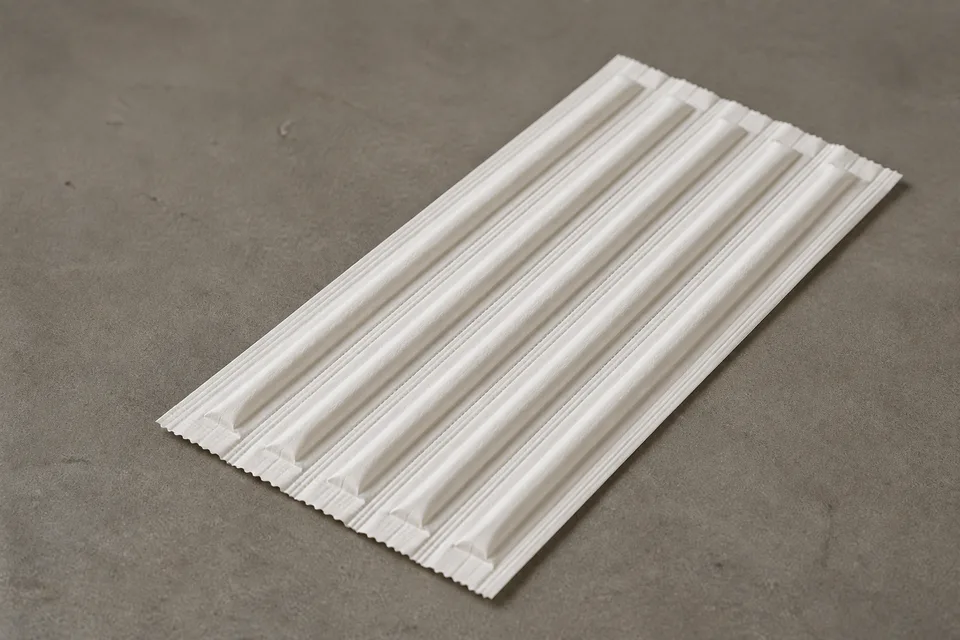
Attached Paper Straws
Connected continuous strip for high-speed automatic carton applicators.
View Product Specs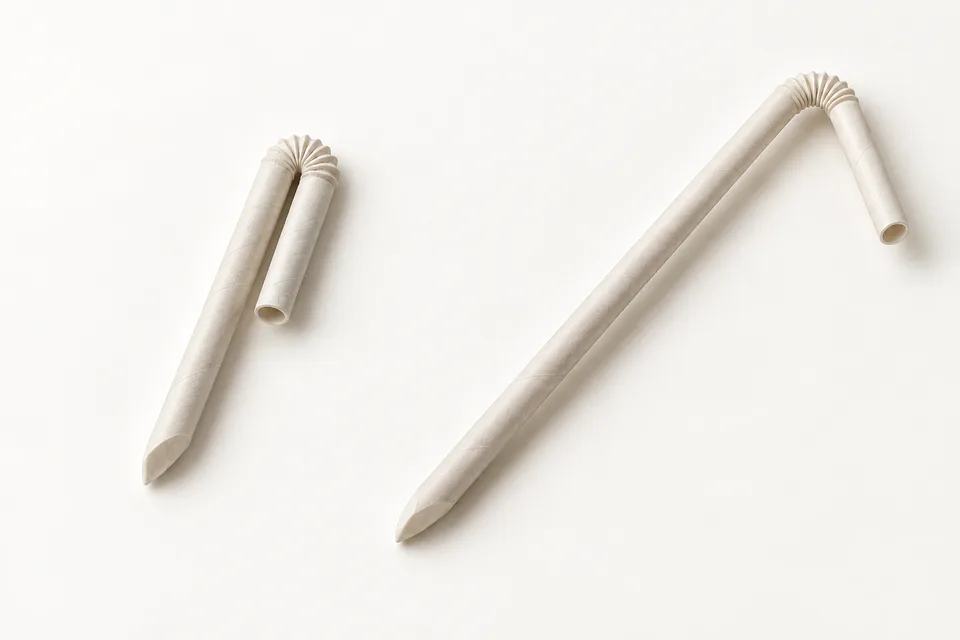
U-Shaped Paper Straws
Folded 180° format maximizing drinking reach on compact beverage cartons.
View Product Specs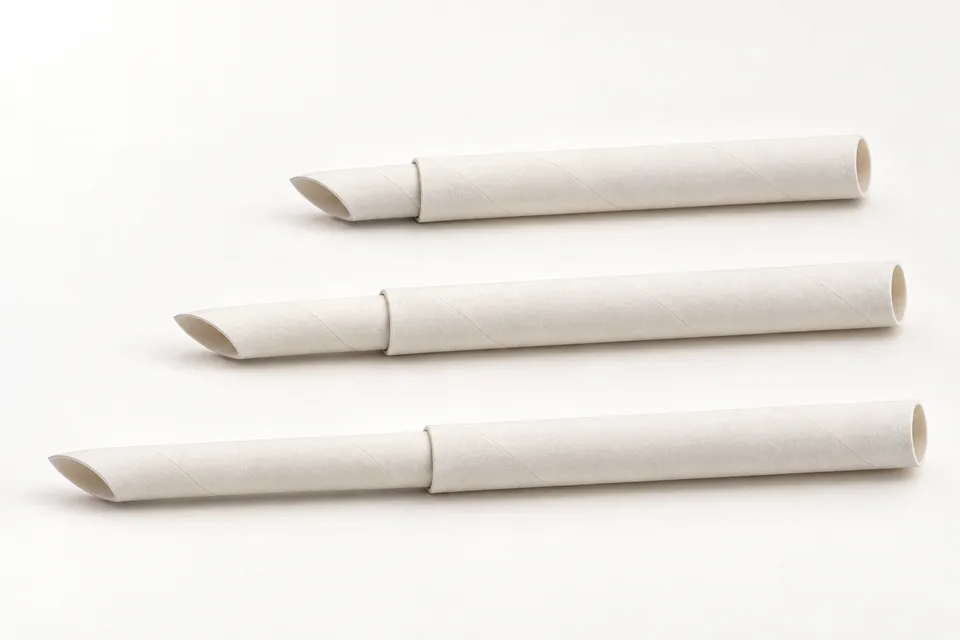
Telescopic Paper Straws
Two-section extendable design offering maximum reach from minimum packed length.
View Product Specs