In This Guide
Sourcing telescopic paper straws for your beverage cartons can feel like a high-stakes decision. A poor choice leads to jammed production lines, shipping losses, and worst of all, frustrated customers. You worry about a telescopic paper straw sample looking perfect on paper but failing in reality—getting soggy, refusing to extend, or breaking before the first sip. A structured approval process is the solution that turns this risk into confidence, ensuring your straw performs flawlessly.
A proper approval process for a telescopic paper straw sample is a structured risk assessment, not a simple checklist. It involves rigorously testing three key areas: the straw's dimensional and functional fit with your specific carton, its material performance in your actual beverage, and its resilience against the stresses of your supply chain and production lines.
That might sound more complex than just checking a spec sheet, but it's the only way to be sure. A spec sheet can't tell you how a straw will feel in a child's hands or if it will survive a long journey in a humid shipping container. Let's dive into the practical tests that reveal how a sample will really perform.
How Do You Test the Functional Fit and Dimensions?
You have the supplier's spec sheet with precise millimeter measurements, but you know that numbers on a page don't guarantee the straw will work with your carton. A straw that's just a fraction too wide can jam your automated application machine, while one that's too loose might fall off in transit. Let's walk through the physical tests that confirm your sample's dimensions are a perfect match.
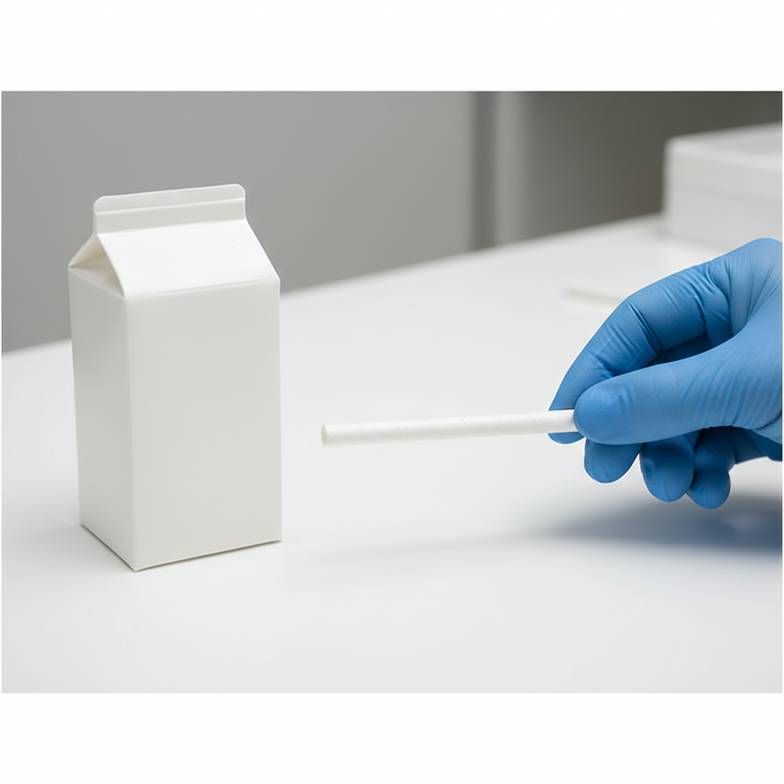
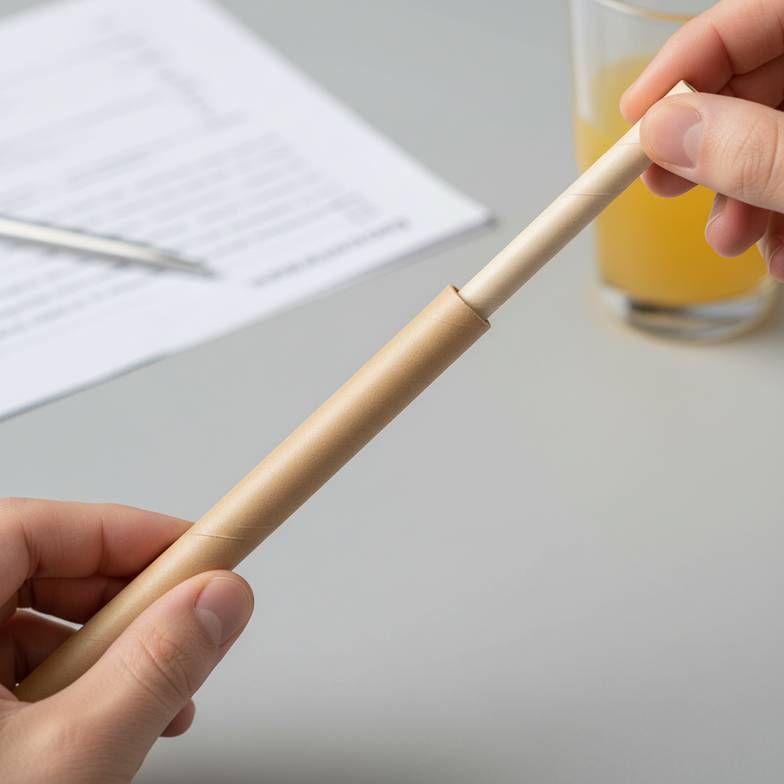
To start, physically test the fit by manually inserting the wrapped straw into your carton's pre-punched hole. Verify that the telescopic mechanism extends smoothly and locks securely without needing excessive force. Finally, measure the fully extended length to ensure it provides comfortable drinking clearance above your carton's height.
Dive Deeper: From Specs to Real-World Function
Based on my experience helping clients validate samples, the biggest mistakes happen when a team trusts the spec sheet without performing these hands-on tests. Here’s how we break it down.
Beyond the Calipers: The Carton Interaction Test
The first thing to do is grab one of your actual cartons. A caliper can confirm the outer diameter, but it can't predict friction or tearing.
- The Insertion Test: Does the wrapped straw fit snugly into the carton's pre-punched hole? It should require minimal force but shouldn't be so loose that it rattles. If it's too tight, you risk tearing the carton substrate during automated application, creating leaks and waste.
- The Wrapper Adhesion Test: Check the glue point holding the wrapped straw to the carton. Try to peel it off. Does it come off cleanly, or does it tear the carton's outer layer? The adhesive needs to be strong enough for the supply chain but not so aggressive that it damages the packaging when the consumer removes it.
- The Angle Test: For U-shaped telescopic straws, ensure the bend doesn't create an awkward drinking angle or put stress on the carton's puncture point.
The Telescopic Mechanism Stress Test
This is where many telescopic straws fail, especially after storage. The telescoping action must be reliable every single time.
- Extend and Retract: Extend and retract the straw 10-15 times. Does it feel smooth? Does the inner section catch or snag on the outer section?
- The Lock-In-Place Test: Once fully extended, does it lock securely? Try to push it back in with gentle pressure. If it collapses easily, it will be frustrating for the end-user. The sections should have enough friction to hold their position.
- The Compression Simulation: This is critical. Take a few samples, leave them in their wrappers, and place a light book on them for 24-48 hours. This simulates the pressure of being stacked in a warehouse. After this period, try to extend them. A common failure point customers report is the straw failing to telescope after being compressed. If it fails this test, it will fail in the real world.
How Should You Evaluate the Material Performance of Your Telescopic Paper Straw Sample?
Your supplier sent you food-contact compliance certificates, which is a great start. But you know that the real enemy of any paper straw is the liquid it sits in. A straw that disintegrates in a child's hands after just ten minutes in a juice box is a brand disaster waiting to happen. The only way to be sure is to test your telescopic paper straw sample in your actual product.
Go beyond the documents. Conduct a submersion test using your actual beverage—both milk and juice—at its typical serving temperature (e.g., refrigerated). Time how long the straw remains rigid and functional. While it's submerged, check for any paper delamination, glue breakdown, or unpleasant taste transfer.

Dive Deeper: Verifying Strength and Safety
Certificates are non-negotiable for proving materials are safe, but they don't prove the final product is fit for purpose. The construction—the paper, glue, and manufacturing process—is what determines performance.
The Sog-Resistance Test: A Practical Guide
This test should be tailored to your specific product and customer expectations.
- Use Your Beverage: Don't just use water. The acidity in juice and the fats in milk interact with paper and adhesives differently. Test the straw in every beverage type it will be paired with.
- Control the Temperature: Test at both refrigerated (around 4°C / 40°F) and room temperature (around 21°C / 70°F) to simulate different consumption scenarios.
- Time It: Set a timer. A reasonable expectation is for the straw to remain firm and functional for at least 30-60 minutes. Check it at 15-minute intervals.
- What to Look For:
- Tip Collapse: Does the tip of the straw become mushy and collapse when you try to drink?
- Body Rigidity: Can you still stir the drink with it after 30 minutes without it bending?
- Delamination: Are the paper layers starting to peel apart? This often indicates an issue with the adhesive.
Verifying Food-Contact Compliance
When you receive documents like FDA or LFGB compliance reports, treat them as the first step, not the last. These certificates confirm that the raw materials (paper, glue, ink) are safe for contact with food. However, it's your responsibility as the brand to verify them.
We always recommend our clients ask for the full report, not just a summary certificate. Check that the report is from a reputable third-party lab, that it's recent, and that it covers the specific materials used in your sample. This diligence connects the supplier's claims to verifiable proof.
The "No-Taste" and "No-Smell" Check
This is a simple but essential test. A straw can be strong and safe but still ruin a drink if it imparts a papery or chemical taste.
- Let the sample sit in a small amount of your beverage for 15-20 minutes.
- Remove the straw and taste the beverage.
- Is there any off-taste or smell? Any hint of paper or glue is a red flag. The best paper straws use specialized food-grade adhesives and high-quality kraft paper to minimize this risk.
How Can You Assess Supply Chain Risks with a Telescopic Paper Straw Sample?
The sample that arrived in a padded envelope looks perfect on your desk. But your supply chain—from the factory to a distribution center to the retailer's shelf—is not nearly as gentle. Straws can arrive brittle and broken, wrappers can peel off in humid containers, and printing can smudge, causing costly waste and delays before a consumer ever sees the product.
Assess the sample's individual wrapper and outer packaging integrity. Perform compression tests to simulate being stacked in a warehouse and friction tests to check for ink rub-off. These simple simulations help you understand how your telescopic paper straw sample will survive the often-brutal journey to your customer.

Dive Deeper: Simulating the "In-Between" Journey
When we work with new clients on a custom straw, we spend a lot of time discussing their logistics. A straw that fails in transit is just as useless as one that gets soggy. Here are the key risks to test for.
Simulating Shipping and Storage
Your straws will spend weeks or months stacked in boxes, potentially in uncontrolled climates.
- The Brittleness Test: Gently bend a few samples. Do they have some flex, or do they snap immediately? Overly brittle straws can break during automated application or even just from the vibration during shipping. This is often caused by the wrong type of paper or an improper curing process.
- The Humidity Test: If you operate in a humid climate, this is a must. Place a few wrapped samples in a sealed container with a damp paper towel (not touching the samples) for a day. Afterwards, check the wrapper. Is the seal still intact? Does the paper feel damp or weakened? Wrapper glue failure is a common issue.
- The Ink Durability Test: Vigorously rub the printed wrapper with your thumb. Then, do it again with a slightly damp cloth. The ink should not smudge or transfer. Smudged ink looks unprofessional and can even cause consumers to question the product's safety.
A Comparison Table for Practical Testing
| Test Category | Test to Perform | Success Criteria | Common Failure & Potential Cause |
|---|---|---|---|
| Functional Fit | Insertion & Fit Test | Snug fit, no tearing of carton | Too tight/loose; incorrect diameter specification. |
| Functional Fit | Telescopic Stress Test | Smooth extension, secure lock, works after compression | Fails to extend/lock; improper friction between layers. |
| Material Perf. | Sog-Resistance Test | Stays rigid for 30-60 mins in your beverage | Tip collapses, body bends; insufficient paper layers or wrong glue. |
| Material Perf. | Taste/Smell Test | No papery or chemical taste transfer | Off-taste is present; low-quality paper or non-specialized adhesive. |
| Supply Chain | Brittleness Test | Straw flexes without snapping | Snaps easily; incorrect paper material or curing process. |
| Supply Chain | Ink Rub Test | Ink does not smudge or transfer when rubbed | Ink smudges; poor quality ink or printing method. |
Frequently Asked Questions
What's the most common failure point for telescopic paper straws?
The two most common failures I see are the telescopic mechanism failing to extend properly after being compressed in its wrapper, and the tip of the straw becoming too soft, too quickly, especially in acidic drinks like fruit juice. Both are solvable with the right materials and design.
How many samples should I test?
Never base your decision on a single "golden sample." A reliable manufacturer should have no problem providing at least 10-20 samples for a serious evaluation. Testing a batch allows you to check for consistency in dimensions, function, and material quality, which is a better indicator of mass production quality.
Can I use the same straw for both milk and acidic juice?
Not always. The food-grade adhesive and paper formulation that performs perfectly in neutral pH milk might degrade much faster in acidic orange or apple juice. This is why it is absolutely critical to test your sample in all beverage types you plan to use it with.
What do I do if a telescopic paper straw sample fails a test?
Document the failure clearly with photos or even a short video. Share this specific, actionable feedback with your supplier. A good manufacturing partner will see this not as a complaint, but as valuable technical data to help them adjust the paper layers, adhesive formula, or dimensions to meet your needs. It should be the start of a productive conversation.
Conclusion
Ultimately, approving a telescopic paper straw sample is a critical process of risk management. Moving beyond a simple spec sheet and embracing a framework of practical, hands-on testing is the only way to protect your brand and ensure a good consumer experience. By simulating the real-world journey of the straw—from its interaction with your carton and beverage to the stresses of the supply chain—you can make a confident, data-driven decision. This structured approach turns a potential liability into a reliable, high-performing component of your product.
Ready to move from uncertainty to confidence with your next straw project? Contact us today to discuss your carton specifications or to request a telescopic paper straw sample tailored for your unique product. Let's work together to build a solution that performs.
Matched Formats for Beverage Cartons
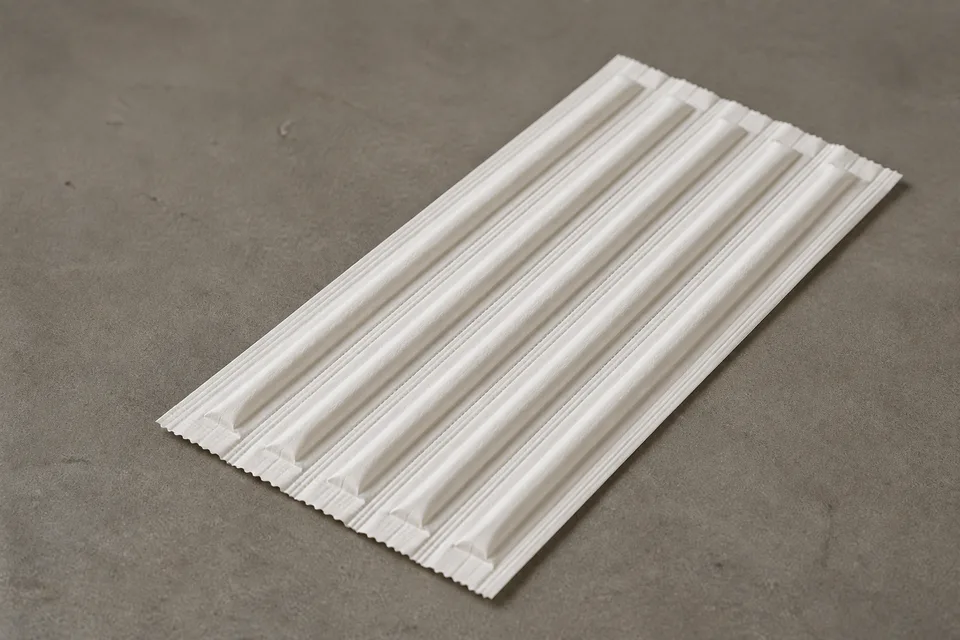
Attached Paper Straws
Connected continuous strip for high-speed automatic carton applicators.
View Product Specs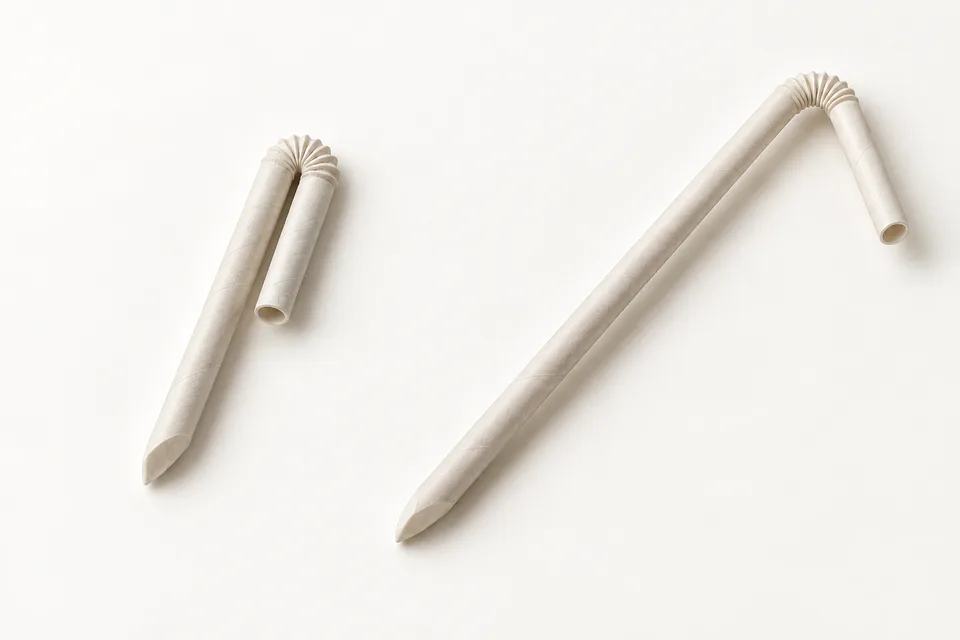
U-Shaped Paper Straws
Folded 180° format maximizing drinking reach on compact beverage cartons.
View Product Specs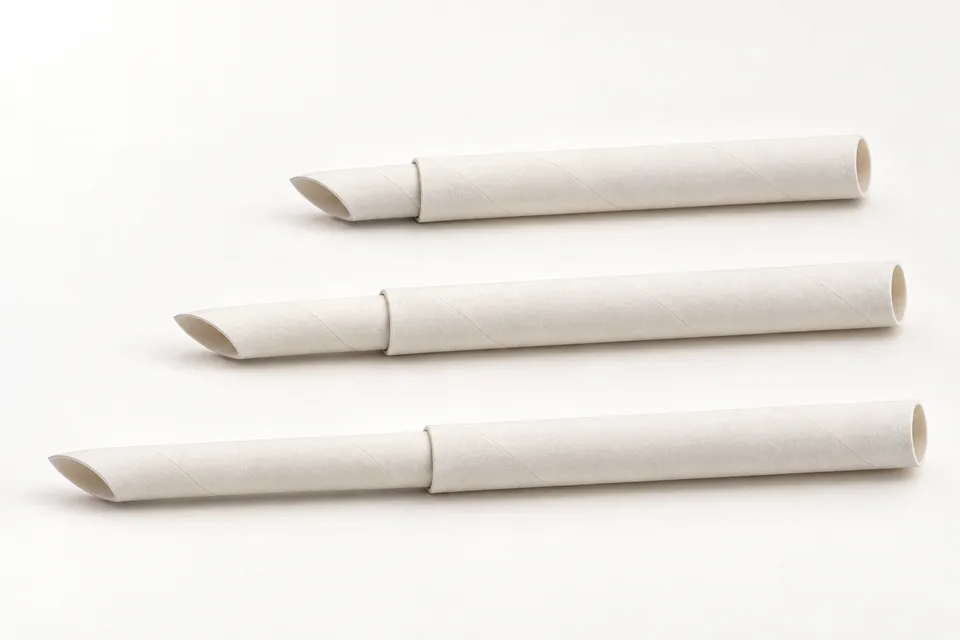
Telescopic Paper Straws
Two-section extendable design offering maximum reach from minimum packed length.
View Product Specs