In This Guide
Finding a supplier for your beverage packaging is one thing, but are you sure the straw will actually work? You might be worried about fit, function, and the complaints that follow a bad choice. A poorly selected telescopic straw can jam, tear, or turn to mush, creating a frustrating experience for your customers and a supply chain headache for you. The solution isn't just in the spec sheet; it's in a smarter process for design, fit, and sample approval.
Choosing the right telescopic paper straws for beverage cartons involves a systematic process. You must match the straw's retracted and extended lengths, diameter, and structural rigidity to your specific carton dimensions, hole position, and the beverage's viscosity. The most critical step is a thorough sample testing protocol to verify this functional fit in a real-world scenario before committing to a bulk order.
Simply comparing a spec sheet to your carton's blueprint isn't enough. The real test comes when a physical sample meets your actual product. Let's dive into how to manage this process effectively to de-risk your procurement and ensure a perfect match.
Why Is "Fit" for Telescopic Paper Straws More Than Just Dimensions?
You’ve got the technical drawings with the straw's length and diameter. It seems straightforward, right? But if those numbers don't account for the unique geometry of your carton and the properties of your drink, the straw is functionally useless. It's time to start thinking about fit as a complete, interacting system.
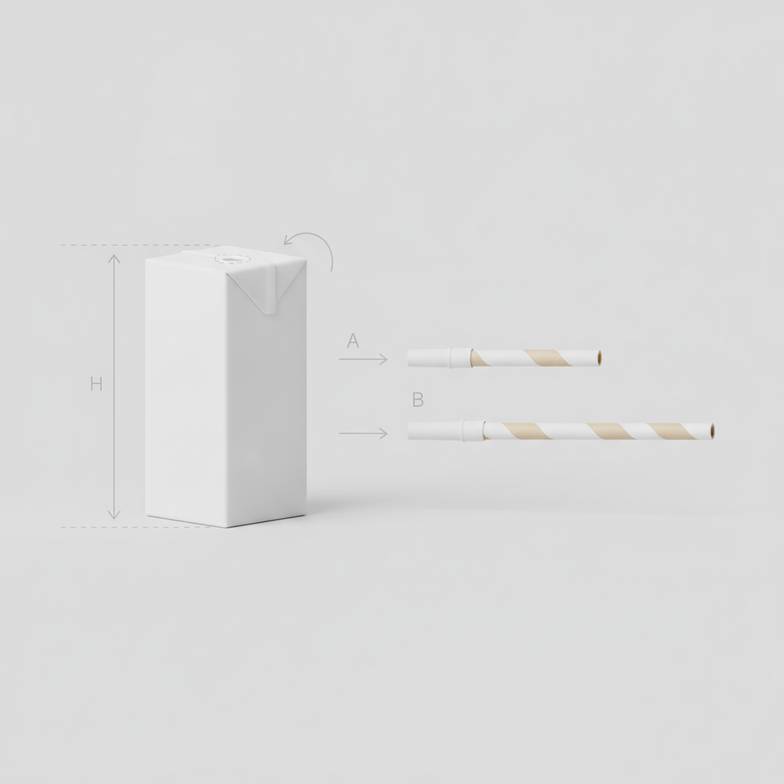
"Fit" is not a single number but a relationship. It’s how the straw's retracted length, extended length, and diameter work together with the carton's height, the exact position of the punch-hole, and even the thickness of the carton material itself. It's a dynamic system, not a list of static measurements.
Dive Deeper: The System of Straw, Carton, and Beverage
A common question we receive from procurement managers is, "What's the standard length?" The truth is, there isn't one. The "right" length and diameter are entirely dependent on the container they're designed for. I've seen many projects get delayed because a buyer focused on one spec while ignoring how it interacts with the rest of the system.
Here’s how to think about it systematically:
The Critical Relationships to Verify
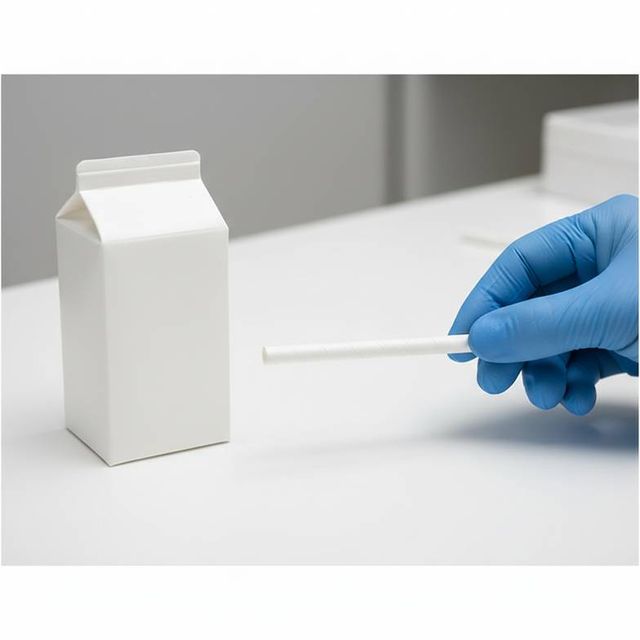
- Retracted Length vs. Carton Height: The collapsed straw needs to fit neatly within the area designated on the side of the carton, often under a plastic film. It must be short enough not to get bent or crushed during packaging and transport, but long enough for easy handling.
- Extended Length vs. Carton Depth: Once extended, the straw must be long enough to reach the bottom corners of the carton so the consumer can drink all the liquid. However, if it's too long, it can be awkward to use and may even poke the bottom of the carton too aggressively.
- Diameter vs. Hole Size & Viscosity: The outer diameter of the straw's pointed end must be compatible with the pre-cut hole on the carton. It needs to pierce the foil seal cleanly without requiring too much force. Crucially, the inner diameter dictates the flow rate. A thin juice needs a different diameter than a thick, pulpy smoothie or dairy drink for a good sipping experience.
Overlooked Factors in Carton Design
Beyond the straw itself, your carton has features that directly impact performance. During your evaluation, don't forget to consider:
- Hole Placement and Foil Material: Is the punch-hole centered or off to one side? What material is the seal made of? A tougher foil requires a stronger, more rigid straw tip to ensure a clean puncture every time.
- Carton Material and Rigidity: A flimsy carton might buckle if the user has to push too hard to insert the straw. The overall package rigidity contributes to the perceived quality of the user experience.
- Wrapper and Attachment: How is the straw's wrapper attached to the carton? The adhesive and wrapper material must be strong enough to survive the supply chain but easy enough for a child to remove without tearing the straw itself.
A few years ago, a client approved a sample based on length and diameter alone. The straws fit the carton perfectly on paper. But they were for a new yogurt drink, and the straw's inner diameter was too narrow. Customers complained it was like "trying to drink a milkshake through a coffee stirrer." We had to help them re-specify a wider straw, underscoring why you must test with your actual beverage.
How Do You Design the Optimal Telescopic Paper Straw for Your Beverage?
You know you need a telescopic straw, but the design options seem overwhelming. Choosing a generic, off-the-shelf design is risky because it might fail when it meets your specific beverage, leading to poor performance and unhappy customers. The key is to match the straw's physical structure to your product and consumer expectations.
Optimal design is about trade-offs. It means selecting the right number of paper layers for rigidity, ensuring the telescopic mechanism extends smoothly without jamming, and considering the final "mouthfeel" for the person drinking from it. It’s a balance of engineering and user experience.
Dive Deeper: Engineering the Straw for Your Specific Use Case
The "best" telescopic straw doesn't exist. The optimal straw, however, is one that's purpose-built for its application. Here's how we guide our partners through the design process.
Matching Straw Structure to Beverage Type
The viscosity of your liquid is one of the most important factors. A thicker liquid requires a more robust straw to prevent it from collapsing under suction and a wider diameter to ensure easy flow.
Here’s a simple breakdown for discussion with your supplier:
| Beverage Type | Recommended Inner Diameter | Paper Layers / Rigidity | Key Design Consideration |
|---|---|---|---|
| Thin Juice / Water | Standard (e.g., 3.8-4.5mm) | Standard (e.g., 3-ply) | Ensure smooth piercing and effortless sipping. |
| Milk / Dairy Drinks | Wider (e.g., 4.5-5.5mm) | Higher (e.g., 4-ply) | Prevent collapsing under suction; ensure good flow rate. |
| Smoothies / Thick Shakes | Widest (e.g., 5.5mm+) | Highest (e.g., 4-5 ply) | Rigidity is paramount; must not soften or collapse. |
The Mechanics of the Telescopic Extension
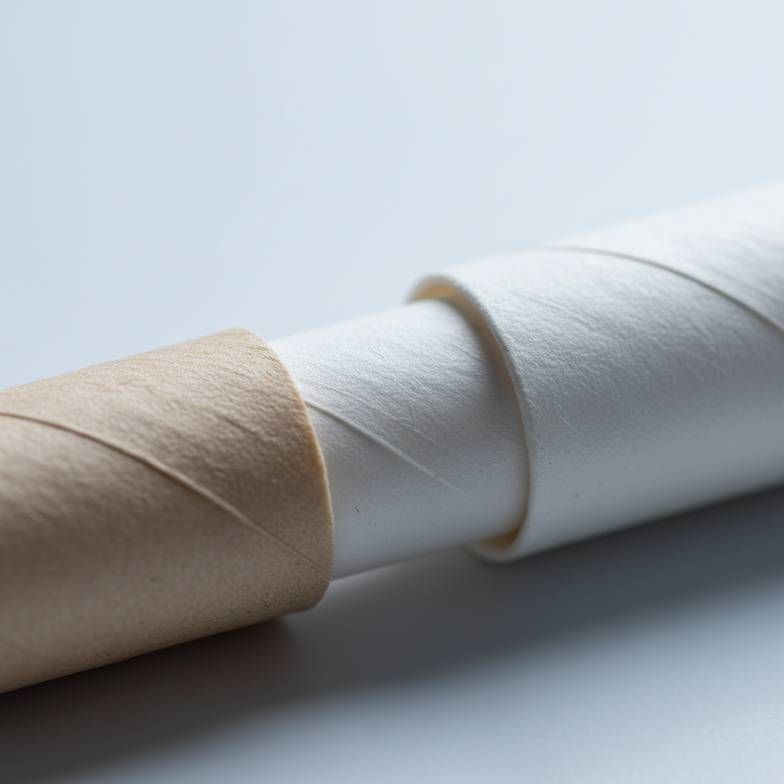
The magic of a telescopic straw is in the friction fit between the inner and outer tubes. This is a critical point of potential failure that must be tested.
- Smoothness: The straw should extend with a gentle, consistent pull. If it's too tight, it can be difficult to open or may even tear. This is known as jamming.
- Security: Once extended, the sections should "lock" with enough friction to prevent the straw from collapsing back into itself during use. If the fit is too loose, the sections can separate entirely.
These mechanical properties are determined by tiny variations in the diameter of the inner and outer tubes during manufacturing. This is why you can't verify performance from a spec sheet—you must physically test multiple samples.
Paper, Adhesives, and End-User Experience
Finally, the materials themselves matter. Always confirm with your supplier that the paper, food-contact adhesives, and any printing inks used are compliant with your target market's regulations (e.g., FDA, LFGB).
Beyond compliance, consider the "mouthfeel." The surface of the straw should be smooth. High-quality paper and proper manufacturing techniques prevent the paper from flaking or feeling rough against the lips, ensuring a pleasant consumer experience from the first sip to the last.
What Is the Right Way to Approve a Sample of Telescopic Paper Straws for Beverage Cartons?
So, your supplier has sent a batch of samples. Great! But just looking at them and measuring them with calipers isn't nearly enough to prevent a massive headache with your first production run. A proper approval process requires a rigorous, real-world testing protocol.
The right way to approve a sample is to simulate the entire user journey, from shelf to recycling bin. This means testing the wrapper, the carton piercing action, the telescopic extension, the sipping experience with your actual beverage, and the straw's durability over a realistic time frame.
Dive Deeper: Your Step-by-Step Sample Testing Protocol
Treat sample approval as the final, most important stage of risk management. A few hours of structured testing now can save you from months of customer complaints and costly rework later. Buyers often overlook this, but it's where you confirm that the design on paper works in practice.
Here is a checklist you can adapt for your own internal testing. I recommend testing at least 10-20 samples to check for consistency.
A Practical Testing Checklist
- Unwrapping Test:
- Action: Remove the straw from its outer wrapper attached to the carton.
- Pass Criteria: Does the wrapper tear cleanly along the intended perforation? Does it come off easily without damaging the straw body?
- Piercing Test:
- Action: Use the straw to puncture the foil seal on the carton.
- Pass Criteria: Does the pointed end pierce the seal cleanly on the first try? Does the tip blunt, bend, or get soggy upon entry? Does it require an unreasonable amount of force?
- Extension Test:
- Action: Gently pull the straw to extend it to its full length.
- Pass Criteria: Does it extend smoothly without jamming? Do the sections lock securely and not feel loose? Does it separate into two pieces?
- Fit & Length Test:
- Action: Insert the fully extended straw into the carton.
- Pass Criteria: Does the tip comfortably reach the bottom and corners? Is it too short, leaving liquid behind? Is it awkwardly long?
- Sip Test (The Ultimate Test):
- Action: Use the straw to drink your actual beverage.
- Pass Criteria: Is the flow rate comfortable? Does the straw feel sturdy in your mouth? Can you detect any paper taste or residue?
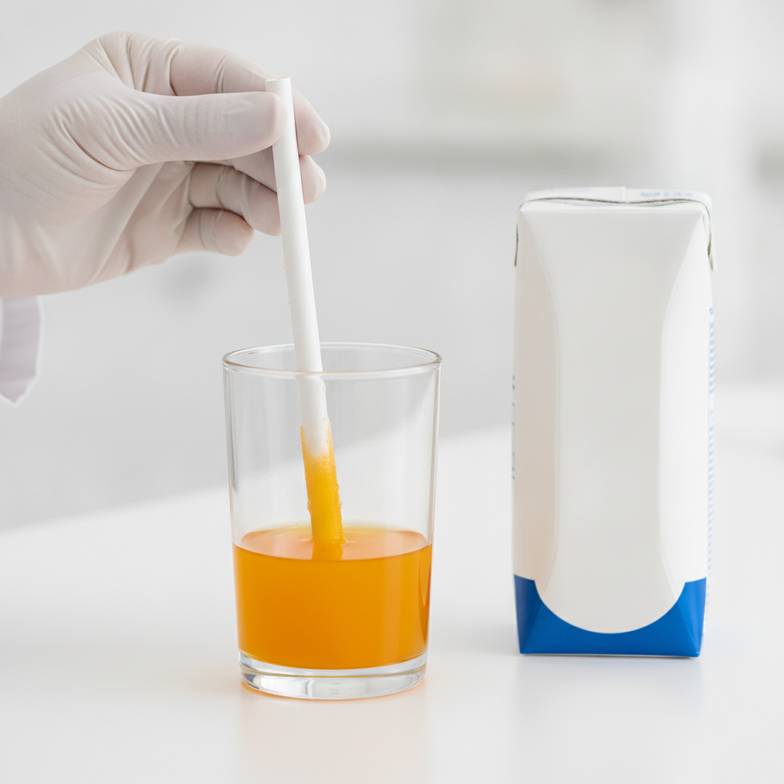
- Durability (Soak) Test:
- Action: Leave the straw submerged in your beverage for a typical consumption time (e.g., 30 or 60 minutes).
- Pass Criteria: After soaking, is the straw still rigid? Does it feel soggy? Has the paper started to delaminate or unwind? Does it collapse when you try to sip from it again?
A classic mistake is performing the soak test in a cup of water. Water doesn't have the same pH, sugar content, or acidity as juice or milk, all of which can affect the paper and adhesives differently. Always test with your actual product.
Document and Communicate Your Findings
Create a simple report for each sample batch. Use your checklist to mark "Pass" or "Fail" for each step. If a sample fails, document why. For example:
- "Fail - Extension Test: 4 out of 10 samples jammed and were difficult to extend."
- "Fail - Durability Test: Straw became too soft to use after 20 minutes in orange juice."
This specific, actionable feedback is exactly what a good manufacturing partner needs to fine-tune the production process and deliver a product that meets your requirements.
Frequently Asked Questions
What's the typical MOQ for custom telescopic paper straws?
The Minimum Order Quantity (MOQ) varies based on the level of customization. For a fully custom length, diameter, and printed wrapper, MOQs are typically set to align with a full production run. It's best to discuss your estimated annual volume with your supplier, as this will influence pricing and production options.
How long should a telescopic paper straw last in a drink?
A well-made telescopic paper straw should remain functional and structurally sound for at least 30 to 60 minutes in most cold beverages. However, this performance can be affected by the liquid's temperature and acidity. This is why we strongly recommend conducting a soak test with your specific product to verify durability.
Can the printing and individual wrapping be customized?
Yes, absolutely. The wrapper is a key part of the product's presentation and function. You can customize the printing with your brand logo, instructions, or other graphics. The wrapper material and perforation can also be adjusted to ensure it opens cleanly without damaging the straw.
What information do I need to provide to get an accurate quote?
To get a precise quote and a relevant sample, you should provide your supplier with: your beverage carton's dimensions (height, width, depth), the exact location of the punch-hole, the type of beverage (e.g., juice, milk), your desired straw specifications (if known), and your estimated order quantity.
Conclusion
Choosing the right telescopic paper straws for beverage cartons is far more than a simple procurement task; it's a critical design and risk-management process. Success depends on viewing the straw, carton, and beverage as an interconnected system. The key is to move beyond the spec sheet by designing the straw for your specific beverage and implementing a hands-on sample testing protocol that simulates the entire customer experience. This rigorous approach ensures you get a straw that not only fits the box but also delivers the quality and performance your customers deserve.
If you're ready to find a functional, reliable telescopic straw solution, we're here to help. Our experience is in both finished straws and the machines that make them, giving us a practical understanding of what works.
Submit your carton specifications today, and let's work together to configure and sample a telescopic paper straw that is perfectly matched to your product.
Matched Formats for Beverage Cartons
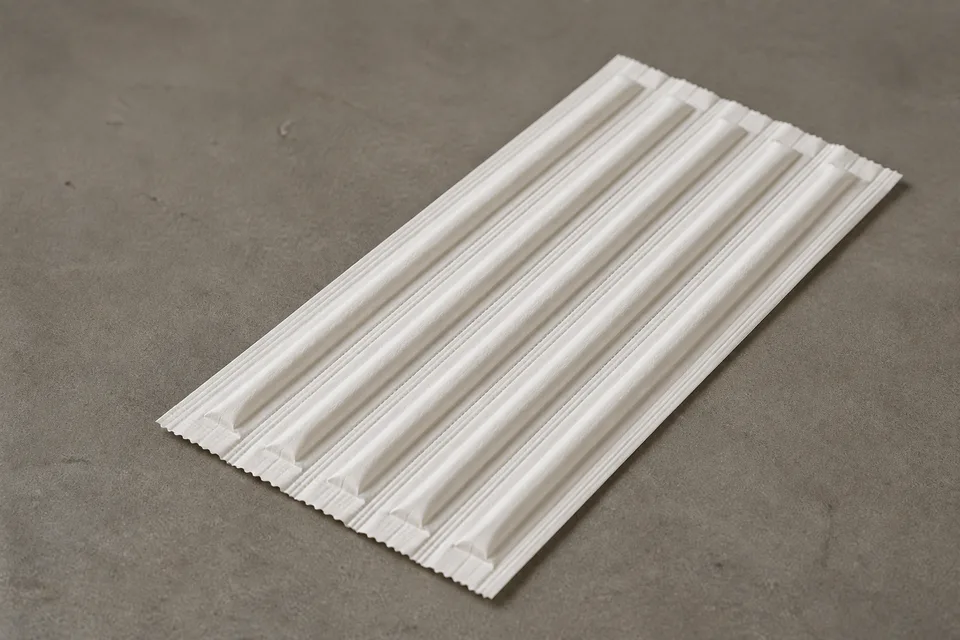
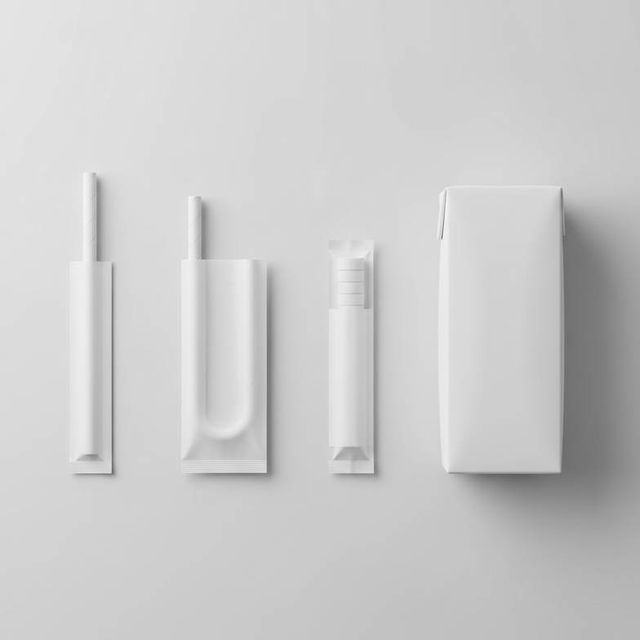
Attached Paper Straws
Connected continuous strip for high-speed automatic carton applicators.
View Product Specs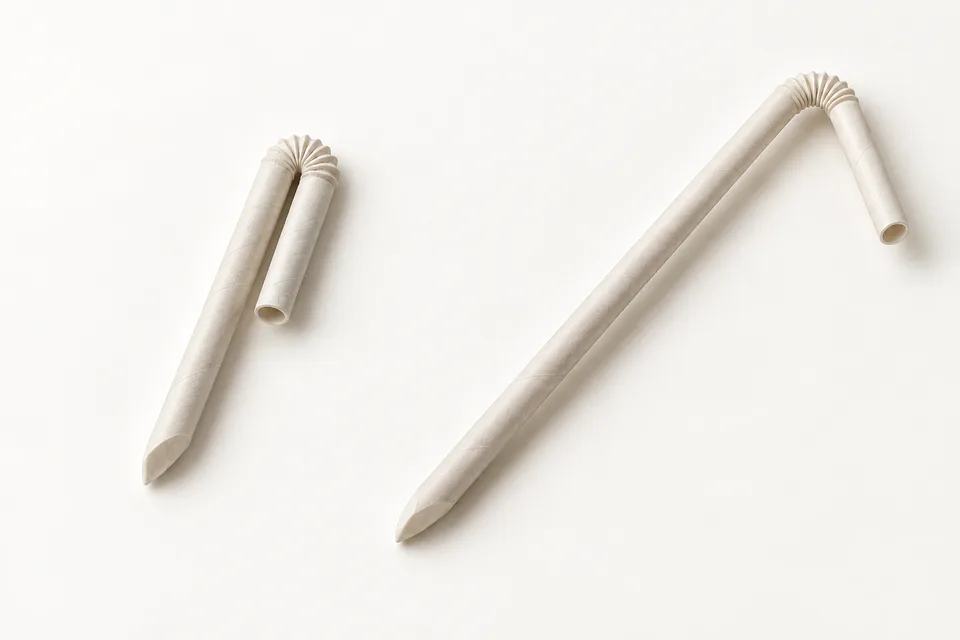
U-Shaped Paper Straws
Folded 180° format maximizing drinking reach on compact beverage cartons.
View Product Specs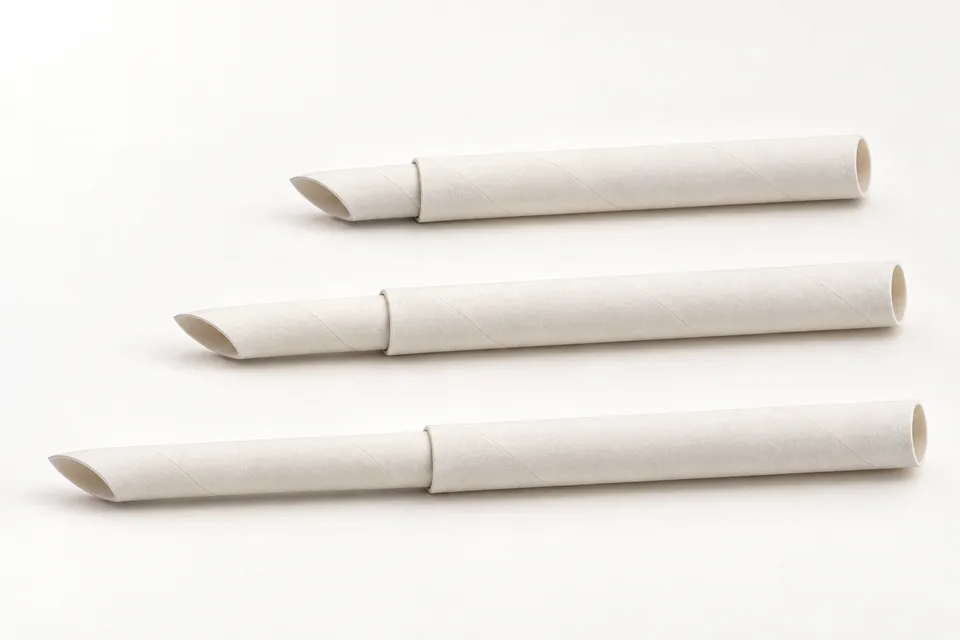
Telescopic Paper Straws
Two-section extendable design offering maximum reach from minimum packed length.
View Product Specs